Malta quickly attracts drone pilots: clear light, cliffs, historic ports, turquoise water, and spectacular viewpoints. But it is also a destination where you must not apply the habits of another European country without checking local rules. The general framework remains the one explained in our guide to drone laws in Europe, but Transport Malta adds very specific practical requirements, notably mandatory insurance and a flight authorization to be requested for every flight.
| Key point | Things to remember for Malta |
| General framework | Malta applies the EASA foundation, with additional local requirements published by Transport Malta. |
| Height and basic rules | In the open category, you must generally stay within line of sight, under 120m, away from crowds, and in an authorized zone. |
| Registration | Operator registration remains the basis within the EASA framework, with limited exemptions for certain very light drones without cameras. |
| Training | Proof of A1/A3 training is required for relevant flights, especially those over 250g. |
| Insurance | Transport Malta indicates that valid third-party liability insurance is required for all operators, regardless of the drone’s weight. |
| Flight authorization | The TM-CAD portal indicates that all drone flights in Malta must be subject to a flight request on tmcad.idronect.com. |
| Sensitive zones | Airports, heliports, nature reserves, embassies, hospitals, power plants, and certain sectors of Valletta require increased vigilance. |
Quick summary of drone rules in Malta
For leisure use, travel, or content creation, Malta is not the easiest country in Europe to improvise in at sunrise. You stay within the usual EASA logic in the open category if you fly within line of sight, under 120m, away from crowds, and without putting others in danger. If you want to brush up on the basics, our guide on drones without a license helps explain what you can do in practice with the most accessible drones.
- visual line of sight (VLOS);
- usual maximum height of 120m in the open category;
- no flying over crowds or assemblies of people;
- compliance with geographical zones published by the Maltese authority;
- flight authorization request via the local portal before operation;
- respect for privacy as soon as a camera films identifiable people or properties.
What truly distinguishes Malta from other European destinations is the local layer published by the Transport Malta Civil Aviation Directorate (TM-CAD). Publicly indexed official extracts indicate that the entire Maltese territory is considered controlled airspace, and that drone flights must be authorized via the local platform. In other words, even if your flight seems simple on paper, the administrative check must not be skipped.
Registration, training, and insurance: steps to plan for
As elsewhere in EASA, the basic logic first concerns operator registration, not each device, with some exceptions. The Transport Malta registration page, included in public extracts, mentions the classic exemption for certain drones under 250g not equipped with a recording device and for certain toys complying with the toy directive. As soon as there is a camera, the exemption often disappears in practice. If you need a simple reminder, also check our article on mandatory drone registration in Europe.
Regarding training, Transport Malta also specifies that drone pilots flying in A1/A3 with a drone over 250g must obtain the corresponding online proof of training. Again, we stay within the classic European mechanics: if your use remains light and tourist-oriented, you don’t necessarily leave the open category, but you must still have the right documents depending on the drone used.
The really important point in Malta concerns insurance. Official information indexed by Transport Malta indicates that all drone operators in Malta must have valid third-party liability insurance, regardless of the drone’s weight and whether the flight is recreational or commercial. Another Maltese regulatory summary even specifies that this local requirement stems from the fact that Maltese airspace is entirely controlled. If you want to compare with the habits to adopt elsewhere in Europe, our article on drone transport and insurance can serve as a starting point.
Do I need to request authorization for every flight in Malta?
Yes, that is the clearest message coming from TM-CAD’s public information. The page for tourists, found in search results, indicates that all drone flights in Malta must be authorized and that the operator must submit one or more flight requests on tmcad.idronect.com, specifying the date, time, location, and planned height. The general information page also states that this platform allows you to check zone restrictions, weather, and relevant NOTAMs.
Another publicly indexed Maltese regulatory reference adds that an operator must be in possession of an authorization form for every flight and that requests not auto-authorized by the system must be submitted with a minimum notice of 5 working days. In practice, this means Malta is not an ideal destination for totally spontaneous flights, especially if you are targeting a sensitive or tourist spot.
If your project goes beyond the open category, European logic becomes the reference again: the specific category requires a dedicated operational authorization. To put this hierarchy back in place, our guide on European rules and the one on cross-border drone travel remain useful.
Where does flying become sensitive in Malta?
The Maltese geographical zones are a major topic. Transport Malta indicates that the country has defined restricted zones for environmental, safety, or security reasons. Publicly cited examples include embassies, nature reserves, hospitals, power plants, correctional facilities, as well as, of course, airports and heliports.
- proximity to Malta International Airport and heliports;
- dense urban and tourist sectors;
- protected natural or coastal areas;
- official buildings, sensitive sites, and critical infrastructure;
- spaces published as restricted in the TM-CAD tool.
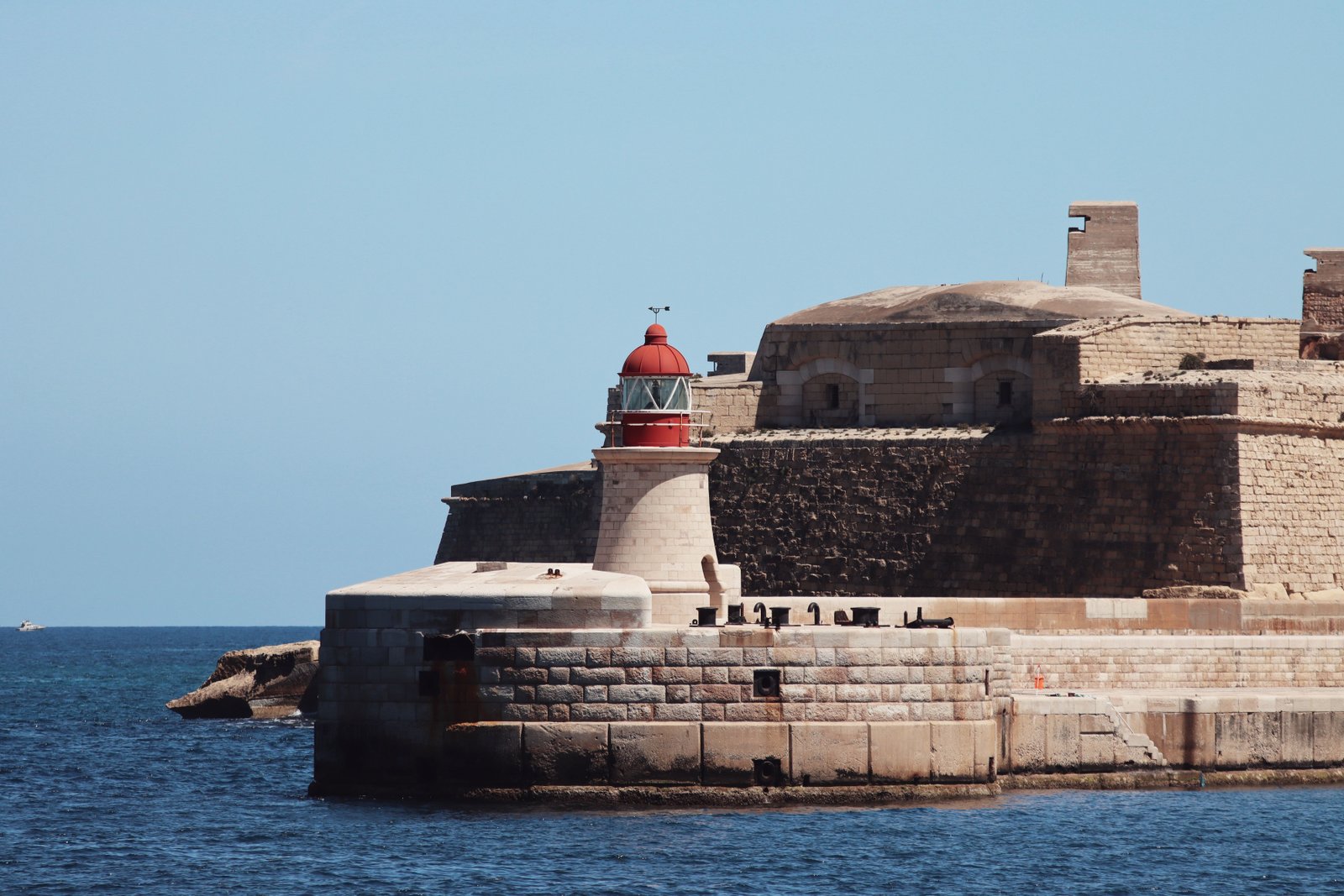
The case of Valletta deserves a special mention. The official page on the open category, visible in public extracts, refers to a Valletta Special Permit Zone with specific requirements. A PDF document also indexed explicitly mentions the conditions for obtaining a special permit for certain commercial operations in this zone. If you are planning a shoot over the Grand Harbour, the ramparts, or historic streets, consider the sector highly sensitive and check the dedicated policy before any request.
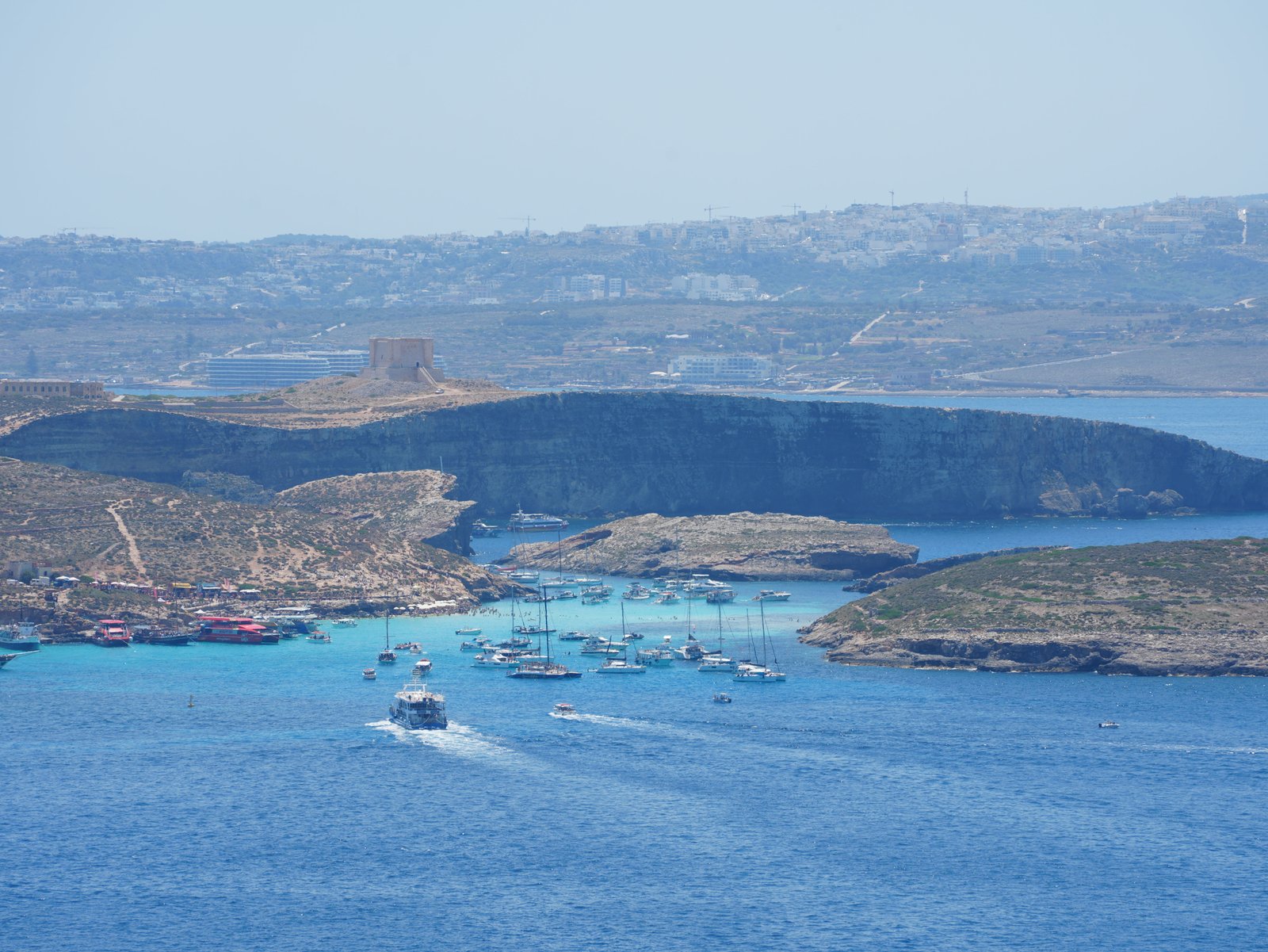
On beaches, the difficulty is not just administrative. Even if the zone is not prohibited, the EASA rule on flying over people still applies. In the middle of the day at Blue Lagoon, Mellieha, Sliema, or St Julian’s, the crowds can be enough to make the flight unsuitable. Add to that the protection of privacy if your drone films swimmers, terraces, or balconies, and you get a context where simple common sense is not enough: you really need to check the feasibility of the flight.
Traveling with your drone to Malta: what a visitor should anticipate
On a European level, an operator already registered in another EASA member state can in principle fly in other member states without repeating the entire basic process. But in the case of Malta, the official page for tourists, as it appears in public extracts, adds a very important local layer: visitors wishing to fly in Malta must register on tmcad.idronect.com and upload valid third-party insurance.
This same tourist page indicates that an operator who already has an EASA registration number can opt for a three-month registration for 10 euros, while an operator who does not yet have an EASA number must register to obtain one, with a mentioned fee of 25 euros. As this point is more specific than simple European portability logic, you really need to re-read the official page at the time of departure to check that the procedure and amounts haven’t changed.
For transport, keep at least your proof of registration, your proof of training if required, your insurance certificate, and the confirmation of your flight request with you. If you are combining several stops in the Mediterranean, comparing with drone laws in Italy or drone laws in Greece can also help identify what is unique to Malta.
Sanctions and other points of vigilance
Publicly accessible pages do not highlight a simple schedule of fines for the general public that could be properly listed here, so it’s better not to invent one. However, one official point indexed deserves repeating: a flight authorization is not an authorization to film people or properties without consent, nor to transport objects by drone as you see fit. In short, even if your flight is accepted from an aeronautical standpoint, you remain responsible for complying with other applicable rules.
The most common risk for a traveler is not necessarily a spectacular operation: it’s rather a flight that is too spontaneous near a tourist spot, a dense urban axis, a port, a restricted zone, or a crowded beach. In Malta, the typical mistake is believing that a photogenic spot is automatically usable. This is clearly not the case.
Practical tips before taking off in Malta
- open tmcad.idronect.com even before arriving and check how the portal works;
- prepare valid third-party insurance, even for leisure use;
- keep your proof of registration and training accessible on your phone and offline;
- submit your flight requests in advance, especially for tourist locations or if the flight might not be auto-approved;
- avoid peak crowd times on beaches, promenades, and ports;
- if you are targeting Valletta or a sensitive site, assume that a reinforced check is necessary;
- also re-read our article on drones and airports before choosing your spot.
Also read on Drone & Cam
- All our articles on drone laws
- Drone legislation in Europe
- Mandatory drone registration in Europe
- Transport and mandatory insurance for drones in Europe
- Cross-border drone travel
Official sources
- Transport Malta – Drones
- Transport Malta – Information & Help
- Transport Malta – Tourists Visiting Malta
- Transport Malta – Registration
- Transport Malta – Training
- Transport Malta – Open Category
- Transport Malta – Geographical Zones
- EASA – Travelling with drones
- EASA – Open category
Informative article published on July 31, 2026. Local procedures and zones published by TM-CAD may evolve: always check the official source just before flying in Malta.