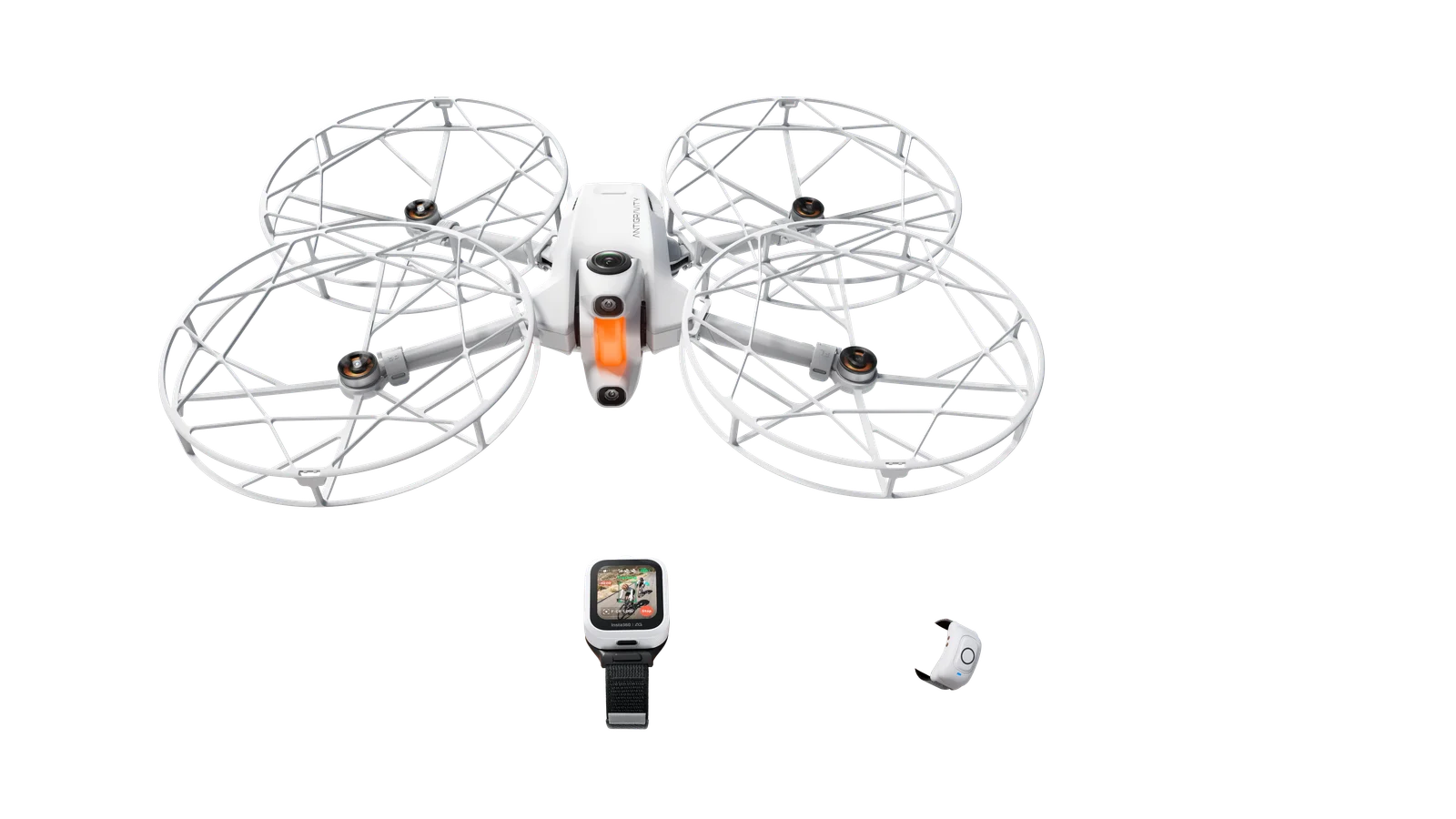
Planning a nature or city break in Slovenia with a drone? Good news: the country follows the European approach explained in our guide to drone laws in Europe. But you also need to deal with local geographical restrictions and one important Slovenian rule about built-up and populated areas. Here are the essentials, in a clear, practical version.
| Key point | What to know for Slovenia |
| General framework | Slovenia applies the European EASA rules, with national geographical restrictions to check before every flight. |
| Open category | No individual authorization if you stay within the open-category limits: max 120 m, VLOS, away from gatherings of people, and in the appropriate subcategory. |
| Registration | Yes, if your drone weighs 250 g or more, or if it carries a camera/personal-data sensor (except toys). |
| Training | A1/A3 training/exam is required for remote pilots using a 250 g+ drone; it’s still strongly recommended even below that if registration is required. |
| Sensitive areas | Check the official Slovenian geo-zone map. The CAA also highlights a strong constraint in built-up areas when people are present. |
| Travel from the EU | Your operator registration in an EU Member State remains valid across the EU, but you must follow local Slovenian rules. |
Quick summary of drone rules in Slovenia
For typical leisure or creative use, Slovenia applies the EASA framework: open category if you stay within the standard limits, otherwise specific category with dedicated steps. In practice, a simple flight is possible without individual authorization if you fly VLOS, below 120 m, with a suitable drone and subcategory, away from gatherings of people, and after checking local zones. If you need a full refresher on the open / specific / certified logic, also take a look at our article on drone flight categories in Europe.
- usual maximum altitude in the open category: 120 m AGL;
- VLOS flight and careful piloting;
- no flying over crowds;
- check Slovenian geo zones before every takeoff;
- respect privacy and GDPR if the camera captures identifiable people.
Registration and training: do you need to do anything?
Yes, quite often. The official page of the Civil Aviation Agency of Slovenia (CAA) states that operator registration is required if you use a 250 g or heavier drone, but also if your drone weighs under 250 g and carries a camera or sensor that can collect personal data—unless it’s a toy. For a practical refresher, our guide to mandatory drone registration in Europe helps you put the steps in order.
On the pilot side, the Slovenian CAA highlights the A1-A3 training/exam for pilots using a 250 g+ drone. Even if you fly a lighter aircraft, training is still a good habit as soon as there’s a camera on board and therefore a real regulatory framework to follow. If you’re hesitating between A1, A2, and A3, we explain it here: differences between the A1, A2 and A3 subcategories.
Where is flying prohibited or sensitive in Slovenia?
This is the point you shouldn’t overlook. Slovenia publishes an official map of geographical restrictions for UAS. Before any flight, you need to consult the map and check whether your spot falls within a regulated area, near an airport, a heliport, controlled airspace, or another sensitive zone. If you’re filming near an aerodrome, our refresher on drones and airports is still useful.
- airports, heliports, and associated airspace;
- geographical zones published on the official Slovenian map;
- city centers, roads, and built-up areas where people are present;
- very busy tourist spots, where safety and privacy constraints add up quickly.
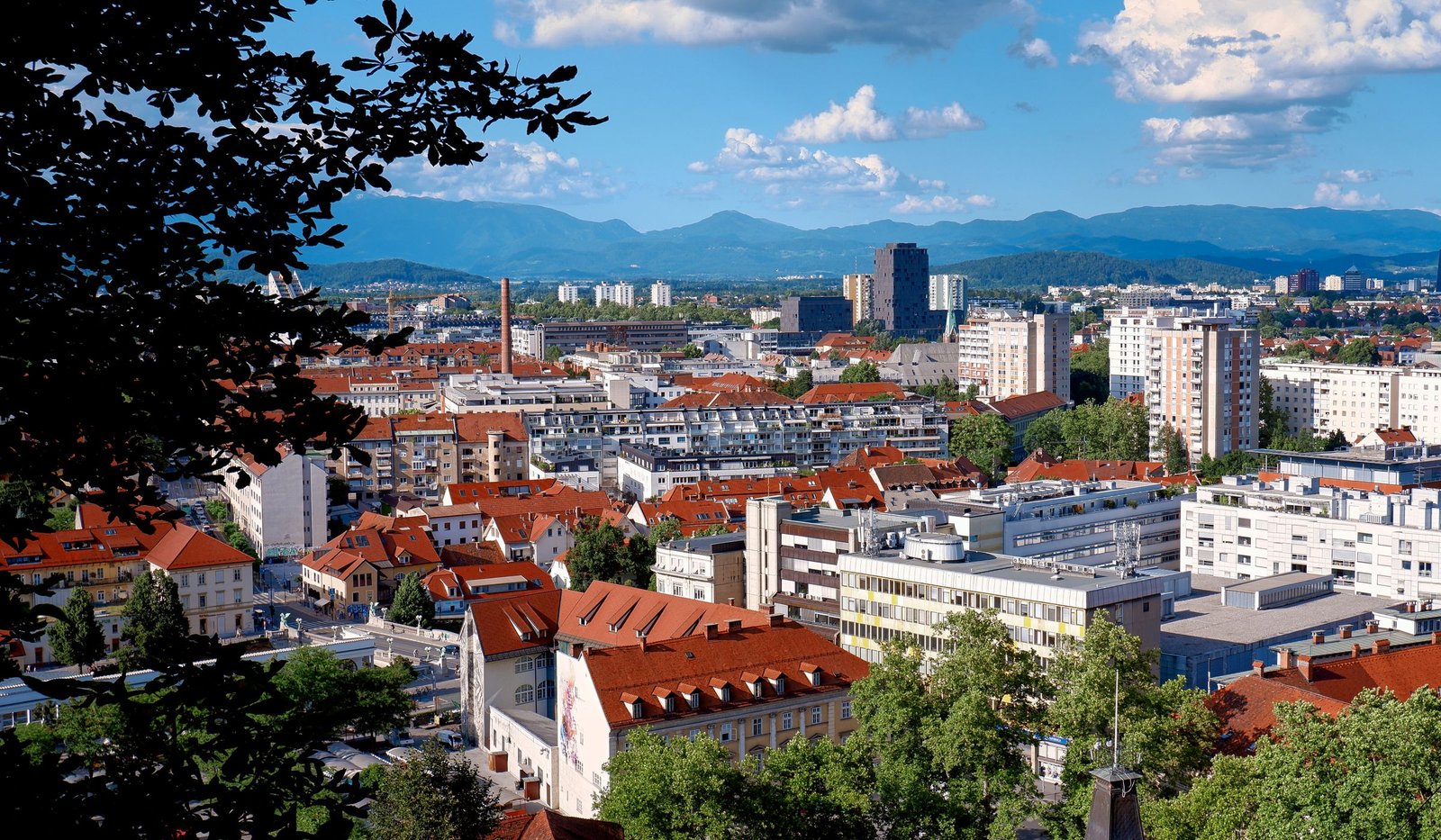
The Slovenian page on geographical restrictions adds a very concrete local rule: in the open category, operations are prohibited in built-up areas when people are present, including around transport infrastructure, except for a regulated exception. This exception applies only if all of the following conditions are met: drone of 1,200 g maximum, daytime flight, at 50 m AGL maximum, with the consent of the owner or occupant of the overflown land, and with a prior flight announcement. In short: for Ljubljana, historic centers, roadsides, or crowded spots around Bled, assume an improvised flight isn’t automatically legal.
The CAA also links to an announcement of flight form and specifies that it can be sent by email 12 hours before the operation to the address shown on the official page. As soon as you film people, private property, or urban scenes, also keep in mind privacy and GDPR rules.
Traveling with your drone in Slovenia
For a traveler already registered in the European Union, it’s fairly simple: operator registration obtained in one Member State remains valid across the EU. In other words, if you’re already compliant in France or elsewhere in the EU, you don’t need to register again just for Slovenia. However, you must follow local Slovenian geo zones and additional national rules.
If you’re coming from a non-EU country and plan to start flying in Slovenia, the CAA page reminds you that registration is done in the first Member State where you plan to operate. For more advanced operations in the specific category (STS, operational authorization, LUC), Slovenia provides a dedicated procedure for cross-border operations. For a regional road trip, you can also compare with drone laws in Austria or drone laws in Croatia, as local habits can change quickly from one neighboring country to another.
Penalties and key watch-outs
The CAA doesn’t highlight a simple, public-facing penalty scale on these pages, so it’s better to stay cautious than to make up amounts. In practice, a flight outside an authorized area, over people, in an airport environment, or without following the required formalities can expose you to administrative measures, flight interruption, and potentially penalties depending on the nature of the offense. If images infringe on privacy, the risk isn’t only aviation-related: data protection and local law may also come into play.
Practical tips before takeoff in Slovenia
- check the official Slovenian geo-zone map on the same day;
- if you’re aiming for an urban or built-up spot, first assume flying will be tricky, then check whether you fall under the planned exception;
- keep your operator registration proof and your A1/A3 certificate with you if it applies;
- avoid peak times around Bled, Ljubljana, or well-known viewpoints;
- in the mountains, keep a safety margin for wind, terrain, and video link return;
- if you travel often, also keep our pointers on cross-border flying in Europe and the French framework to quickly compare your habits.
Also worth reading on Drone & Cam
- All our articles on drone laws
- Drone laws in Europe: understanding the shared regulations
- Mandatory drone registration: steps and obligations in Europe
- Drones and airports: European regulations and restricted areas
- EU drone law and cross-border travel
Official sources
- Civil Aviation Agency Slovenia – UAS
- CAA Slovenia – operator registration and training A1/A3
- CAA Slovenia – geographical restrictions for UAS
- CAA Slovenia – cross-border operations
- EASA – drones / UAS FAQ
Informational article published on July 17, 2026. As regulations and geo zones can change, always check the official source right before you fly.