Did you know that flying a beginner drone with a camera weighing less than 250 grams exempts you from almost all mandatory theoretical training in Europe? This practical guide explains how to choose a stable and safe machine to successfully complete your first aerial shots without stress. We compare the best current models, from the DJI Mini 4K to the FIMI Mini 3, while giving you the essential skills to fly legally.
- How to find the right camera drone for beginners?
- DJI Mini 4K: the benchmark for small budgets
- Autel EVO Nano+: the security advantage with its sensors
- DJI Neo 2: the new kid on the block, designed for social media
- FIMI Mini 3: the perfect tool for filming when the light is low
- 3 tips to avoid losing your drone on the first day
- Flying legally without any hassle
How to find the right camera drone for beginners?
After dreaming over aerial videos on social media, it’s time to take action, but choosing your first device requires some common sense to avoid regretting your purchase.
Lightweight to avoid constraints
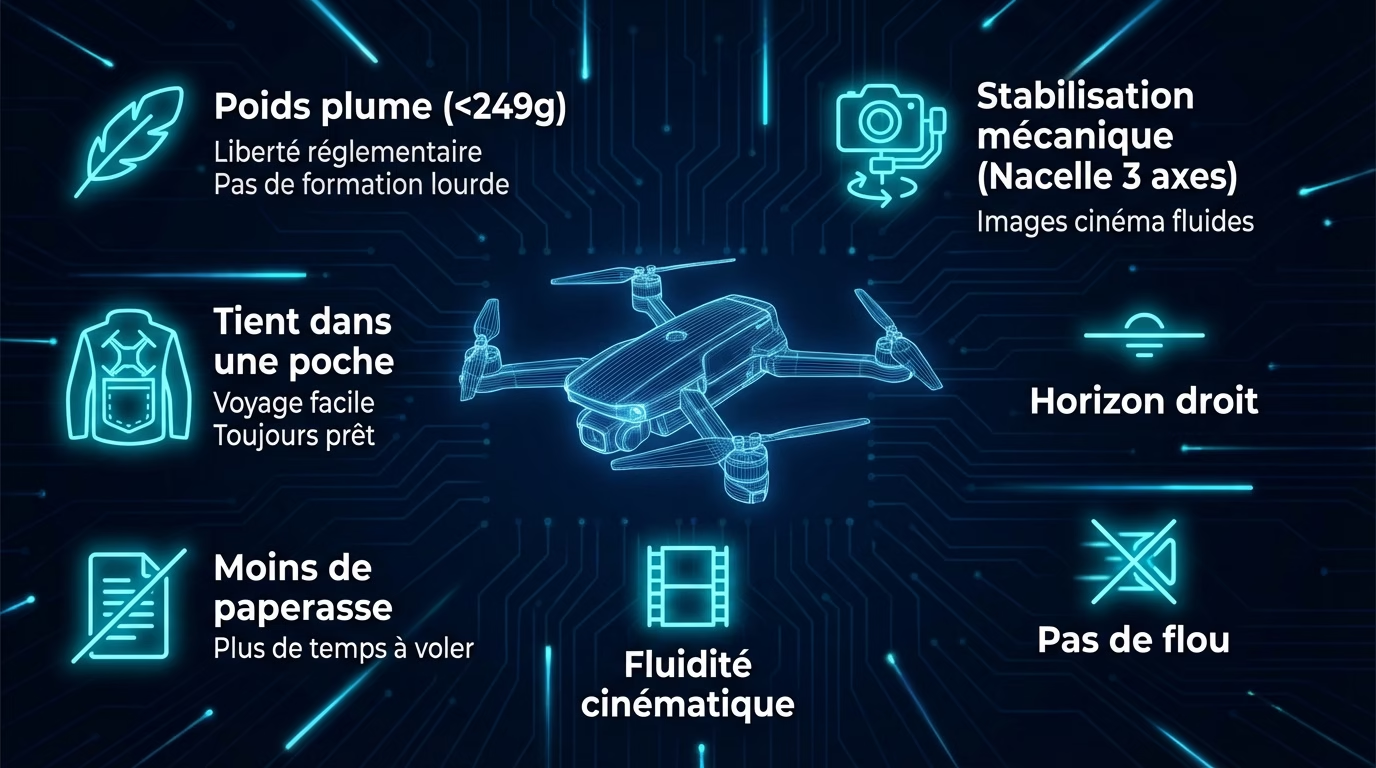
The 249-gram weight limit is magical. It allows you to fly in category A1 without extensive training. It offers almost total freedom for a smooth start.
A compact drone fits in a jacket pocket. It’s never left in the closet. It’s the ideal companion for an impromptu hike or trip.
Less weight means less paperwork. So you spend more time framing than filling out administrative forms.
Need specific advice? Check out How to Choose Your First DJI Drone for Travel to get your adventure off to a great start.
Mechanical stabilization for sharp images
A distinction must be made between digital stabilization and physical gimbals. Only a 3-axis gimbal guarantees a smooth, cinematic look. It effectively compensates for wind vibrations affecting the camera.
Jerky footage is really unpleasant. Good stabilization forgives your piloting errors. It naturally smooths out the abrupt movements of beginners.
Therefore, this is the non-negotiable technical criterion. Without a gimbal, your images will resemble shaky old home movies.
- The absence of ambiguity
- The horizon always straight
- Kinematic fluidity
DJI Mini 4K: the benchmark for small budgets
If budget is your primary concern, be aware that there is a machine that dominates the entry-level market without sacrificing quality.
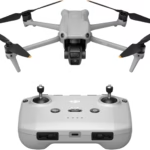
The DJI Mini 4K is the logical successor to the Mini 2 SE, featuring an ultra-high-definition sensor. It’s the ideal entry-level drone with a camera for those starting out without breaking the bank. Its price often remains unbeatable for this resolution.
OcuSync transmission ensures a reliable video link. You won’t lose the signal after fifty meters in the city. This technology guarantees a smooth and safe HD feed for the novice pilot.
The DJI Fly app lets you take off in under two minutes without a complicated manual. Everything is designed for intuitive use. The 31-minute flight time provides plenty of time to capture your memories.
Compare the different models with the guide “Getting started with the DJI Mini 5 Pro: From the box to flight” . It’s the sensible choice for a first purchase.
| Model | Resolution | Weight | Strengths |
|---|---|---|---|
| DJI Mini 4K | 4K / 30 fps | 246g | Unbeatable price |
| Autel Nano+ | 4K / 30 fps | 249g | 50MP sensor |
| DJI Neo 2 | 4K / 100 fps | 151g | AI and tracking |
| FIMI Mini 3 | 4K / 60 fps | 250g | Low light |
Autel EVO Nano+: the security advantage with its sensors
For those who are afraid of hitting a tree on their first flight, a serious alternative offers additional “eyes”.
This model incorporates a unique three-way obstacle avoidance system. This is a rarity for an entry-level camera drone. You fly with welcome peace of mind. The sensors scan the front, rear, and bottom.
The 1/1.28-inch CMOS sensor works wonders for image quality. Its wide f/1.9 aperture captures a tremendous amount of light. The good news is that colors remain vibrant even under clouds.
In terms of looks, Autel dares to use original colors. We love the bright orange, which is incredibly practical for spotting the device. The design remains compact and folds easily.
However, this advanced security comes at a price. This drone is often more expensive than its direct competitors. It costs approximately $679 on the official website.
To better understand the onboard technologies, take a look at the comparison of the HOVERAir X1 vs. the DJI Mini 5 Pro | Standalone vs. Classic . This clearly illustrates the differences in sensors.
It’s the ideal tool for complex environments. In the forest, collision sensors often save the day.
It’s a smart investment to start with. It’s better to pay a little more at the beginning than to break your propellers.
DJI Neo 2: the new kid on the block, designed for social media
If your goal is to film yourself without even touching a controller, the new generation radically changes the game.
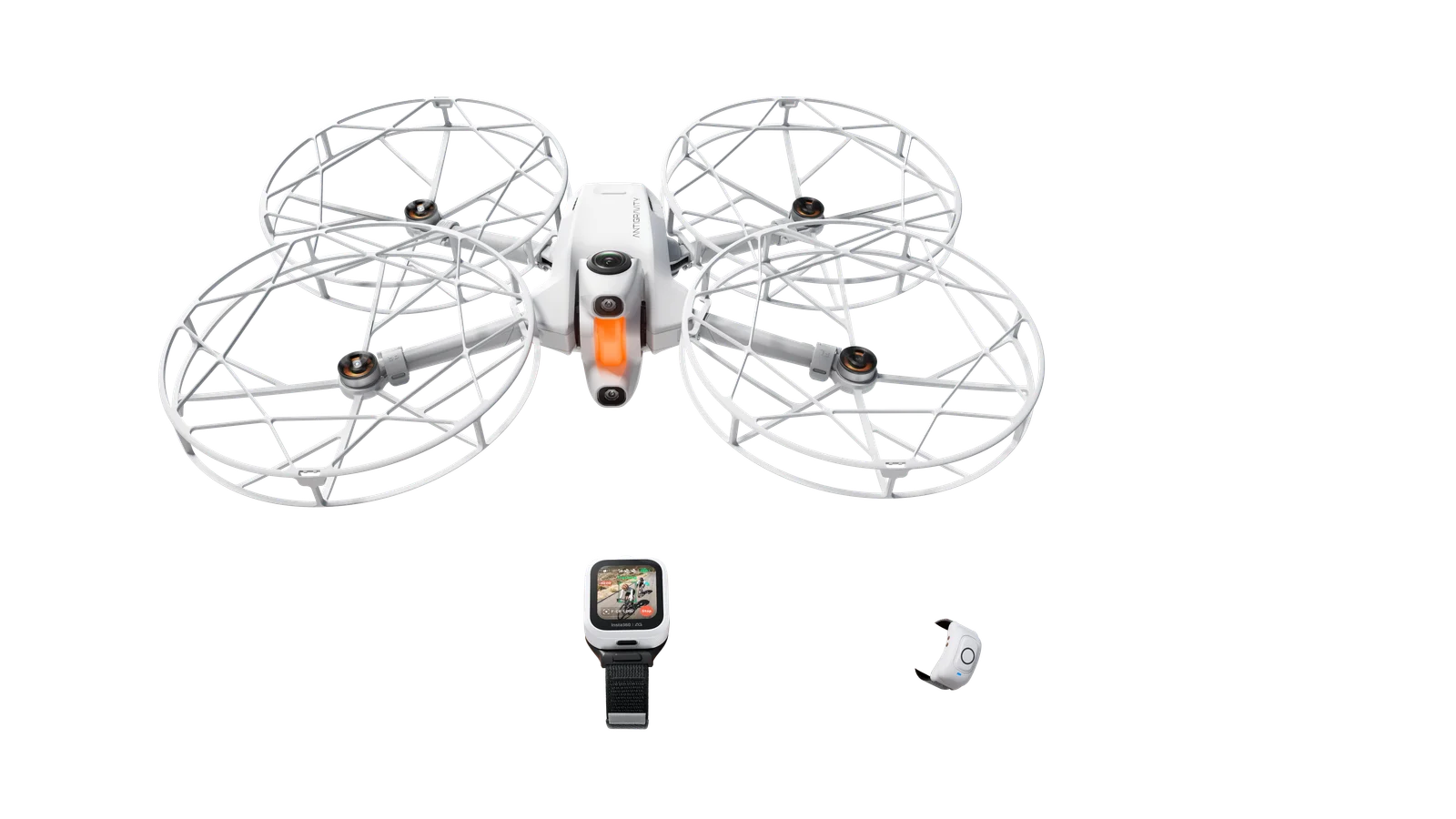
The concept of the selfie drone becomes a reality. The Neo 2 takes off directly from your palm. It follows you with surgical precision. Its artificial intelligence handles all the framing on its own.
The vertical format is the star here. It’s the ideal tool for TikTok or Instagram. You save a ton of time editing. The videos are ready to be shared.
The full propeller guards provide immediate reassurance. You can fly indoors without fear. There’s no risk of injuring anyone or damaging the equipment. It’s truly worry-free.
To compare the versions, consult this guide: DJI Neo 2 vs DJI Neo: safety, camera, performance – Drone & Cam . You will see all the technical improvements there.
This model is primarily aimed at nomadic creators. Forget complex long-distance flights. Here, the focus is on the moment and spontaneity.
It’s the ultimate video assistant for your vlogs. It follows you everywhere without ever faltering.
Ready to take the plunge? Buy Antigravity A1 .
FIMI Mini 3: the perfect tool for filming when the light is low
Sometimes, the underdog delivers nighttime performances that put industry leaders to shame.
The FIMI Mini 3 shines with its AI Super Night Video mode. This intelligent image processing drastically reduces digital noise. It’s the perfect tool for capturing crisp sunsets. Your beginner camera drone becomes a nighttime ally.
We really appreciate the fast charging via the USB-C port. It’s a handy feature that ensures you never run out of power. You can recharge your batteries using a simple power bank while hiking.
In terms of stability, this little craft handles moderate breezes without flinching. Its powerful motors maintain a steady position despite its light weight. It remains reliable even when the wind picks up a bit.
However, the software interface is sometimes clunky. It’s not quite as polished as the competition. You have to adapt to the ergonomics of the dedicated application.
- 4K 60fps video
- 8km transmission
- Weight 245g
- Fast charging
It’s a credible and robust alternative. Ideal for those who like to think outside the box.
Its aggressive pricing seals the deal. It offers features often reserved for professional models.
3 tips to avoid losing your drone on the first day
Having the best equipment is useless if it ends up stuck at the top of an oak tree or lost at sea after ten minutes.
Ignoring the whims of the weather
Always monitor wind speeds at ground level and at altitude. A gust of 20 km/h can prevent a lightweight drone from returning to you. Be vigilant during your flights.
Cold weather is the sworn enemy of LiPo batteries. Below 5 degrees Celsius, battery life drops drastically. This can cause a sudden motor cut-out in mid-flight.
Check the forecast before heading out. Even light rain is often enough to fry flight electronics. Don’t take unnecessary risks with the humidity.
Need specific advice? Discover the mistakes to avoid with a HOVERAir drone when starting out to fly with peace of mind.
Skip the checklist step
Visually inspect your propellers before each takeoff. A micro-crack invisible when stationary can cause structural failure in flight. Also, check that your microSD card is properly inserted and empty. This is a simple precaution to save your equipment.
Always wait for a full GPS signal. The automatic return-to-home (RTH) function only registers correctly if the device has locked onto enough satellites initially. This prevents losing your beginner drone with a camera.
Calibrate the compass if the application requires it. This prevents erratic behavior in the air. It’s quick and easy to do.
Rigour is the secret to the longevity of your flying equipment.
Flying legally without any hassle
To ensure the enjoyment remains complete, you must also make sure that you don’t risk a hefty fine around the corner.
Consult the maps of authorized zones
Use tools like Géoportail in France to identify red zones. Airports and military sites are strictly off-limits to overflights. Remain vigilant during your reconnaissance.
Respect your neighbors’ privacy. Filming over a private garden without permission is a serious offense that can land you in court. Always be courteous to those around you.
National parks often have specific rules. Check them before taking off in a protected natural area. Some sites require prior authorization.
An informed pilot is a pilot who flies for a long time. Caution remains your best ally.
Register your drone on dedicated portals
Every drone equipped with a camera must be registered on the AlphaTango portal. You will receive a unique operator number that must be clearly affixed to the frame of your drone. This is a basic rule for all beginner drones with cameras.
This procedure is free and takes less than ten minutes. It allows the authorities to identify the owner in case of an incident or loss. You immediately feel more responsible once you’re in compliance.
Don’t neglect this administrative step. It proves your good faith and seriousness.
- AlphaTango registration
- labeling
- online training
Choose a model weighing less than 249g with a stabilized gimbal for unrestricted filming. Selecting your first camera drone is easy when you consider the weather and AlphaTango’s guidelines. Get started now and capture your most beautiful aerial memories with professional-quality smoothness from your very first flights.
FAQ
Why choose a drone weighing less than 250 grams to start with?
It’s a bit like the magic weight for starting out without stress. By staying under 249 grams, you benefit from much more flexible regulations, especially in the open A1 category, which avoids overly heavy training courses.
It’s also super convenient for your outings. Such a lightweight device easily slips into a jacket pocket, meaning you can take it everywhere with you, whether hiking or traveling, without being burdened with unnecessary paperwork.
What is the difference between mechanical and digital stabilization?
Simply put, mechanical stabilization uses a 3-axis physical gimbal that moves to compensate for the drone’s vibrations. This is what gives it that very smooth, “cinematic” look, even when there’s a bit of wind or your finger movements are abrupt.
Digital stabilization, on the other hand, is purely software-based: it crops the image to eliminate jerkiness. If you want truly sharp, professional-looking footage for your memories, always choose a model with a mechanical gimbal; otherwise, your videos risk looking like shaky old home movies.
Is the DJI Mini 4K a good choice for a small budget?
Absolutely, it’s probably the best value for money option right now for getting started. It lets you film in ultra-high definition (4K) at a very affordable price, while also benefiting from the reliability of OcuSync transmission, which prevents you from losing the video signal after just a few meters.
We also appreciate its ease of use with the DJI Fly app. You can take off in less than two minutes and enjoy approximately 31 minutes of flight time, which is more than enough to capture stunning views without breaking the bank.
What are the security advantages of the Autel EVO Nano+?
If you’re worried about crashing your drone into a tree, this model is an excellent option because it has obstacle avoidance sensors in three directions. This is quite rare on drones of this size and provides real peace of mind, especially for beginners.
In addition to this safety feature, it includes a high-performance camera sensor that maintains vibrant colors even in cloudy weather. It’s a slightly more expensive investment, but one that can save you from breaking your propellers on your very first outing in the woods.
Is the DJI Neo 2 suitable for social media?
That’s exactly its mission! It’s often called the “selfie drone” because it can take off directly from the palm of your hand. Thanks to its artificial intelligence, it follows you on its own without you needing to touch a controller, which is perfect for creating content quickly.
It’s ideal for Instagram or TikTok thanks to its simplified format and full propeller protection. You can even use it indoors or around friends without worry, making it the ultimate video assistant for creators who want to stay spontaneous.
What are the basic rules for flying legally?
The first thing to do is register your drone on the AlphaTango portal. It’s free, takes ten minutes, and you’ll get an operator number to stick on your device. This is mandatory for all drones equipped with a camera.
Next, always consult a map like Géoportail to check that you are not in a restricted area, such as near an airport or military site. Also, remember to respect your neighbors’ privacy: never fly over a private garden without first asking permission.
How to avoid losing your drone on the first flight?
The secret is to always check the weather and wait for a full GPS signal before taking off. If the wind is blowing at more than 20 km/h, your lightweight drone may have a lot of trouble returning to you, so be careful.
Also, get into the habit of using a short checklist: inspect your propellers for cracks and make sure your battery is fully charged. A pilot who takes care of their equipment is a pilot who flies for a long time!