
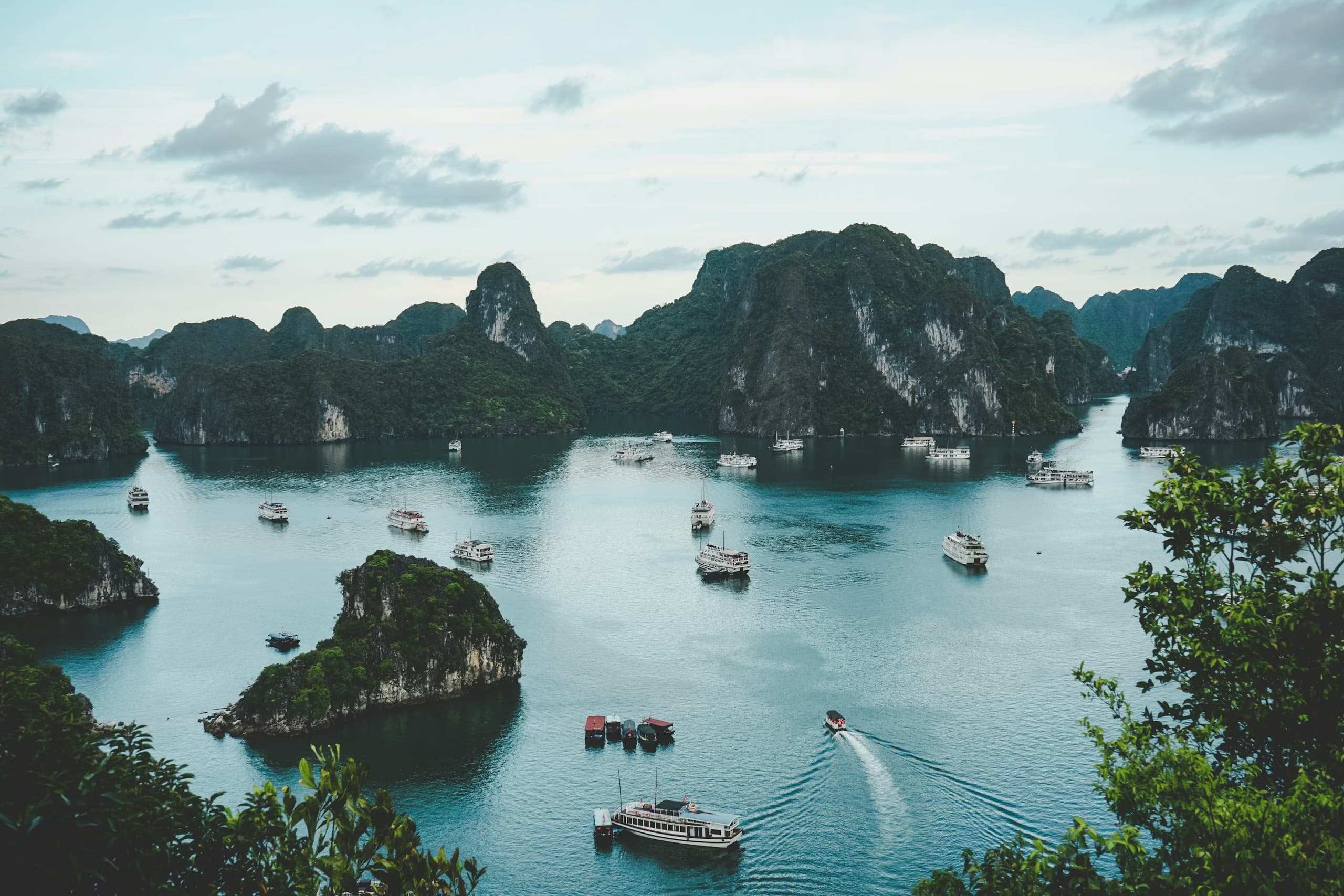
Here’s a practical snapshot of the current drone rules in Vietnam, so you can fly legally and avoid the most common mistakes.
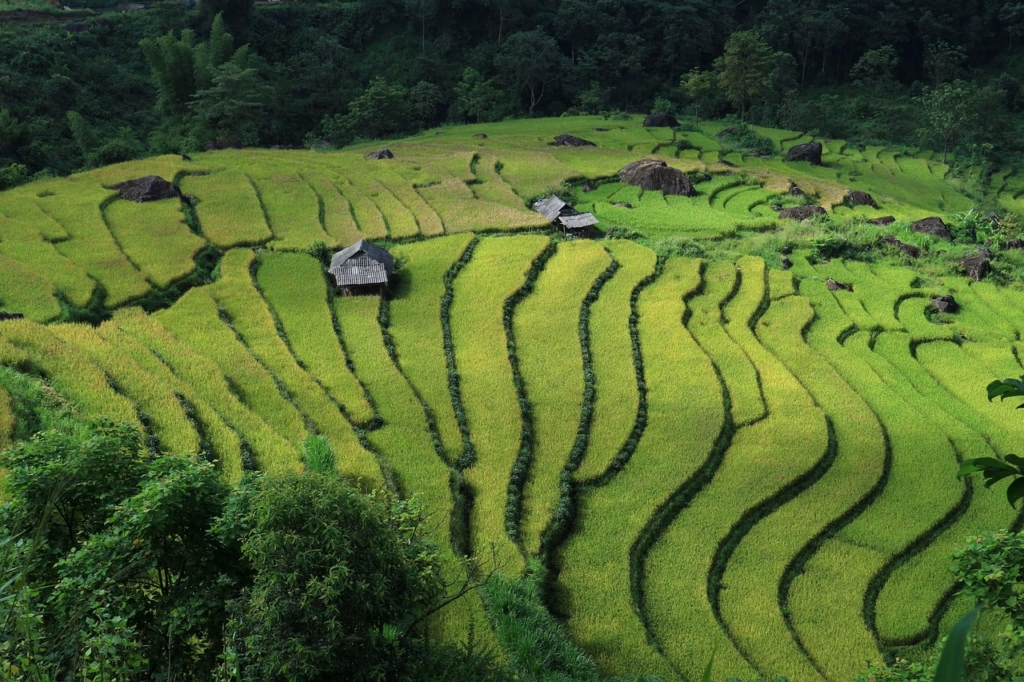
Vietnam, with its spectacular landscapes ranging from the terraced rice paddies of Sapa to the majestic Halong Bay, is a dream destination for photographers and videographers. Using a drone to capture these wonders is tempting, but it’s crucial to understand that regulations are among the strictest in Southeast Asia. Flying a drone in Vietnam is no easy feat and requires rigorous preparation.
The regulatory framework: near-systematic authorization
The golden rule to remember is simple: all drone (or “flycam”) use in Vietnam is heavily regulated and subject to prior authorization. The primary authority in this matter is not the Civil Aviation Authority, but the Vietnamese Ministry of National Defense . This means that national security considerations take precedence over everything else.
For each flight or series of flights, obtaining flight authorization is theoretically mandatory. This application must be submitted well in advance (at least 14 days before the scheduled date) to the Operations Department of the Ministry of Defense. The procedure is complex, often conducted in Vietnamese, and success is not guaranteed, especially for tourists.
- Who is affected? Absolutely everyone, from professionals to amateurs, from locals to tourists.
- When to apply? At least 14 to 20 days before the scheduled flight.
- What information should be provided? You will need to specify in detail the information about the pilot, the drone model, the exact flight areas (GPS coordinates), the altitudes, the dates and the times.
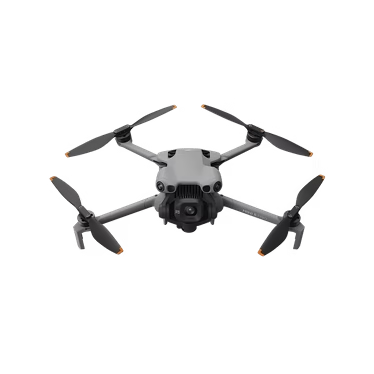
DJI Mini 5 Pro
DJI’s new high-end compact drone: exceptional video quality, 3-axis gimbal, intelligent tracking and latest generation sensors.
See the DJI Mini 5 ProImporting a drone into Vietnam
Before you can even think about flying, you have to successfully get your drone into the country. Vietnamese customs officials are increasingly vigilant regarding drone imports by travelers. It’s not uncommon for drones to be detected in luggage by X-ray and confiscated at the airport. They can be kept by the authorities until your departure from the country, for a storage fee.
It is therefore advisable to check with your airline and, if possible, the Vietnamese embassy in your country before leaving with your equipment.
No-fly zones
Even with authorization, some areas remain strictly off-limits to overflight. Caution is advised, as manufacturers’ geofencing maps (like those from DJI) are not always aligned with specific local restrictions.
Typical restricted areas include:
- Airports and airfields, with a large security perimeter.
- Military installations, naval bases and defense zones.
- Important government buildings (ministries, presidential palace, etc.).
- Sensitive border areas.
- Often, city centers in large urban areas like Hanoi or Ho Chi Minh City are subject to very strict restrictions.
Practical advice and risks involved
Faced with this complexity, what can be done? Many travelers try their luck by stealing discreetly. While this approach can sometimes work in very remote areas, it carries significant risks: confiscation of equipment and potentially very high fines . Local authorities and the police are increasingly aware of this issue.
- Never assume that it is allowed. The absence of “no flying” signs does not mean that theft is permitted. The default rule is that flying without a permit is prohibited.
- Plan ahead. If you have a professional project, contact a local production agency. They are familiar with the procedures and can facilitate obtaining permits.
- Consider alternatives. For large projects, the best solution is often to hire a certified and insured local drone pilot who already has the necessary permits to operate.
- Assess the risk. If you still decide to bring your drone for personal use, be aware of the potential consequences and favour rural and isolated areas, far from any sensitive infrastructure.
Conclusion: Prudence is the mother of safety
In short, flying a drone in Vietnam is legally possible, but the authorization process is so cumbersome and controlled by the military that it is virtually inaccessible to the average tourist. The risks of confiscation at customs or fines on the spot are real. The beauty of Vietnamese landscapes seen from the sky is undeniable, but it must be weighed against strict adherence to legislation where national security is the top priority.