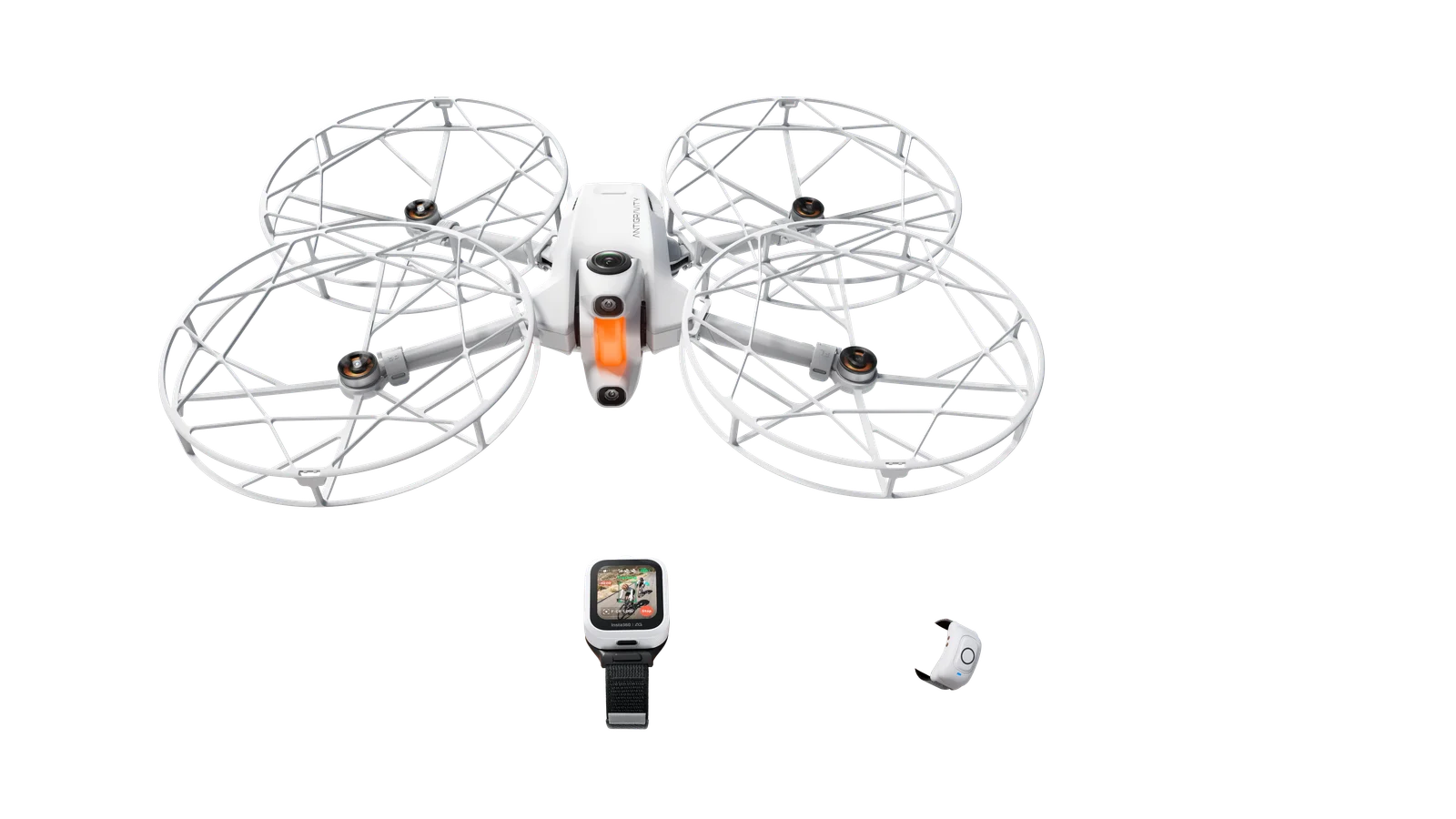
Are you planning a trip to Bulgaria with a drone? Good news: the country applies the EASA European framework, which makes the basics quite clear for a remote pilot already used to EU rules. However, you still need to check local geographical zones, use official Bulgarian portals for registration or training if necessary, and avoid any improvisation near airports, active zones, or crowds. Here are the essentials, in a clear and useful version.
| Key point | Things to remember for Bulgaria |
| General framework | Bulgaria applies EASA European rules, with national geo zones to be checked before every flight. |
| Open category | Flight is possible without individual authorization if you stay within standard limits: 120 m max, visual line of sight, away from crowds, and according to the appropriate subcategory. |
| Registration | The drone itself is not registered as a consumer device, but the operator must often register via drones.caa.bg, except for very light exceptions without personal data sensors. |
| Training | In the open category, the Bulgarian DG CAA requires online A1/A3 training/examination via X-TESLA, followed by an additional exam for A2. |
| Sensitive zones | You must consult the official UAS geographical zones file published by the DG CAA and also monitor active zones on B-FLIP. |
| Special requests | For the cross-border specific category or a flight in a prohibited/restricted zone, the DG CAA requires a file at least 7 days before via uas@caa.bg. |
| Traveling from the EU | An operator registration already obtained in another Member State remains valid in the EU, but local Bulgarian restrictions must still be respected. |
Quick summary of drone rules in Bulgaria
For standard leisure or creative use, Bulgaria primarily follows European logic: open category if you stay within standard limits, otherwise specific category with dedicated procedures. In practice, a simple flight is generally possible if you fly within sight, under 120 m, away from crowds, with a drone suited to the relevant subcategory. If you want to refresh your understanding of the general logic, our guide on drone legislation in Europe remains the best starting point.
- usual maximum height in open category: 120 m AGL;
- visual line of sight (VLOS) and careful piloting;
- no flying over crowds or improvised flights in sensitive environments;
- checking Bulgarian geo zones before every takeoff;
- respect for privacy if your camera captures identifiable people.
Registration and training: what steps to take?
Bulgaria clearly distinguishes between the drone and the operator. The official portal drones.caa.bg explains that consumer drones are not registered individually, except for certified drones. However, you generally need to register as an operator if you own or rent a drone, unless your device weighs less than 250 g, has neither a camera nor a microphone capable of capturing personal data, or is classified as a toy. To get these obligations in order, you can also re-read our guide on mandatory drone registration in Europe.
On the remote pilot side, the official DG CAA page states that anyone flying in the open category must undergo training and an exam. For the A1/A3 subcategory, this is done through the X-TESLA platform. For A2, you must also pass an additional theoretical exam provided by the DG CAA. The same page also specifies that this training/exam requirement does not apply to operations with a drone weighing less than 250 g. If you need a more global reminder, our article on drone training and exams in Europe helps clarify use cases.
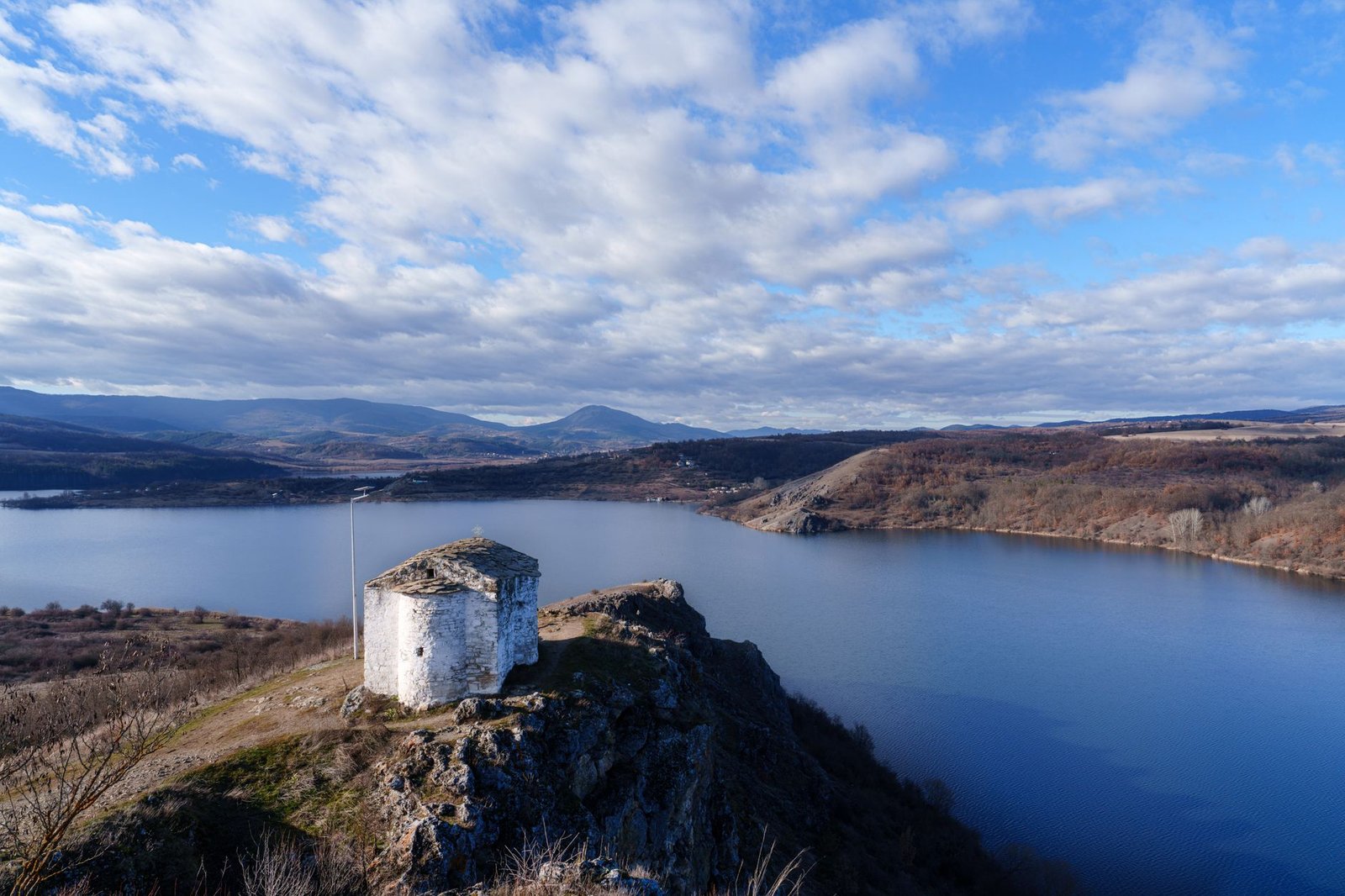
Where is flight prohibited or sensitive in Bulgaria?
This is clearly the most important point. The DG CAA publishes a page dedicated to UAS geographical zones and provides an official JSON file of the zones to be used to identify prohibited or restricted sectors. The page also notes that data integrated by drone manufacturers does not always cover all limited-access zones in Bulgarian territory. In short: don’t rely solely on the DJI app or your onboard map. If you’re filming near an airfield, keep our reminder on drones and airports handy as well.
- airports, heliports, and associated airspaces;
- geographical zones published by the DG CAA in its official file;
- active zones reported on B-FLIP, especially in the presence of low-altitude manned flights;
- city centers, tourist sites, and areas where a gathering of people makes the flight risky or non-compliant;
- any restricted or prohibited zone requiring prior request.
The Bulgarian page on geo zones adds several very concrete points. Outside geo zones, flights are allowed up to 120 m in compliance with Regulation (EU) 2019/947. The DG CAA also requires that the distance from a crowd be at least equal to the flight height: the higher you go, the more margin you must keep. And before every flight, the remote pilot is expected to consult the official JSON file, or even integrate it into the drone’s geovigilance function if it exists.
Another important detail: the DG CAA asks to check every 15 minutes if there is an active zone affecting the flight sector and to immediately interrupt the operation if an activation concerns your zone. This is a particularly useful habit for flights in the countryside, near hills, or routes frequented by other aircraft.
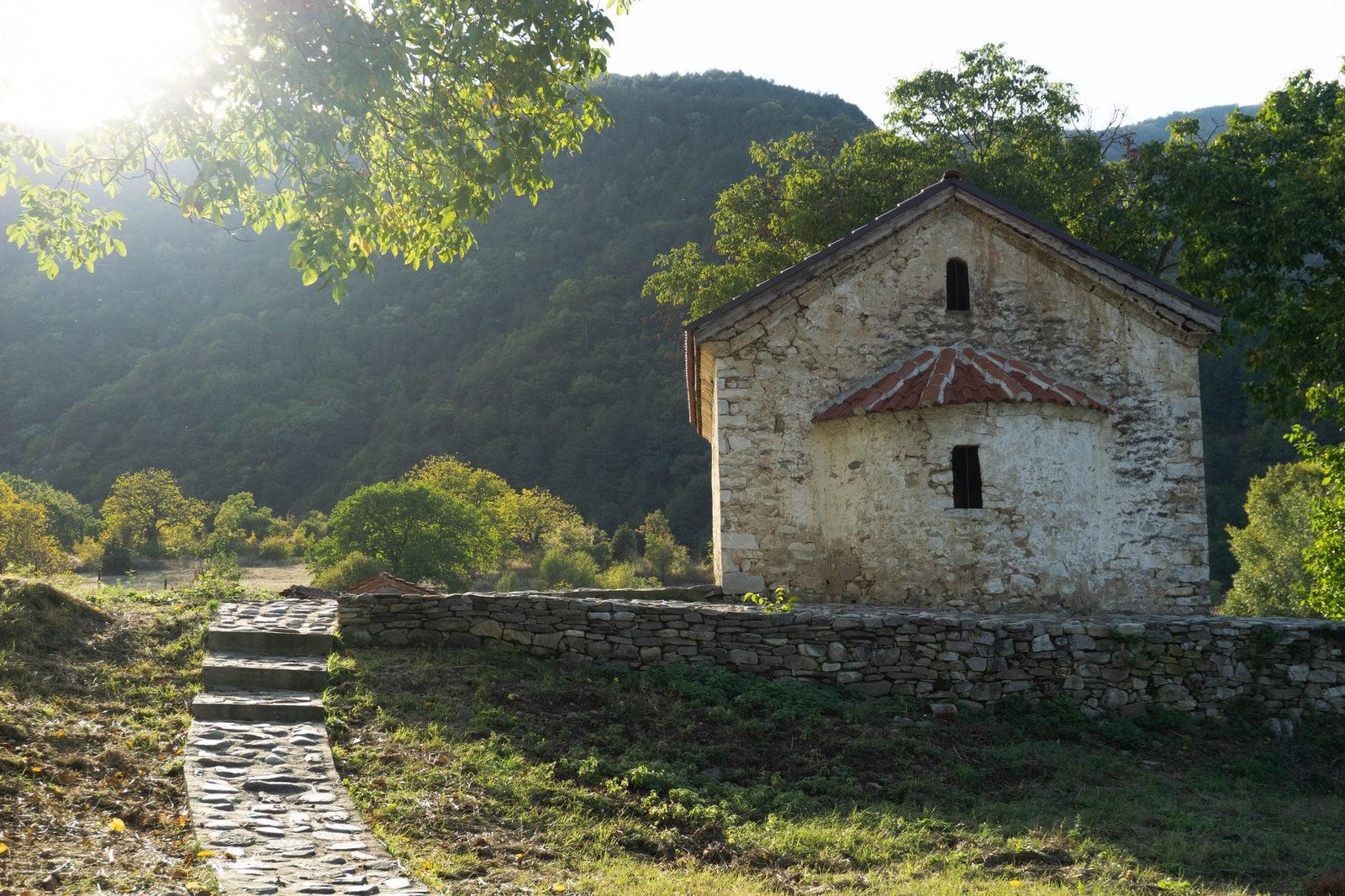
Traveling with your drone in Bulgaria
If you are already registered as an operator in an EU country, you don’t need to re-register at every border: operator registration remains valid throughout the European Union. However, this never exempts you from respecting local Bulgarian restrictions or any active zones of the day. For an itinerant stay, our guide on drone legislation and cross-border travel can save you time.
If your flight falls outside the open category and already involves an operational authorization or a LUC obtained in another Member State, the Bulgarian DG CAA requires a file at least 7 days before the scheduled start of the operation via uas@caa.bg. The same 7-day period is indicated for operations in prohibited or restricted zones or when an airspace reservation is necessary.
If you’re comparing your regional itinerary, you can also take a look at drone legislation in Romania and drone legislation in Greece, two neighbors where local habits change quickly despite a common European foundation.
Sanctions and points of vigilance
The public pages consulted mainly highlight procedures, geo zones, and forms, but not a simple scale of sanctions. I therefore prefer to remain cautious: a flight outside an authorized zone, in an airport environment, over people, or without respecting formalities can lead to a flight interruption, administrative consequences, or even sanctions depending on the context. And if your images infringe on privacy, the risk isn’t just about aviation law: our article on drones and respect for privacy remains useful everywhere in Europe.
Practical tips before takeoff in Bulgaria
- check the official geo zones page on the day and download the JSON file published by the DG CAA;
- if your drone allows it, update its geovigilance function with the most recent data;
- also monitor B-FLIP for active zones;
- keep your proof of operator registration and your A1/A3 or A2 certificate with you if applicable;
- avoid improvised flights in Sofia, around airports, crowds, or major tourist sites;
- if your operation goes beyond the simple framework, contact the DG CAA in advance via uas@caa.bg.
Also read on Drone & Cam
- All our articles on drone legislation
- Drone legislation in France: the complete guide
- Drone legislation in Europe: understanding common regulations
- Online training and exams for flying a drone in Europe
- Drones and airports: European regulations and restricted areas
Official sources
- EASA – directory of national drone authorities
- DG CAA Bulgaria – registration of UAS operators, specific category, and training
- DG CAA Bulgaria – UAS geographical zones
- drones.caa.bg – official UAS operator registration platform
- X-TESLA – training and assessment of remote pilots
- B-FLIP – information on active zones
Informative article published on July 24, 2026. As regulations and geo zones can evolve, always check the official source just before flying.