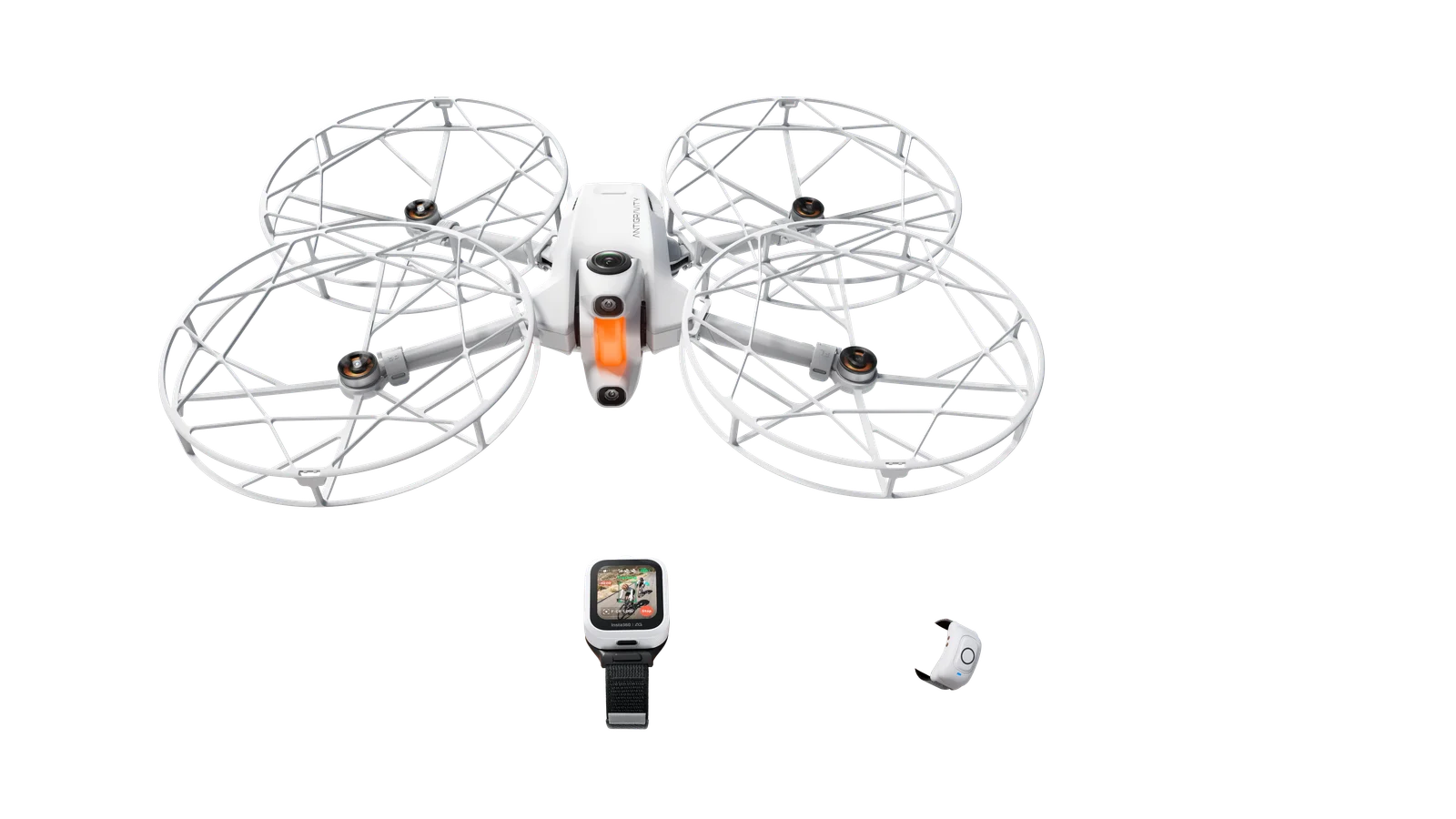
Ireland applies the European EASA framework, but local implementation is handled by the Irish Aviation Authority (IAA). For a recreational pilot, traveler, or content creator, the most important thing is simple: check if operator registration is required, stay in the “open” category when possible, and check UAS Geographical Zones before each flight.
- If your drone weighs more than 250 g, or if it carries a camera/sensor (excluding toys), operator registration is generally required.
- In the “open” category, the general limit remains 120 m above ground or water, with the drone always in direct visual line of sight.
- You must not fly in sensitive or restricted areas without checking official Irish mapping.
- For most travelers coming from another EU country, operator registration is done once in the country of residence, not in each country visited.
- If you go beyond the “open” category (riskier flight, specific scenario, heavier drone), specific authorization may become necessary.
Key rules to remember
In Ireland, recreational flights and a good portion of creative uses fall under the European EASA framework. In practice, this means that the majority of pilots remain in the open category: drone under 25 kg, visual line of sight flight, below 120 m, without transport of dangerous goods and without dropping objects. If you exceed this framework, you enter into more complex procedures.
The crucial point is that flying in Ireland is not a matter of ‘winging it’ around cliffs, coastlines, or cities. Before each takeoff, you must check local restrictions, any NOTAMs, and geozones published by the IAA. Some areas may also have environmental or site protection constraints.
Do you need to register or get training?
Yes, very often. The IAA indicates that an operator must register if the drone exceeds 250 g or has a camera/sensor, except for compliant toys. Registration is done via the MySRS platform. The Irish public portal also reminds that an EU resident does not need to re-register in every country: registration is generally done in the usual country of residence.
Regarding training, the IAA offers an online module of about 15 minutes to get started. Depending on the drone’s class and weight, this may be sufficient for A1/A3, while additional competence becomes necessary for A2 operations or more demanding flights. If you want to review the European basics, our guide on mandatory drone registration in Europe complements the topic well.
Where is it forbidden or risky to fly in Ireland?
The correct answer is not ‘x kilometers from an airport’ but ‘where official mapping prohibits or limits it’. The IAA portal refers to the UAS Geographical Zones, which should be consulted before each flight. Around aerodromes, certain sensitive infrastructures, or regulated areas, you may face an outright ban, an altitude restriction, or a need for authorization.
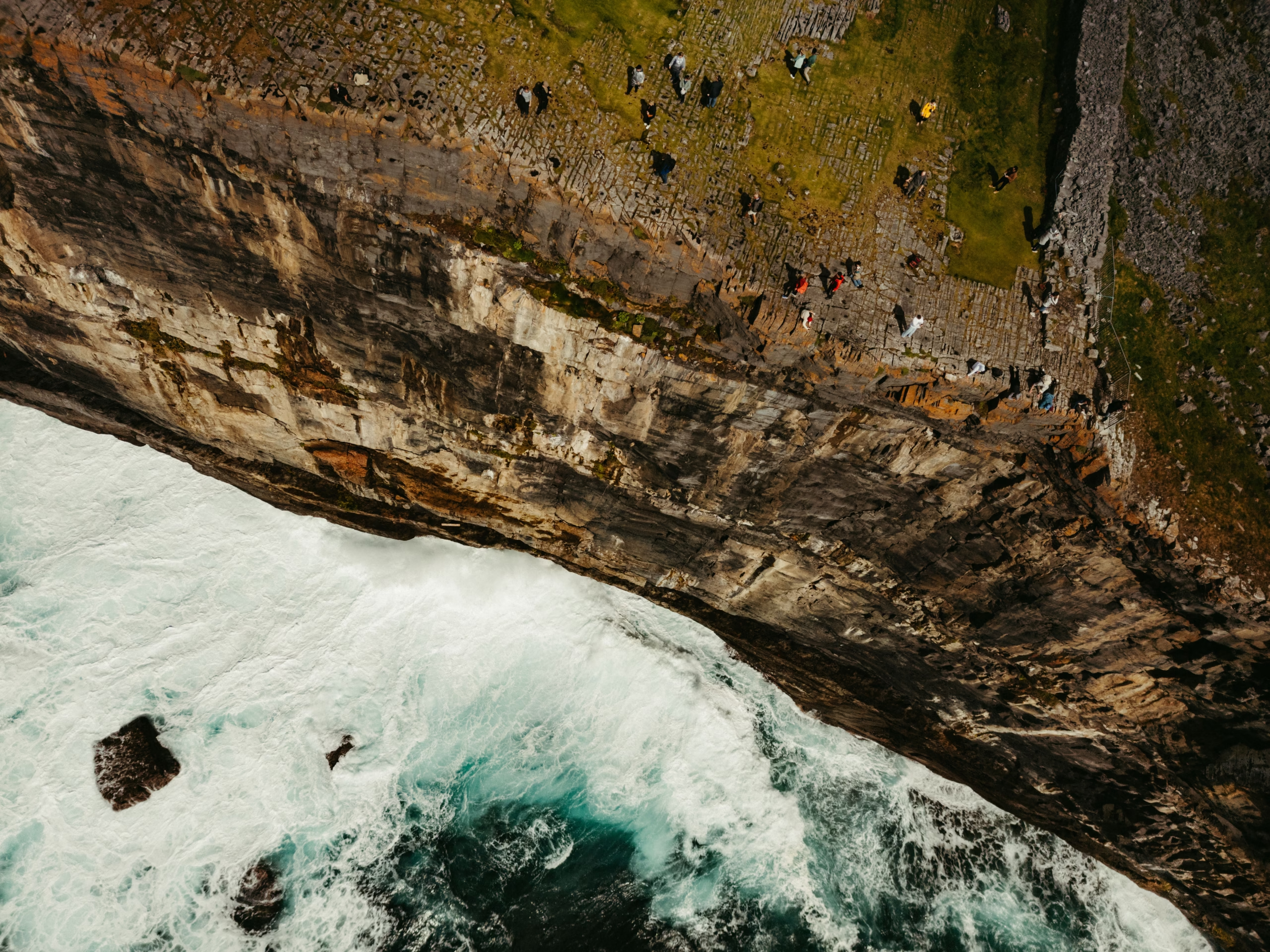
For a traveler, this is particularly important in photogenic spots: cliffs, coastlines, urban centers, tourist sites, or protected natural areas. Aeronautical restrictions are not the only ones that matter: environmental protection, public safety, and on-site tranquility can also limit flight. If you have doubts about an area near an airport, also read our guide on drones and airports in Europe.
Traveling to Ireland with a drone: what to plan for
For a pilot based in France or elsewhere in the EU, Ireland is quite straightforward in principle: if you are already registered and trained in your country of residence when required, you can generally fly in Ireland under the EASA framework, provided you comply with local restrictions. In short, your preparation is less about administration and more about checking zones and diligence before flight. If you are coming from a French context and want to review the basics before your trip, you can also reread our article on drones without a license and the law in 2026.
- Keep your operator number available and correctly affixed if your situation requires it.
- Check your drone’s class, weight, and flight scenario.
- Transport your lithium batteries according to airline rules.
- Check geozones, NOTAMs, and local restrictions just before takeoff.
- Prepare a backup plan if the site you were targeting turns out to be too sensitive or too crowded.
If you travel frequently between countries, our article on cross-border travel with a drone in Europe will save you time.
Recreational use, content creation, and professional use
An important point: “commercial use” does not automatically mean “special authorization”. If your activity remains within the limits of the open category, flight may still be possible without specific paperwork, even if you are creating content. However, as soon as your scenario goes beyond the standard framework, the IAA may require an operational authorization in the specific category.
In other words, the real issue is not just whether you monetize a video, but whether your flight remains compatible with EASA limitations and Irish geozones. To clarify this framework, you can also read our summary of drone legislation in Europe.
Penalties and points of vigilance
The Irish citizen information portal reminds that the IAA or the Gardaí can seize a drone if they believe it is likely to be used in violation. The same portal also specifies that insurance is generally necessary, with a common exception for purely recreational use with a drone under 20 kg; even in this case, third-party liability insurance is strongly recommended.
Another important point of vigilance: privacy. A camera-equipped drone can subject its operator to data protection obligations if identifiable individuals are filmed, especially if the images are publicly disseminated. On this point, our guide on privacy and GDPR compliance is a good complement.
Practical tips before takeoff
- Consider Ireland as an EASA country with strict local zone control, not as a ‘free’ country just because nature seems open.
- Avoid improvised flights near crowded cliffs, city centers, and aerodromes.
- If your drone exceeds 250 g, ensure your registration and training level are consistent with your scenario.
- Allow for weather margins: wind, light rain, and coastal gusts can quickly turn a simple flight into a bad idea.
- Prefer early morning flights, outside peak hours, at a clearly authorized site.
Official sources
- Irish Aviation Authority — Drone Operator Registration
- Irish Aviation Authority — UAS Geographic Zones
- Citizens Information Ireland — Owning and operating drones in Ireland
- EASA — Open category, low-risk drone operations
Also read
- All our articles on drone legislation
- Drone legislation in Europe: understanding common regulations
- Mandatory drone registration in Europe
- Drones and airports: European regulations and restricted areas
- Cross-border travel with a drone: what you need to know
- Drones and privacy: European legal framework
- Drone legislation in the United Kingdom