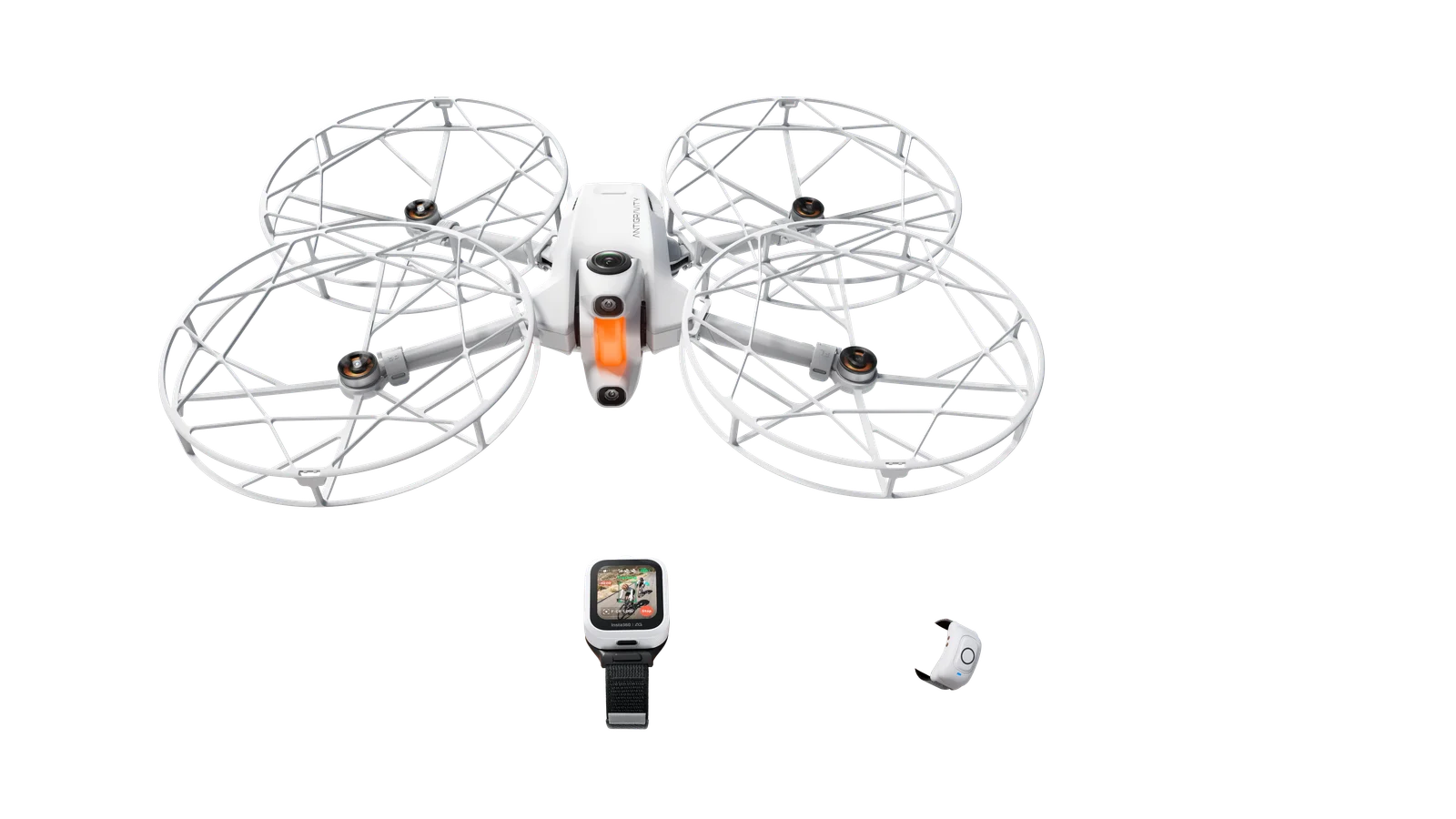
In Guadeloupe, drone use is governed by specific legislation, modeled on French national regulations, but with nuances to consider for flights over this overseas territory. This article provides an overview of the main rules to follow.
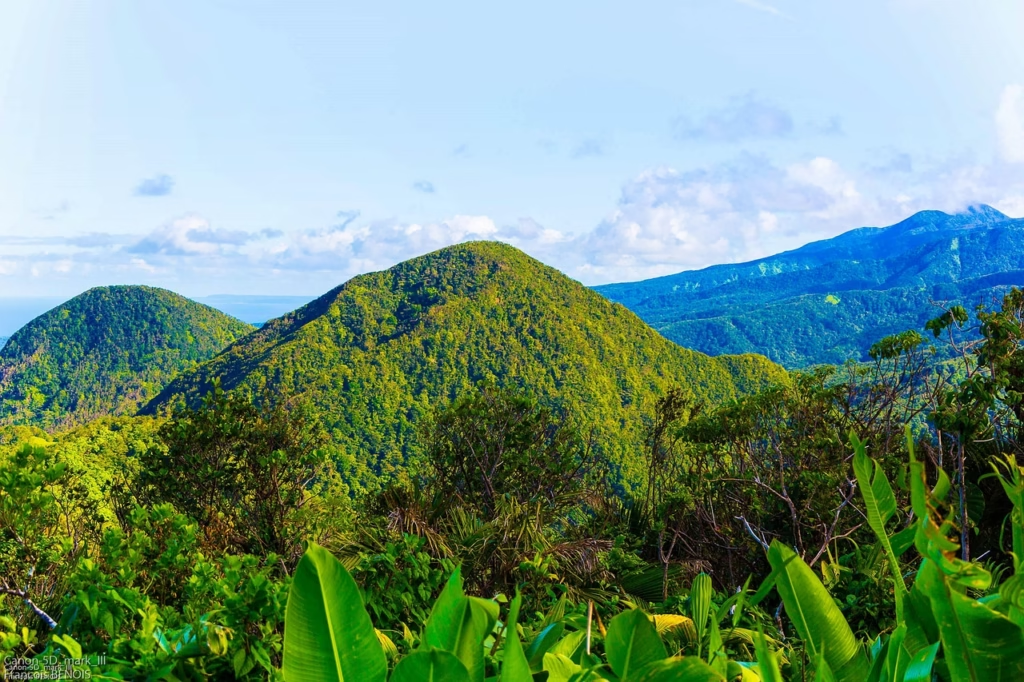
General Regulations for Drones
Drone legislation is primarily defined by the French Civil Aviation Authority (DGAC). The basic principles also apply in Guadeloupe. The aim is to ensure air safety and protect privacy.
- Registration: Any drone weighing more than 800 grams must be registered with the DGAC.
- Training: Online training or a theoretical exam is mandatory for drone pilots.
- No-fly zones: Some areas are prohibited from being overflown.
- Maximum height: The maximum flight height is generally limited to 150 meters above the ground.
- Responsibility: The remote pilot is responsible for flight operations and the consequences in case of an accident.
Specific characteristics of Guadeloupe
While general regulations apply, it is important to consider the specific geographical and environmental characteristics of Guadeloupe. For example, protected areas (national parks, nature reserves) may impose additional restrictions, or even a total flight ban.
- Sensitive areas: Hospitals, airfields, military zones and prisons are particularly sensitive areas.
- Specific authorizations: In some cases, specific authorizations from the prefecture or competent bodies may be required.
- Weather conditions: Tropical weather (strong winds, rain) can impact flight safety.
New EU Rules Regarding Drones
European Regulation 2019/947 on unmanned aircraft systems, as well as Regulation 2019/945 concerning the design of unmanned aircraft, will be progressively implemented in France and therefore in Guadeloupe. These new rules introduce categories of drones (Open, Specific, and Certified) based on risk and use. Compliance is crucial.
- Open Category: This concerns the least risky flights and is subdivided into subcategories (A1, A2, A3).
- Specific Category: This concerns riskier operations, requiring authorization from the DGAC.
- Certified Category: This category covers the riskiest operations, subject to the same requirements as manned aviation.
Practical Tips
Before flying your drone in Guadeloupe, it is recommended to:
- For information: Consult the website of the DGAC, the prefecture of Guadeloupe and the town halls to find out the rules in force.
- Mapping: Use aeronautical mapping applications (such as Géoportail) to identify restricted areas.
- Insurance: Take out liability insurance covering damage caused by the use of your drone.
- Respect the rules: Always respect flight altitudes, safety distances and restricted areas.
- Safety: Prioritize flight safety and avoid reckless operations.
In summary, drone regulations in Guadeloupe are complex. It is essential to stay informed, respect the rules, and use common sense to enjoy the safe and legal operation of your drone.