Buying for a child or teenager is not the same as buying for an adult beginner
This guide is intentionally separate from our standard beginner-drone article. When the pilot is younger, the best choice depends less on prestige or video specs and more on safety, robustness, weight, ease of takeoff and the ability to avoid an expensive first crash.
- For children: prioritize propeller protection, lower speed, simple controls and a realistic budget.
- For teenagers: you can start considering better cameras, but stability and clear safety aids still matter more than marketing promises.
- Parent tip: a lighter drone with predictable behavior is usually smarter than a more powerful model that feels exciting only on paper.
The right question is not “what is the coolest drone?” but “what is the safest model that still makes the first flights enjoyable enough to keep learning?”
Here’s what matters most first, with the essential points, useful context, and practical takeaways made easy to scan.
Looking for the perfect gift to introduce a young pilot to drone flying without risking damage in the first minute? Discover how to choose a drone for a child or teenager, prioritizing the robustness of ABS plastic and 360-degree propeller guards. We’ll explain how to assess battery life, master headless mode, and understand the regulations for safe flying.
- The basics for choosing the right drone for children and teenagers
- Which model should be preferred depending on age and maturity?
- Smart features to facilitate the first takeoff
- Safety, flight rules and equipment maintenance
The basics for choosing the right drone for children and teenagers
After defining your budget, you need to consider the physical criteria that will make the difference between a lasting gift and a toy that breaks in ten minutes.
Need sturdiness to prevent breakage?
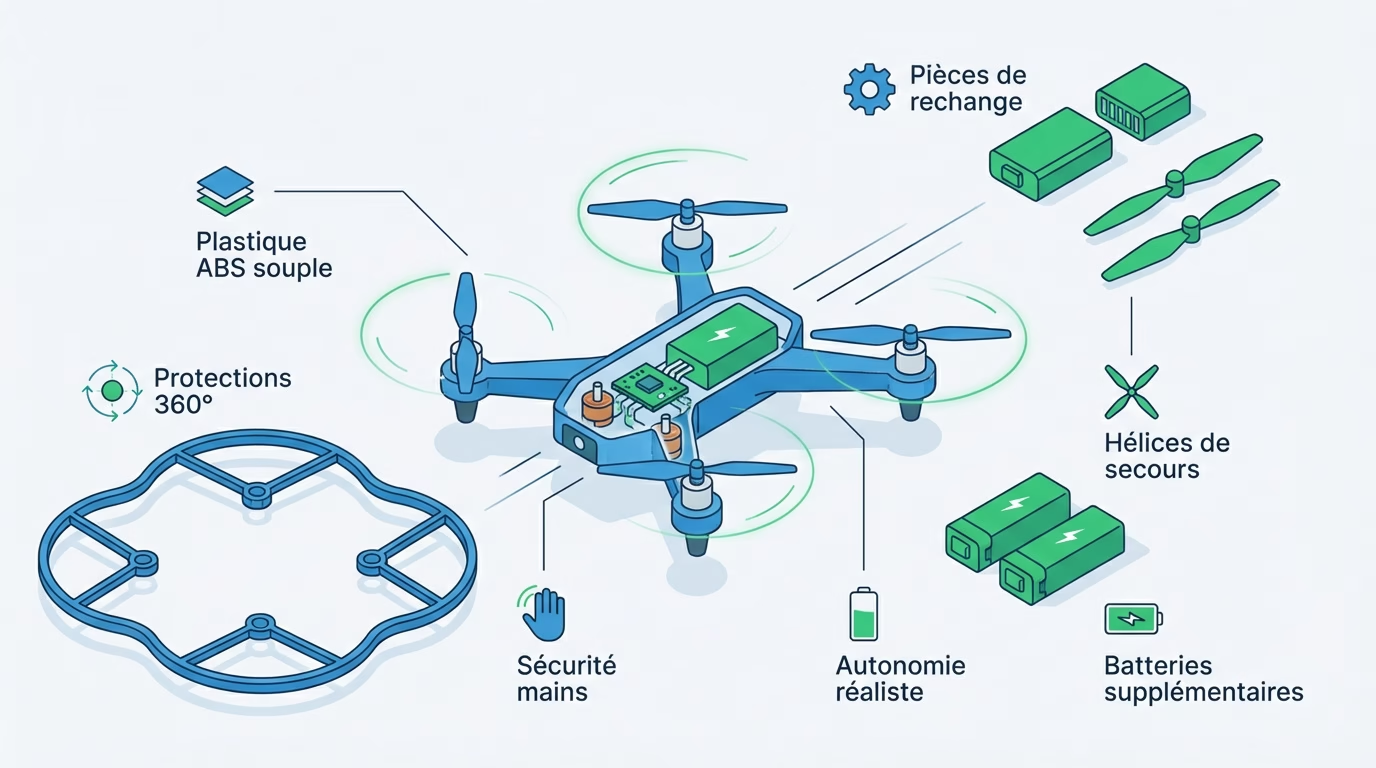
It is essential to choose a drone made of flexible ABS plastic. This material absorbs impacts without breaking, ensuring it survives the inevitable first crashes and preventing immediate disappointment.
Always check the availability of spare parts. A broken arm shouldn’t condemn the drone to the trash.
Don’t forget the spare propellers. They are often included in the original box.
Propeller guards for finger safety
For beginners, opt for 360-degree protection. These cages completely surround the rotating blades, protecting both the walls and the hands of young pilots during flights.
- Reduced risk of cuts
- Engine protection during impacts
- Increased indoor stability
This is a reassuring aspect for parents. A fully enclosed cage prevents many scares during pet flights in living rooms.
A realistic range so as not to frustrate the pilots
Carefully analyze the advertised actual flight time. Entry-level models rarely exceed seven minutes. It’s short, but sufficient for learning the basics of piloting.
We recommend buying extra batteries. Having three batteries triples your session time. The pleasure of flying then becomes much more tangible and lasting.
You can check out our guide on the actual battery life of lightweight drones . And there you have it!
Which model should be preferred depending on age and maturity?
Once the technical criteria have been validated, it is time to adapt the choice to the end user, because an eight-year-old child does not have the same expectations as a teenager.
The mini indoor drone for younger children
Ultra-lightweight models are perfect for beginners. You can easily practice between the sofa and the coffee table. Their low inertia really limits damage indoors.
The ergonomics of the remote control are paramount here. The controllers must be adapted to small hands. An intuitive grip also fosters immediate confidence in the child.
Need some advice? Choose an easy-to-fly drone for frustration-free fun.
The transition to drones with cameras for teenagers
Video feedback on smartphones is the next step for larger pilots. Seeing what the aircraft sees completely changes the flying experience. Stabilization then becomes a top priority for image quality.
A 1080p resolution is more than enough to get started. It’s perfect for sharing your first shots on social media.
You can also check out this DJI Neo 2 review to get an idea.
Distinguishing between a simple toy and real beginner equipment
It’s important to distinguish between a gadget and a product that can be upgraded. Supermarket toys often end up in the closet. A genuine, brand-name drone offers updates and better durability.
| Criteria | Toy Drone | Drone Beginner Expert |
|---|---|---|
| Repairability | None | High |
| Flight stability | Random | Assisted |
| Camera Quality | VGA | 4K |
| Price | €30 | €150+ |
Customer service makes all the difference. Choosing a recognized brand makes it very easy to find tutorials and help.
Smart features to facilitate the first takeoff
The equipment is chosen, but how can we ensure that the first flight doesn’t last three seconds? Electronic aids are there for that.
Headless mode and altitude hold
Headless mode simplifies everything. The drone always responds based on your position. You no longer need to worry about the orientation of the front of the device.
Altitude hold uses an integrated barometer. The drone remains stable at a fixed height without needing to adjust the throttle. This allows you to focus solely on steering.
It’s a valuable aid. It prevents sudden falls during the initial handling.
Learn to code with educational drones
You can discover programming with Scratch or Python. Some models allow you to define trajectories using blocks. It’s a fun introduction to computer logic.
The educational aspect is truly rewarding. The teenager is no longer just flying; he’s creating automated missions. Aerial robotics becomes a concrete tool for scientific learning.
This stimulates curiosity. Young people discover the inner workings of modern technology.
Practical exercises to coordinate your movements
Take on simple flying challenges to progress. Start with a precise takeoff and landing. Then try to draw a perfect square in the air.
Here are some ideas for practicing:
- Hovering
- The horizontal figure eight
- Passing under a chair
- Landing on a target
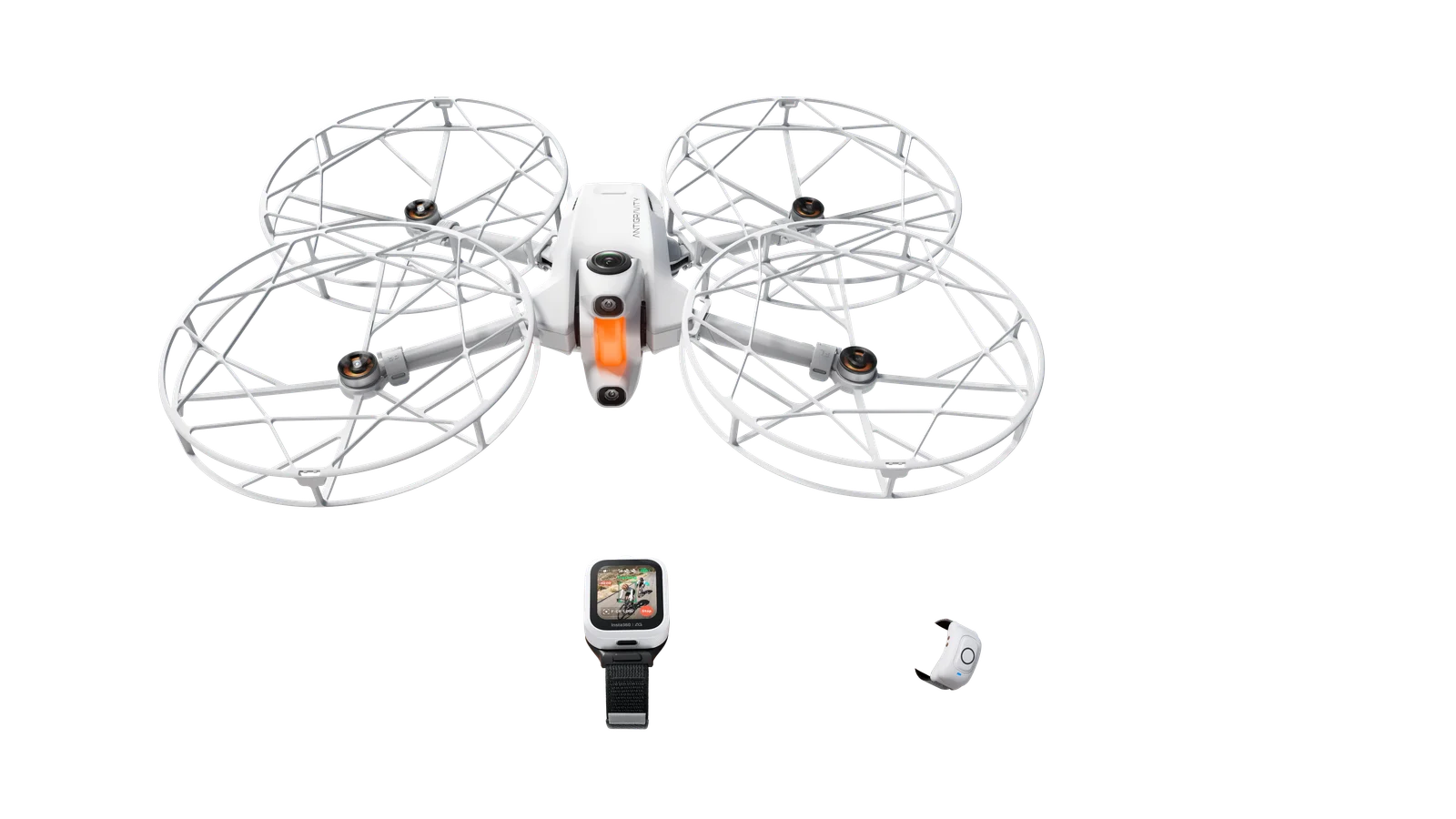
All that remains is to buy Antigravity A1 to start your exercises with reliable equipment.
Safety, flight rules and equipment maintenance
Driving is a pleasure, but it comes with legal responsibilities and some good habits to make your investment last.
What the law says about weight and permitted areas
Regulations impose strict rules. Flying over public spaces is prohibited. You must fly in your own garden or in an authorized area. Always respect your neighbors’ privacy to avoid problems.
We never go above 120 meters in height. For younger children, parental supervision is essential outdoors. It’s a matter of common sense to avoid losing control of the device.
To find out if a drone for children or teenagers (complete guide) weighing less than 250g is free of restrictions, check the local rules.
Safety always comes first. A responsible pilot is a pilot who lasts a long time.
Managing batteries and repairs after a crash
Maintaining your LiPo batteries is vital. Never leave them discharged for too long. Storing them at 50% capacity significantly extends their lifespan and prevents failures.
Anticipate repairs after a crash. Learning how to change a bent propeller is essential. This prevents putting undue stress on the engines during the next flight and protects the mechanical components.
Use a fireproof carrying bag. It’s an essential accessory for fire safety. Storing your equipment properly also prevents dust from accumulating in the drone’s sensitive components.
A well-maintained drone flies better. Take care of your machines. And there you have it!
Choose the robustness of ABS and 360° protection to guarantee the young pilot’s safety. Order extra batteries now to extend the flying fun without frustration. Finally, give them that first takeoff towards unforgettable aerial memories with a perfectly suited children’s drone.
FAQ
Is a drone for children really shock-resistant?
Yes, if you choose a model made of ABS plastic or reinforced polypropylene. These materials are selected for their high flexibility and their ability to absorb impacts without shattering. They’re ideal for withstanding slightly rough landings in the garden or unexpected encounters with the living room walls.
For maximum protection, we recommend models equipped with 360-degree propeller cages. These guards completely surround the blades, preventing damage to the equipment or cuts to your fingers. In case of a minor mishap, check that spare propellers are included in the box so you can quickly get back in the air.
How long can you fly with a single battery?
On beginner models or mini-drones, the actual battery life is generally around 7 to 8 minutes. This may seem short, but it’s the time needed to stay focused while learning the basics of piloting. Charging time is then approximately 30 minutes to fully recharge the battery.
To avoid interrupting your teen’s fun, the trick is to use multiple batteries. With three charged batteries, you can triple the session time and enjoy over 20 minutes of playtime. It’s an essential investment to avoid the frustration of having to stop too soon.
What exactly is headless mode for beginners?
It’s a fantastic electronic aid that simplifies everything! Normally, you need to know where the front of the drone is to steer it. With headless mode, you forget about that constraint: if you push the controller forward, the drone moves away from you, regardless of which way it’s facing. It’s much more intuitive for learning without getting confused.
This function is often paired with altitude hold. Thanks to a barometric sensor, the drone remains stable at a fixed height on its own. You no longer need to constantly adjust the throttle to prevent it from falling, allowing you to focus solely on direction and flight paths.
What are the important safety rules for a young pilot?
Even for a lightweight drone, there are rules to follow to ensure flying remains enjoyable. Never fly over public spaces or passersby, and stay within the boundaries of your garden or private property. Respect your neighbors’ privacy and do not exceed a flight altitude of 120 meters.
For younger children, adult supervision is strongly recommended, especially outdoors. Remember to properly maintain your equipment: never leave your LiPo batteries completely discharged for extended periods and use a fireproof carrying case to store them safely. A well-maintained drone is a drone that flies longer!
Can you learn to program with these devices?
Absolutely, some educational drones are true teaching tools. Instead of simply piloting them with a controller, you can use simple languages like Scratch or Python to create automated missions. You define command blocks so the drone follows a precise path on its own.
It’s an excellent way for a teenager to discover computer logic and robotics in a hands-on way. It’s not just about playing; it’s about learning to master the technology of tomorrow while having fun in the air.