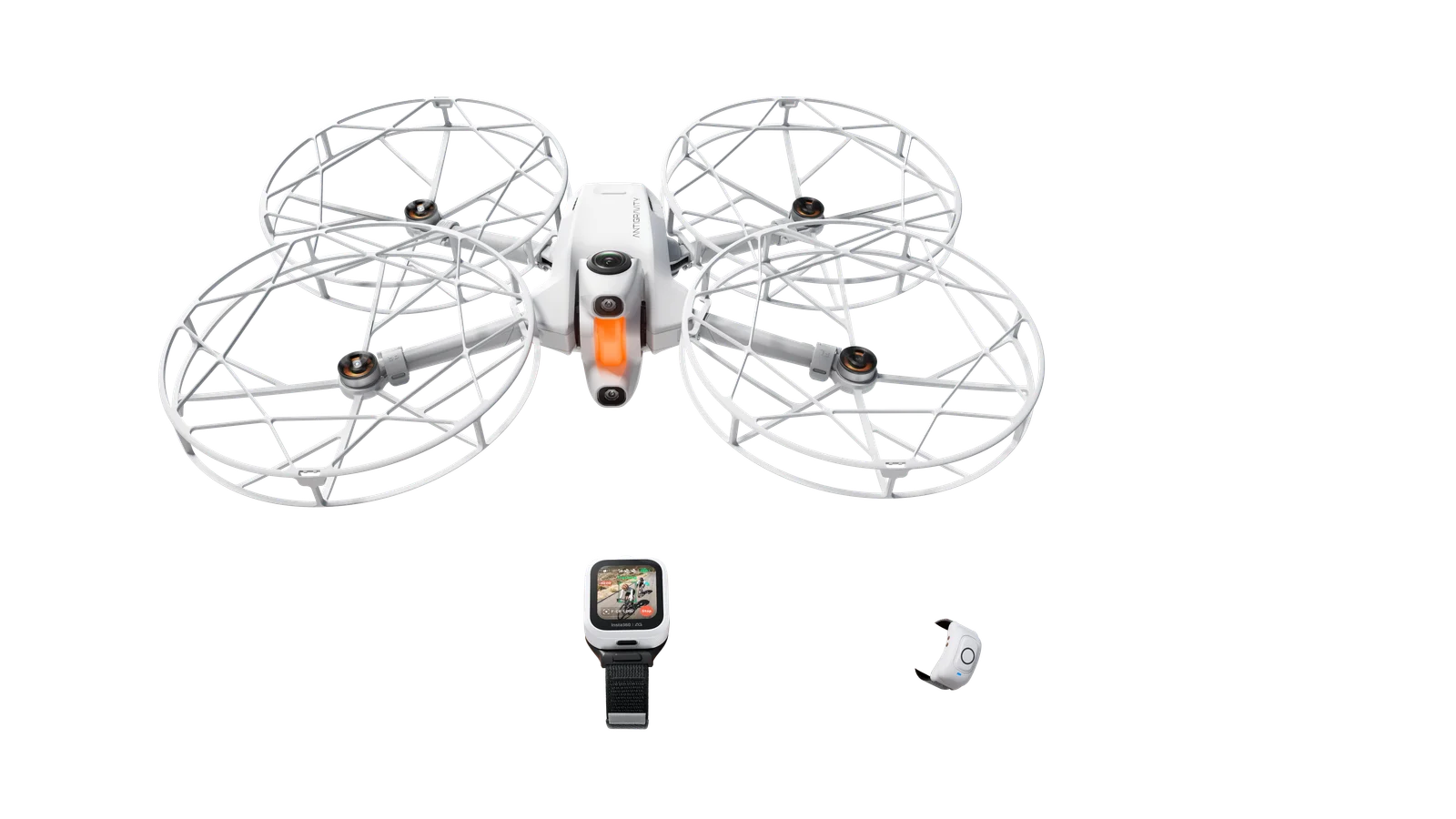
In Côte d’Ivoire, legislation regarding drone use is a constantly evolving field. This article aims to provide an overview of the main regulations in force and important considerations for drone users.
General Regulatory Context
Drone legislation in Côte d’Ivoire is primarily overseen by the National Civil Aviation Authority (ANAC). ANAC is responsible for the regulation , monitoring , and control of civil aviation, including the use of drones.
Main Regulations and Requirements
Here are the main requirements and regulations that are often applied:
- Drone registration: Drones generally need to be registered with the ANAC (French National Civil Aviation Authority). Registration procedures may vary depending on the type of drone and its intended use.
- Flight authorizations: Specific flight authorizations are generally required before conducting aerial operations with a drone. This involves submitting a flight plan to the ANAC (National Civil Aviation Authority), detailing the flight zones, times, nature of the operation, and planned safety measures.
- Flight zone restrictions: There are areas where drone flights are strictly prohibited or subject to specific restrictions. These areas include, but are not limited to, airports, military zones, government buildings, and densely populated areas.
- Pilot training and certification: ANAC may require training and certification for drone pilots, depending on the type of operation and the weight of the drone.
- Insurance: Liability insurance may be required to cover any damage caused by the drone.
- Respect for privacy: Drone users must comply with privacy laws and avoid collecting personal data without consent.
Flight Authorization Procedure (example)
Let’s take the example of the flight authorization procedure. In reality, the procedure **is subject** to potential changes. The general information is as follows:
- Application Submission: A flight request must be **submitted** to ANAC, including detailed information on the drone, the operation, and the flight plan.
- Assessment: The application **is assessed** by the ANAC, which examines safety aspects, potential risks and compliance with regulations.
- Authorization: If the application is approved , a flight authorization is issued . The authorization may include specific conditions.
- Operations: Operations must **be carried out** in accordance with the authorization and applicable regulations.
Note that the sentences above are in the passive voice. Here is an example of rewriting one of them in the active voice:
Passive sentence: The application **is being assessed** by the ANAC.
Active sentence: ANAC **evaluates** the demand.
Important Considerations
- Regular updates: Regulations may change regularly. It is therefore essential to consult the latest information with the ANAC.
- Collaboration with local authorities: It may be necessary to collaborate with local authorities to obtain additional permits or to comply with regulations specific to a given area.
- Safety: Safety must always be the priority. Drone users must operate responsibly and comply with aviation safety regulations.
Conclusion
The use of drones in Côte d’Ivoire is governed by specific legislation designed to ensure safety and regulate the operation of these devices. It is crucial to stay informed of the latest regulations from the ANAC (National Civil Aviation Authority) and to comply with the applicable requirements to operate legally and safely.