
Turkey, with its breathtaking landscapes ranging from the fairy chimneys of Cappadocia to the turquoise shores of the Mediterranean, is a dream destination for photographers and videographers. The desire to capture these wonders from the sky with a drone is strong, but it is crucial to be aware of the strict regulations governing their use. Flying without respecting the law can result in hefty fines and the confiscation of your equipment.
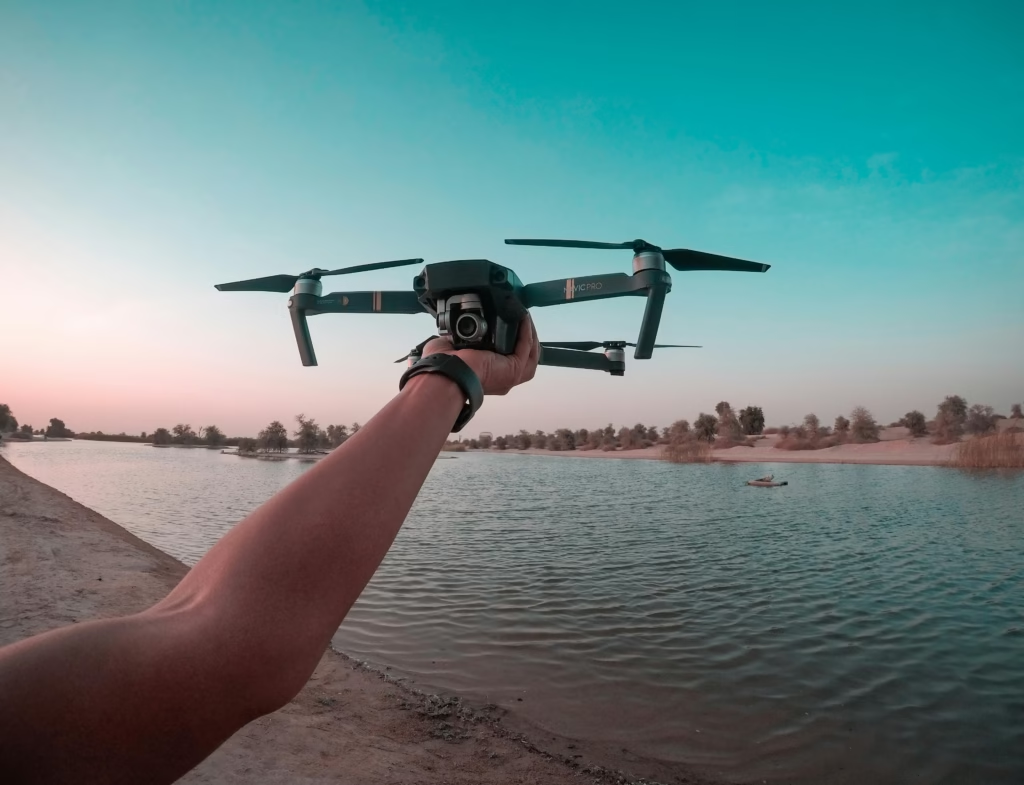
The Competent Authority: The DGCA (SHGM)
The authority that regulates drone use in Turkey is the Directorate General of Civil Aviation (DGCA), known locally as Sivil Havacılık Genel Müdürlüğü (SHGM). All rules, registrations, and permits are processed through this entity. It is essential to consult their official website for the most up-to-date information before your departure.
Registration: A Mandatory Step
This is the most important point to remember: almost all drones must be registered. The main rule is that any drone weighing 500 grams or more must be registered with the SHGM.
- For Turkish residents: Registration is done online via a dedicated portal, requiring a Turkish national identification number.
- For tourists and foreigners: This is where the procedure becomes complicated. The online system is difficult to access without residency in Turkey. It is often necessary to go through a Turkish entity or company to register on your behalf. Entering the country with a drone weighing more than 500g is strongly discouraged without having clarified this procedure beforehand. Drones are frequently inspected and detained at customs if they are not accompanied by the correct documentation.
Drones weighing less than 500g are generally exempt from this registration requirement, but must still comply with all other flight rules.
Drone Categories in Türkiye
SHGM classifies drones (called IHA in Turkish) into several categories according to their maximum takeoff weight:
- IHA0: 500 g to 4 kg
- IHA1: 4 kg to 25 kg
- IHA2: 25 kg to 150 kg
- IHA3: Over 150 kg
The majority of recreational drones (like those in the DJI Mavic, Mini or Air series) fall into the IHA0 or IHA1 category.
General Flight Rules to be Observed
Once your drone is registered (if necessary), you must comply with strict flight rules to ensure everyone’s safety:
- Visual line of sight flight: You must always keep your drone in direct visual contact (VLOS – Visual Line of Sight).
- Maximum altitude: Do not exceed 120 meters (approximately 400 feet) above the ground.
- Flight times: Flights are only permitted during the day, from sunrise to sunset.
- Safety distance: It is forbidden to fly over people or crowds. Maintain a safe horizontal distance.
- Respect for privacy: Do not film people and private property without their explicit consent.
No-Fly Zones
Turkey has numerous areas where drone flights are strictly prohibited . These areas are actively monitored and violations are severely punished. They include:
- Near airports (usually within a 9 km radius).
- Military zones and strategic bases.
- Government buildings and prisons.
- Major historical and archaeological sites (such as Ephesus, Göbekli Tepe, etc.) are not accessible except with special permission, which is very difficult to obtain.
- Some national parks and nature reserves.
Conclusion: Caution and Preparation
Flying a drone in Turkey is possible but requires careful preparation. The legislation is designed to ensure safety and protect sensitive sites. The main obstacle for travelers is the registration procedure for drones weighing over 500g. If you have a lighter drone, the requirements are less stringent, but the flight rules remain the same. Before packing your drone, do your research, prepare your documents, and if in doubt, prioritize safety by leaving your drone on the ground.




Leave a Reply