
The Rode NT1 Signature Series is easy to pitch on paper: very low self-noise, a clean kit in the box and a price that still feels reachable for creators building a home setup. The real question is simpler: is it the right microphone for your voice, your room and your workflow?
Quick verdict: the NT1 Signature is a very smart buy if you record in a reasonably controlled room and want a clear, detailed condenser mic without jumping straight to premium studio pricing. It is less forgiving in a bad room than a dynamic mic like the SM7B.
What the Rode NT1 Signature does really well
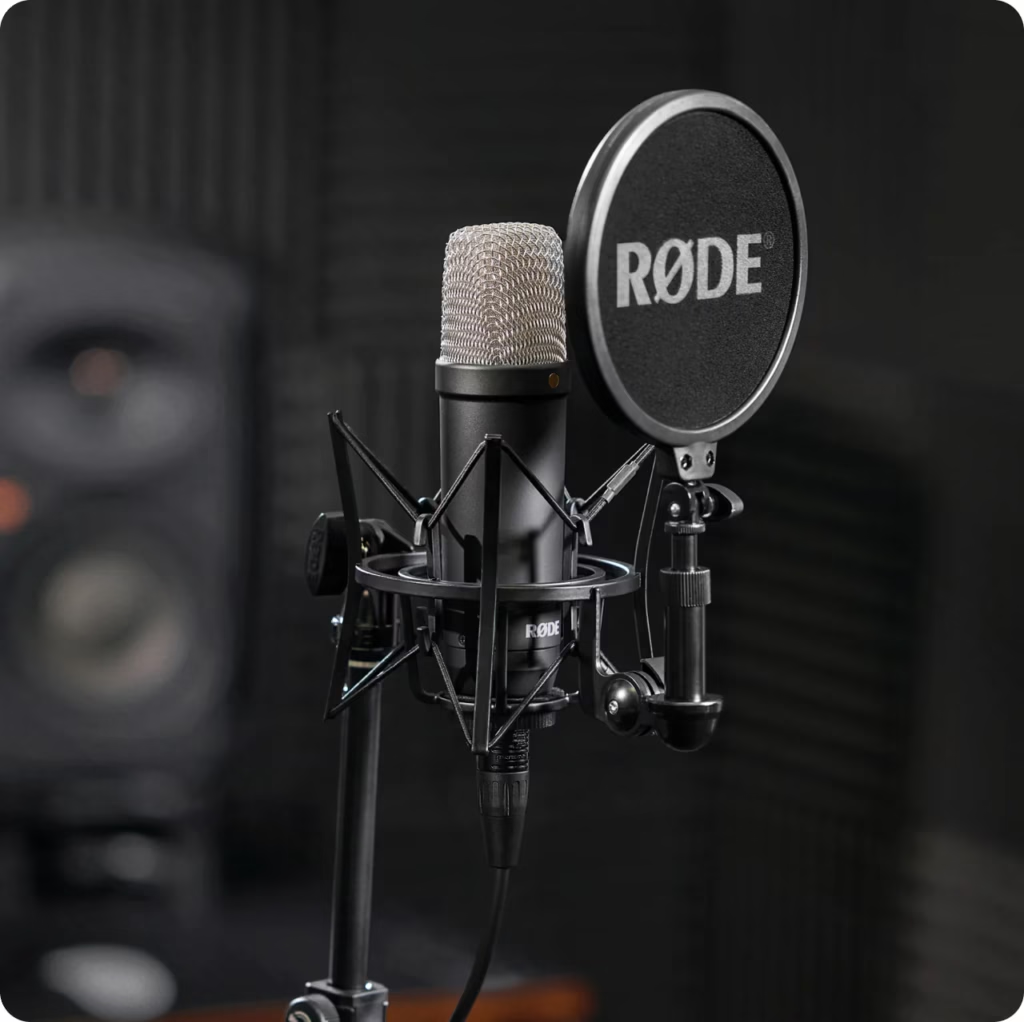
The strongest argument for this mic is how clean it sounds without forcing you into a very expensive chain. The noise floor is impressively low, the detail level is high and the included accessories make the initial setup painless. For voice-over, podcasting, acoustic instruments and careful YouTube recording, it feels immediately serious.
- Very low self-noise for spoken voice and detailed takes.
- A complete bundle: pop filter, shock mount and XLR cable help you start quickly.
- A sound signature that is clear enough for content work without sounding sterile.
- Good value for creators moving from USB mics to a first XLR setup.
What you should know before buying it
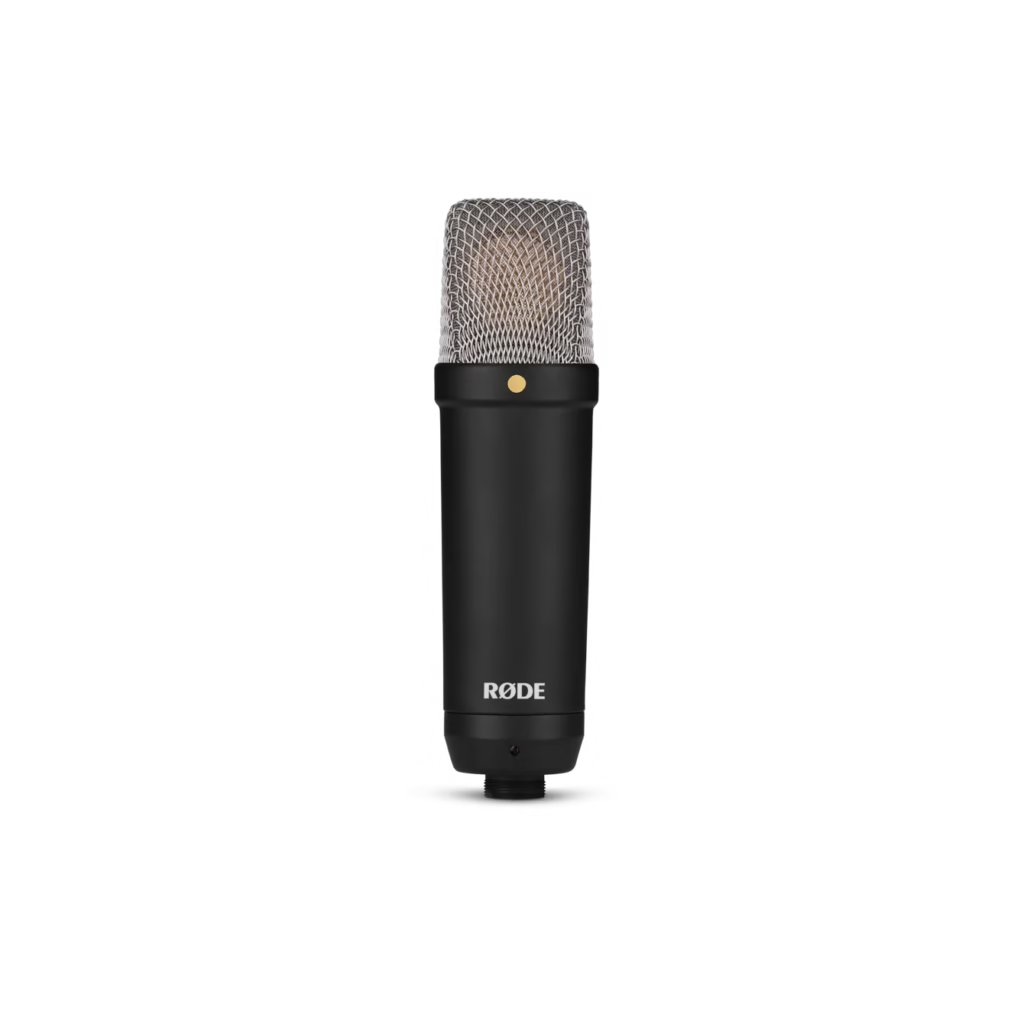
Like most condenser microphones, the NT1 is honest. That is great when your room is treated or at least fairly quiet. It is less great if you record next to a loud street, a fan-heavy computer or hard walls that throw reflections back into the mic. In other words, the microphone is strong, but your environment still matters a lot.
| Point to check | Why it matters |
|---|---|
| Room echo | A detailed condenser captures room reflections quickly. |
| Audio interface | You need a proper XLR interface with stable phantom power. |
| Mic distance | A good position helps you avoid harsh plosives and uneven tone. |
| Recording style | For whispery voice-over it shines; for untreated livestream rooms, a dynamic mic may be easier. |
How it behaves for typical creator use cases
Podcast and talking-head videos
If your room is decent, the NT1 gives you a polished voice quickly. Speech feels precise and intimate, which is exactly why so many creators look at it.
Music and instruments
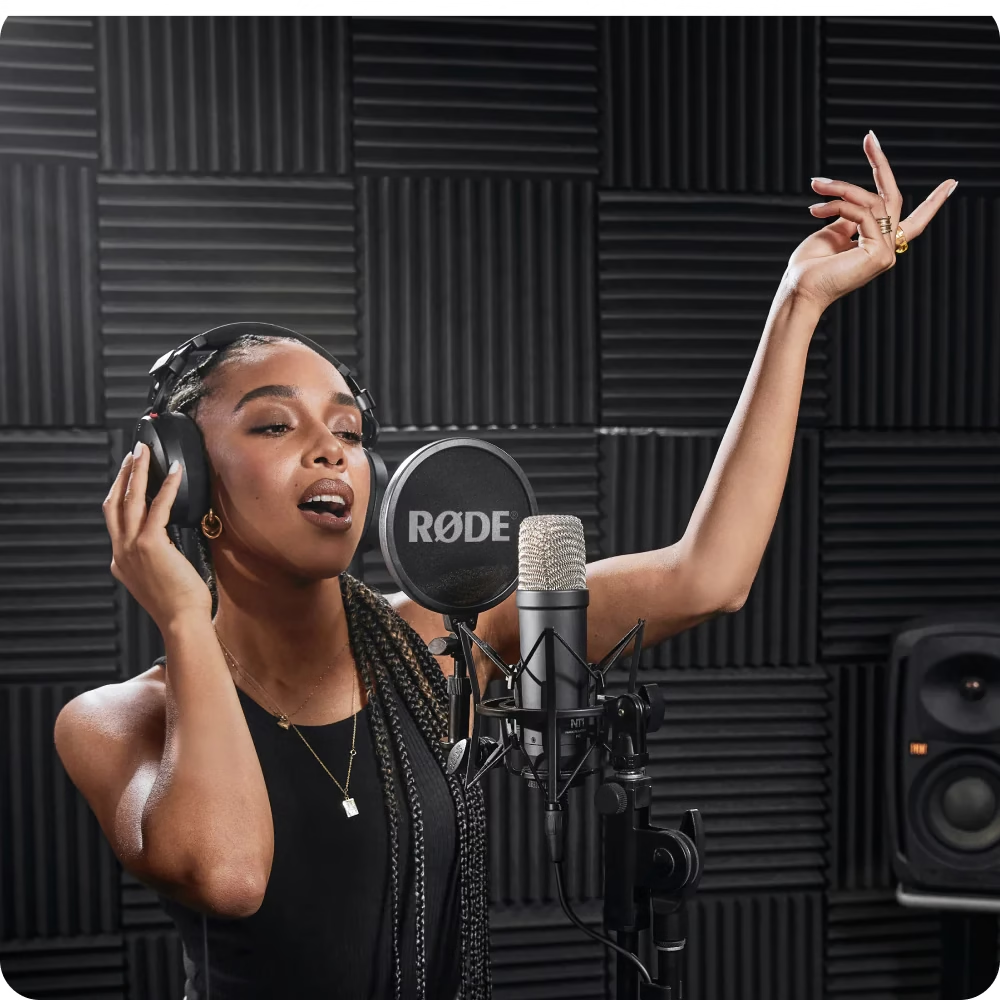
For guitar, vocals and other detail-rich sources, it remains one of the easiest recommendations in its price band. It sounds mature enough that you do not feel like you are outgrowing it immediately.
Streams in noisy rooms
That is where I would hesitate. Not because the mic is bad, but because it can be too revealing. If your environment is messy, a dynamic alternative may save you more frustration.
NT1 Signature vs common alternatives
| Alternative | Why choose it instead | Why still pick the NT1 Signature |
|---|---|---|
| Shure SM7B | Better for untreated rooms and loud environments | The NT1 is cheaper to enter and often sounds more open straight away. |
| Audio-Technica AT2035 | Good budget condenser option | The Rode bundle and low-noise reputation remain very attractive. |
| Rode NT1 5th Gen | Modern connectivity options | The Signature is simpler and often better value if you only need XLR. |

Should creators buy it?
Yes, if you want a serious XLR microphone for voice, podcasting or music and you can give it a half-decent recording space. No, if you hope it will magically fix a bad room. That distinction matters more than spec sheets.
FAQ
Is the Rode NT1 Signature good for YouTube voice-over?
Yes. It is one of the best reasons to buy it, provided your room does not sound too live.
Do you need an audio interface?
Yes. This is an XLR microphone, so plan for an interface with phantom power.
Would I choose it over a USB mic?
If you care about long-term audio quality and want to upgrade your chain over time, yes. It is a more durable path.
Related reads: Rode Lavalier II review, Rode PodMic USB review and Rode Procaster review.








Leave a Reply