This site participates in the Amazon Associates Program. The links present are affiliate links: if you purchase through these links, it does not change anything for you but supports the creation of content. Thank you!
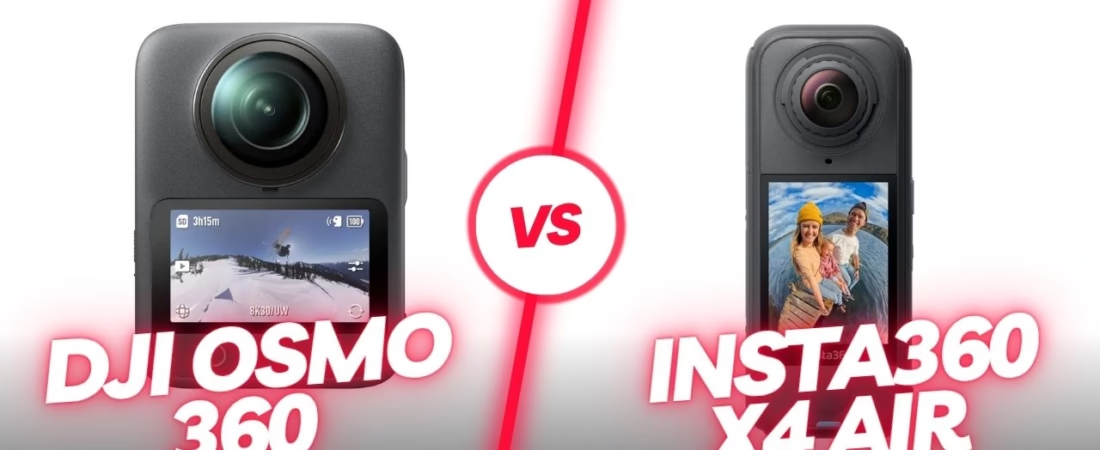
Insta360 X4 Air vs DJI Osmo 360: Which 360 camera should you choose?
Insta360 X4 Air vs DJI Osmo 360: An 8K battle between lightness and power
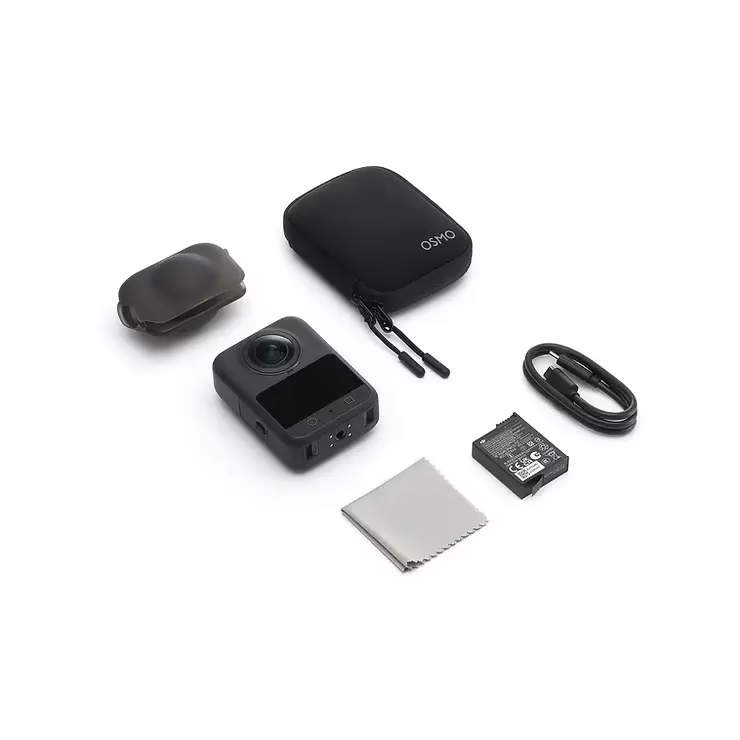
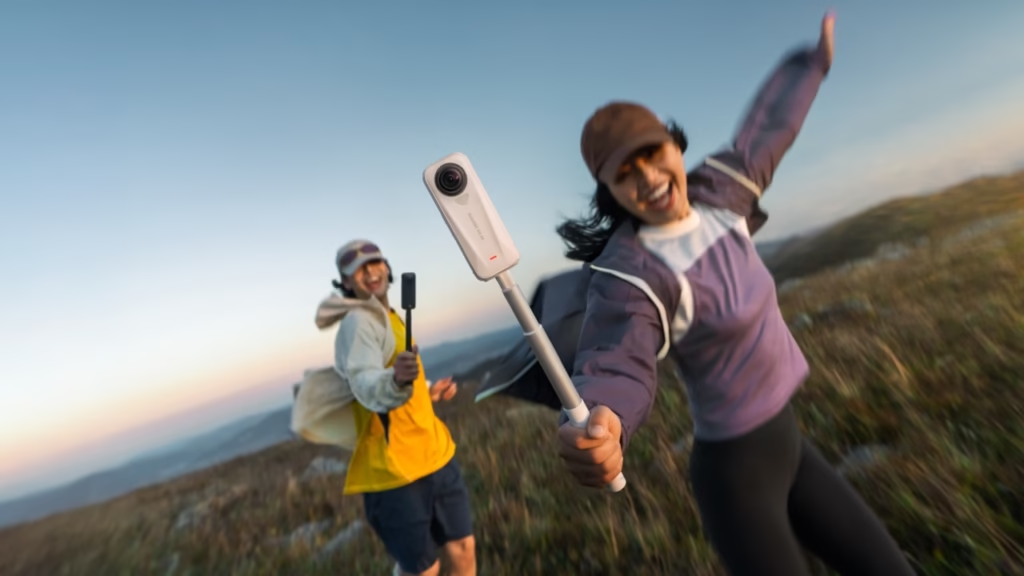
The 360° camera market is more exciting than ever. On one side, the Insta360 X4 Air , the lightest 8K camera ever designed by Insta360, conceived for everyday travelers, vloggers and creators. On the other hand, there’s the DJI Osmo 360 , DJI’s first 360° camera, which arrives with larger sensors, better dynamic range and impressive battery life.
But which one really deserves a place in your designer bag? We compared them point by point.
🧠 Design and portability: one for lightness, the other for robustness
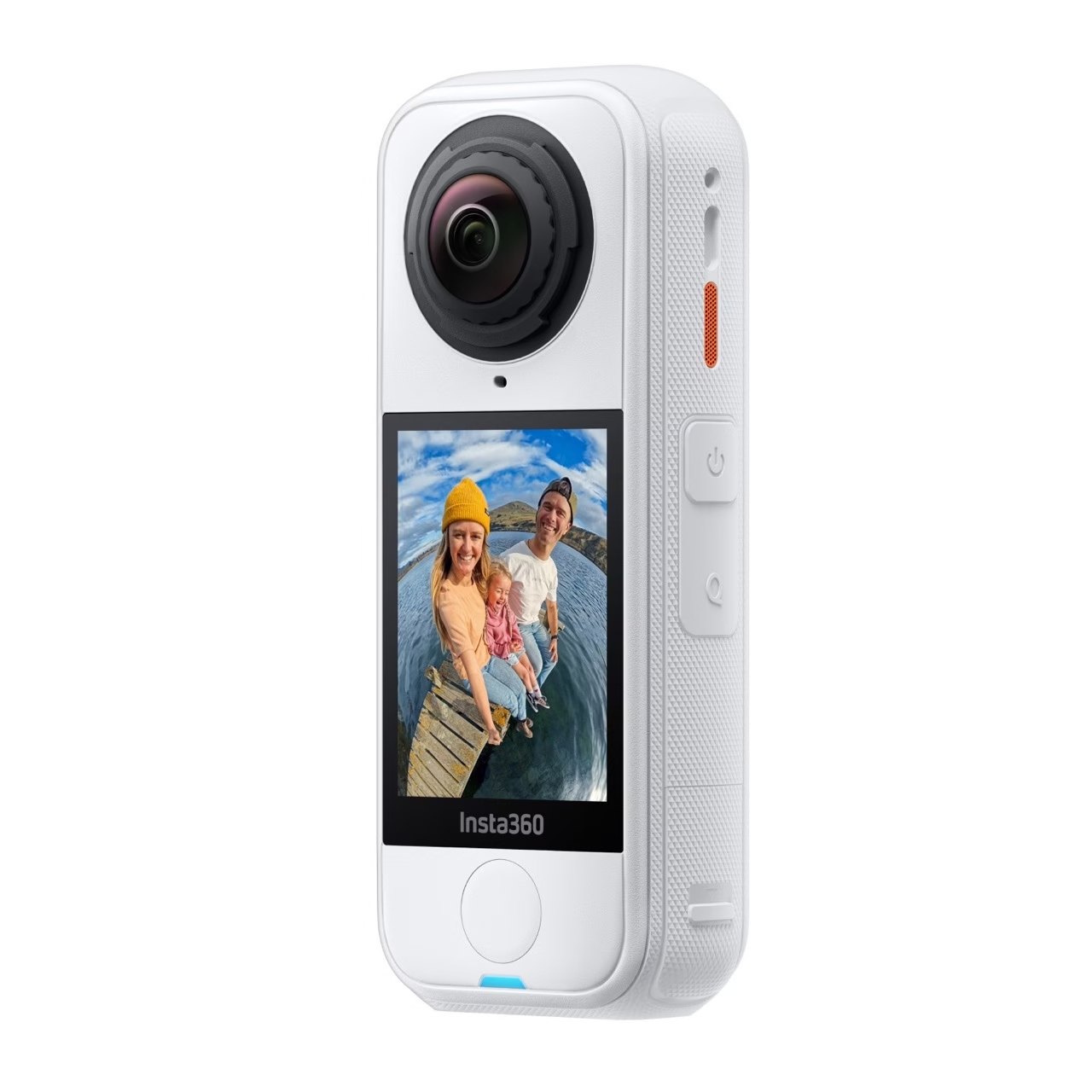
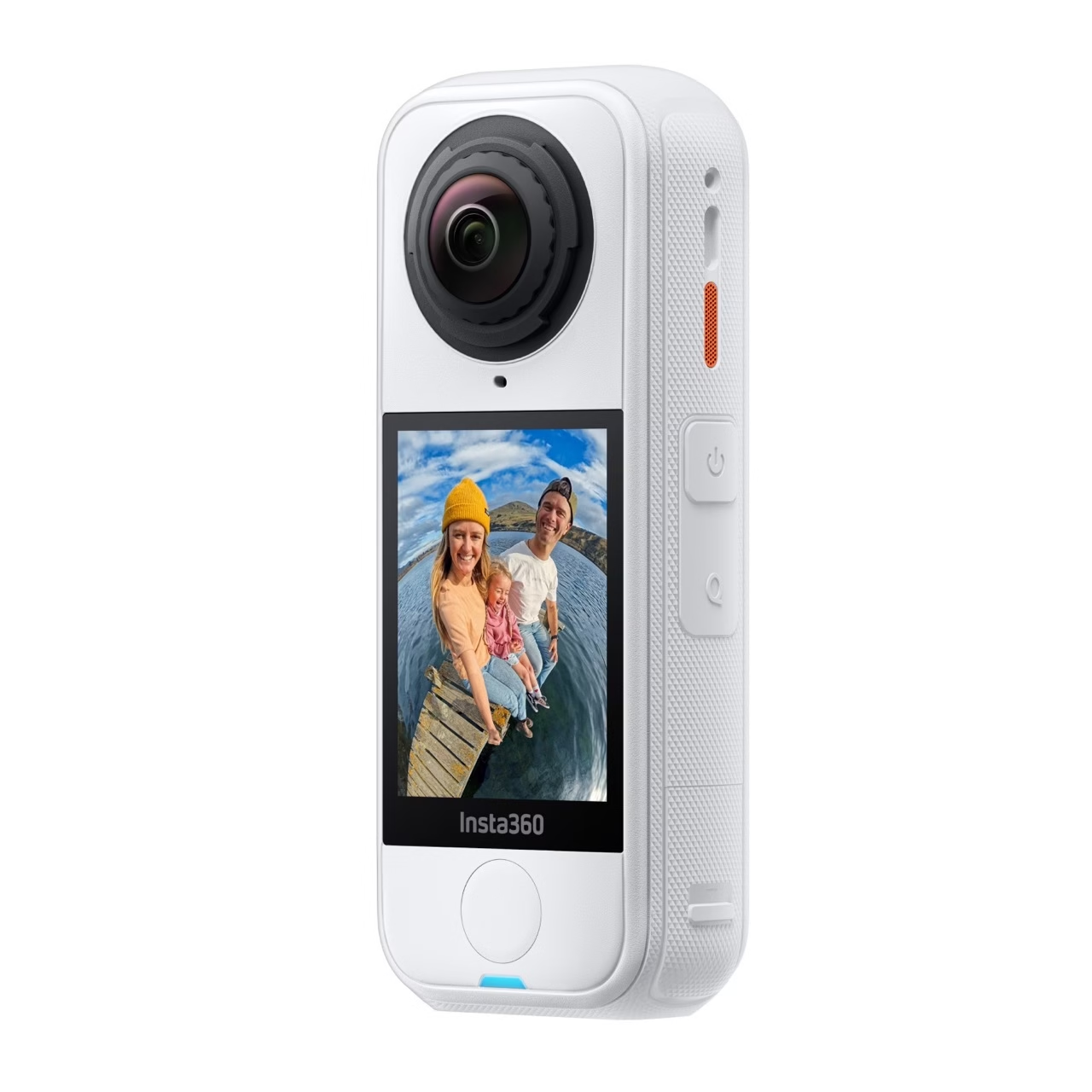
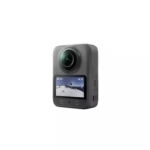
The Insta360 X4 Air weighs barely 165g , the equivalent of a smartphone. Its compact size, two colors (graphite black or arctic white) and replaceable lenses make it a camera designed for light, stress-free movement.
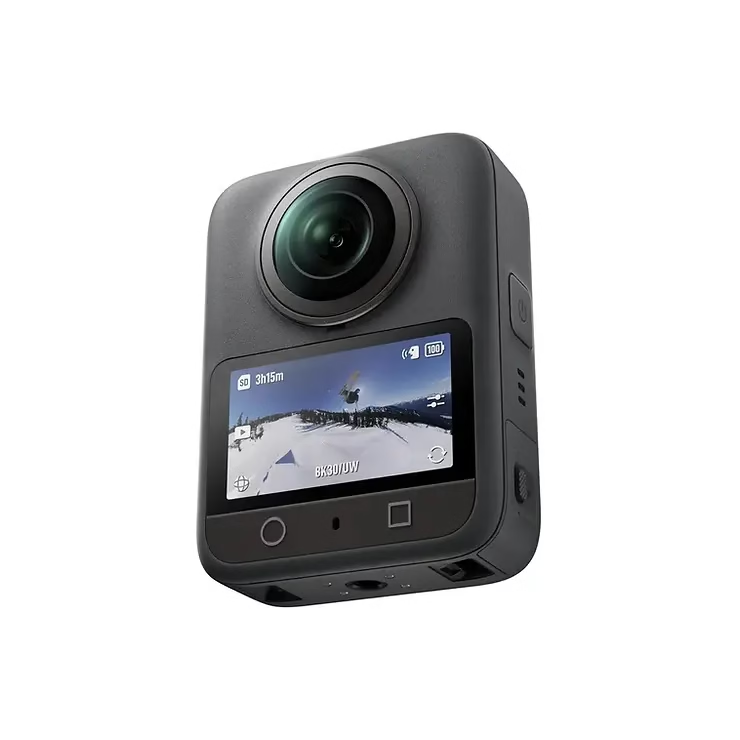
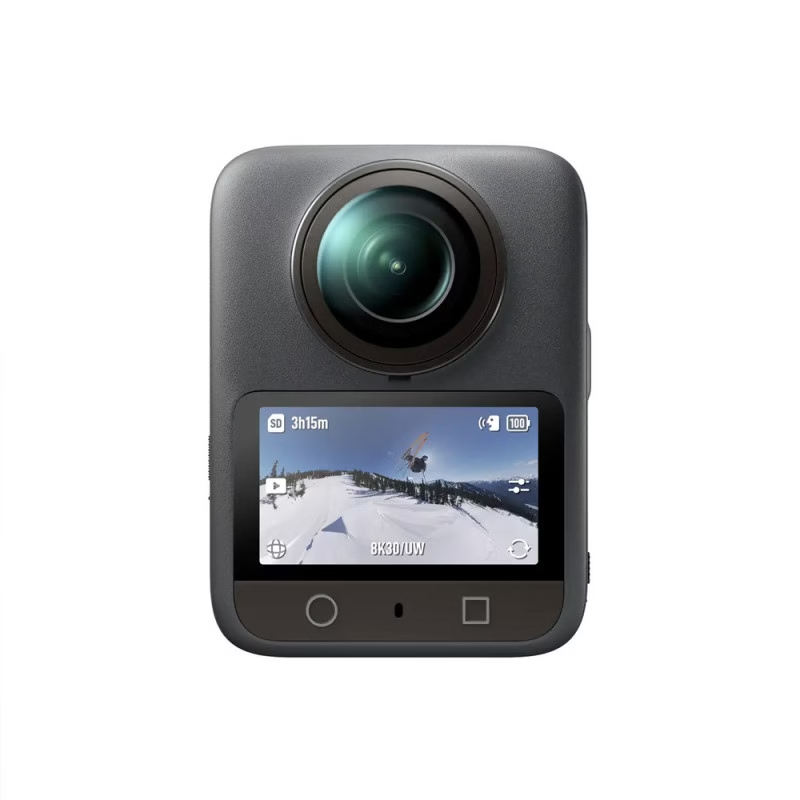
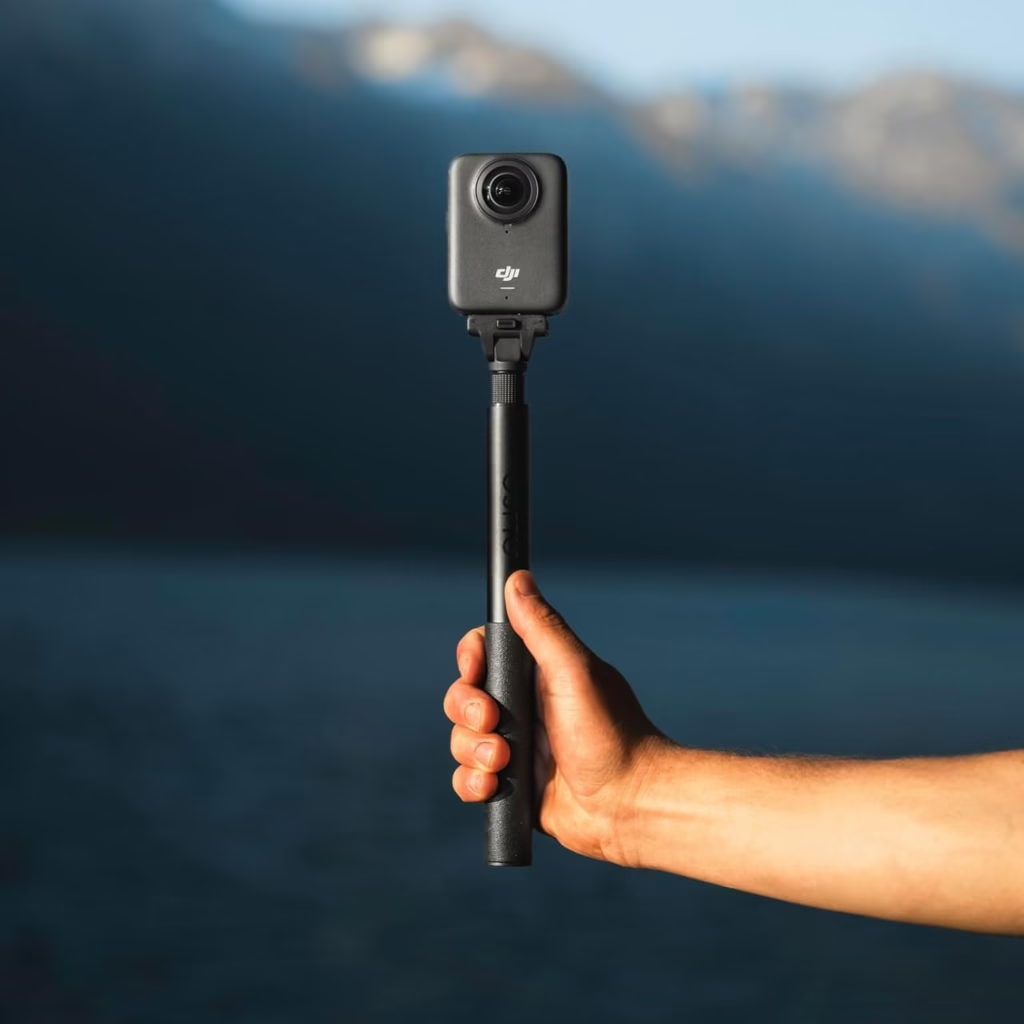
In contrast, the DJI Osmo 360 weighs 183g . It relies on a solid chassis with a “quick-release” magnetic system, perfect for quick setups on tripods, helmets or vehicles. Less discreet, but ultra-reliable for demanding outdoor shoots.
💡 If you want a camera that you can slip into your pocket, the X4 Air is unbeatable.
Pour la fluidité pro & la post-prod colorimétrique avancée.
📷 Sensors and image quality: DJI precision or Insta360 naturalness?
The Insta360 X4 Air features two 1/1.8″ sensors with an f/1.9 aperture. It films in 8K at 30 frames per second , with the new AdaptiveTone algorithm, which automatically balances highlights and shadows. The colours are natural, the skin tones are soft and the rendering is very realistic without post-processing.
The DJI Osmo 360 goes further: two 1/1.1″ sensors , still at f/1.9, capable of filming in 8K at 50 fps and even in 6K at 60 fps . It offers a 10-bit D-Log M profile, ideal for videographers who want a cinematic look and to work on colors in post-production.
🎥 In summary: DJI surpasses in pure precision, but Insta360 offers a ready-to-share result without complex editing.
At night, the DJI Osmo 360 dominates thanks to its larger sensors and a dynamic range measured at 13.5 stops . Its ISO goes up to 51,200, and details remain sharp even in dark conditions.
The Insta360 X4 Air performs admirably thanks to its AI noise reduction and AdaptiveTone, but the images are softer and less detailed than those of the DJI.
🎬 Stabilization and fluidity: two queens of stability
Both cameras excel in this area:
Insta360 X4 Air : FlowState stabilization + 360° horizon lock , even in 8K.
DJI Osmo 360 : RockSteady 3.0 + HorizonSteady , inherited from the Osmo Action range.
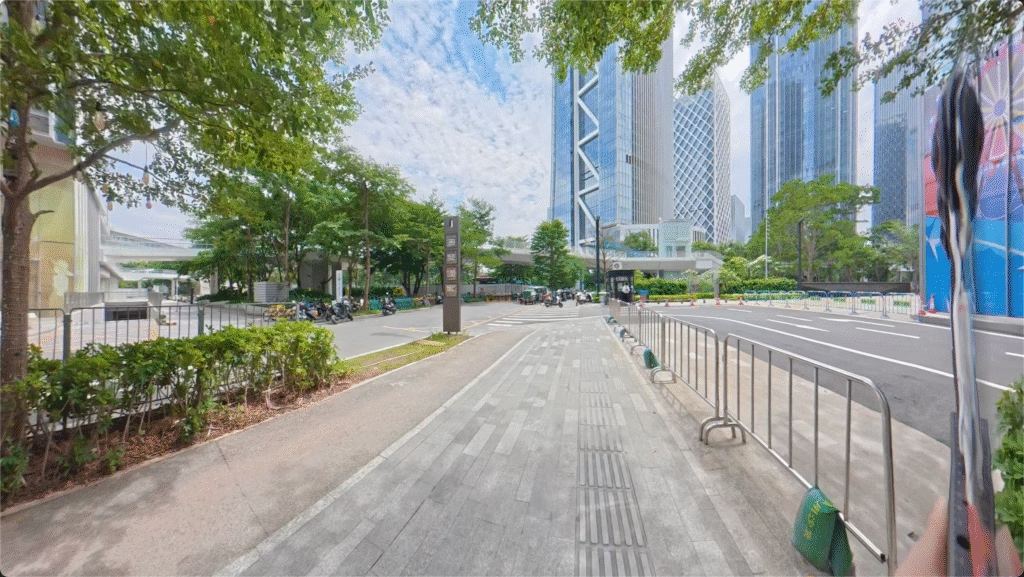
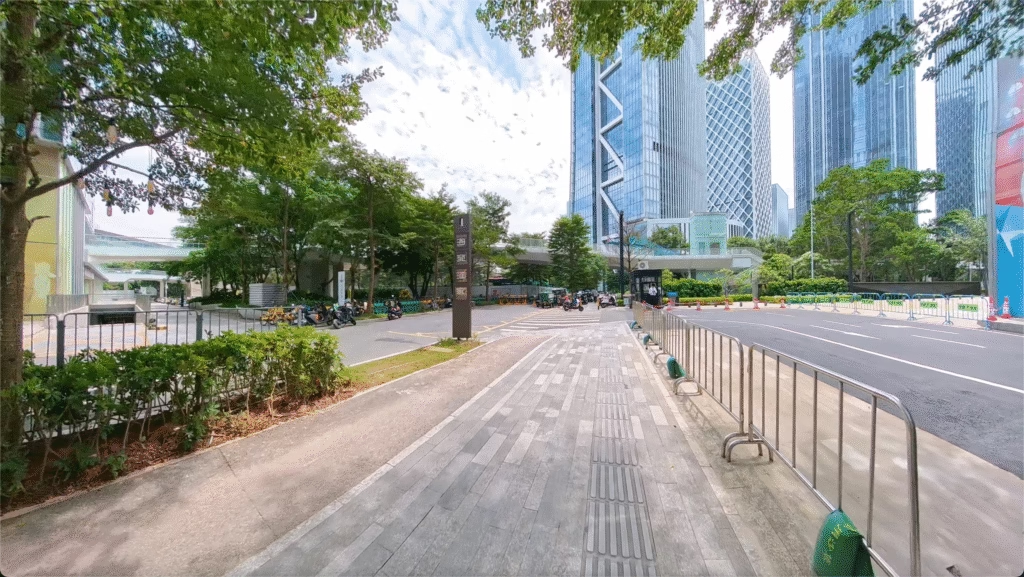
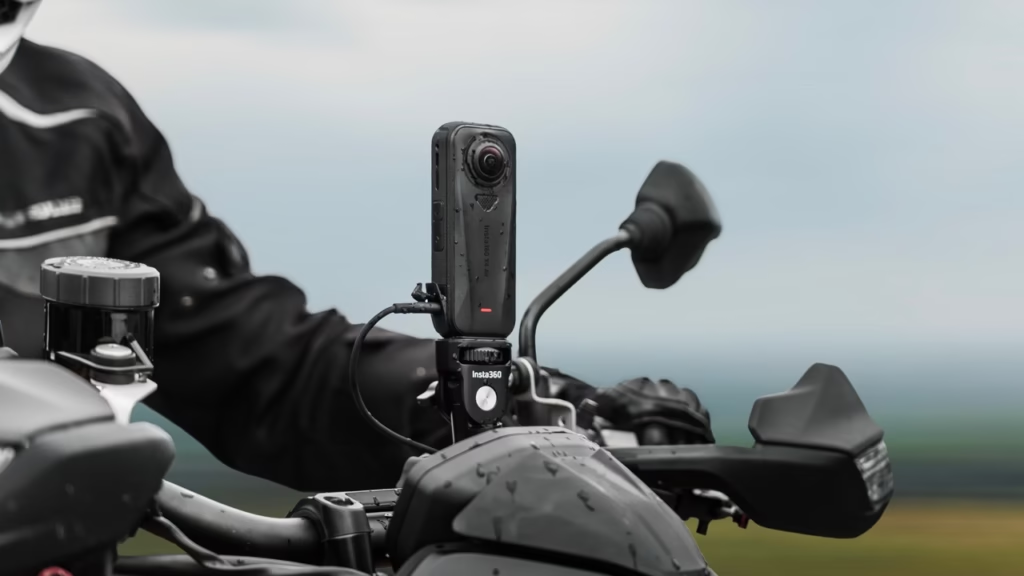
Whether on a bicycle, a motorcycle, or even while running, both provide spectacular fluidity. The difference lies in the frame rate: 8K at 30 fps for Insta360 versus 8K at 50 fps for DJI.
The Insta360 X4 Air features 4 built-in microphones and an internal windscreen , ensuring clear sound even outdoors. It is compatible with the Mic Air for cleaner vlogs.
The DJI Osmo 360 also offers 4 microphones, but with active noise reduction and DJI Mic Mini compatibility . The sound is more “professional”, with better spatialization.
Those who want total color control and long shoots.
Users already in the DJI ecosystem.
✈️ Travel, vlog, lightness → X4 Air 🎬 Professional production, power → DJI Osmo 360
🤔 And you, which one would you choose to film your next trip?
Let me know in the comments: do you prefer the portability of the X4 Air or the raw power of the DJI Osmo 360? And if you want to take advantage of the current offer, check out the Insta360 X4 Air here .
Entrepreneur du web et créateur de contenu passionné par le voyage, la photo et la vidéo. Partage conseils, tests et bons plans pour aider à vivre pleinement ses passions.



Leave a Reply