
Affiliate note: Some links in this article are affiliate links. If you use them, I may earn a commission at no extra cost to you.
The Sony FX30 has a huge advantage: it lets you build a serious video setup without starting with an overly bulky body. The trap is buying accessories in the wrong order. If you want to kit out a Sony FX30 with SmallRig properly, my advice is simple: start with the cage, then the handle that genuinely improves comfort, then the quick-release plate that speeds up your whole workflow.
This approach keeps you from turning the FX30 into an overly heavy rig. More importantly, it helps you get a cleaner setup that’s faster to use and nicer day to day—whether you’re shooting solo, on a tripod, or in run-and-gun mode.
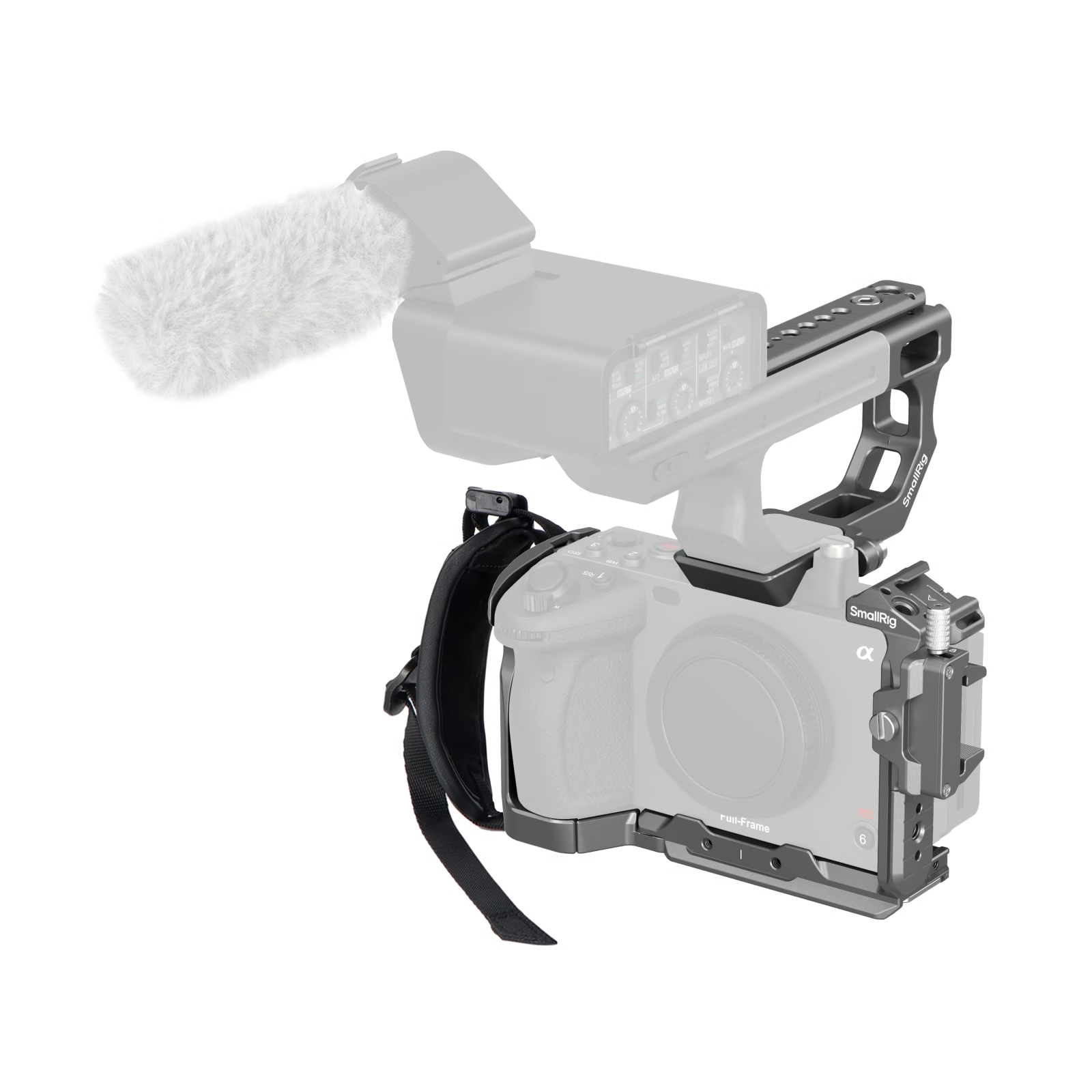
1. Start with the right base: full cage or half cage?
On an FX30, the cage remains the central piece. It’s what gives you mounting points, protects the body a bit better, and sets the stage for everything else. The right choice mainly depends on how you actually shoot:
- full cage if you often add a mic, monitor, handle, or SSD;
- half cage if you want to keep a more compact setup, especially for gimbal work or lightweight shooting;
- advanced kit if you want to avoid scattered purchases and start straight away with a more serious base.
If you’re mainly hesitating between several cages made for the FX3 / FX30 duo, also check out our comparison of SmallRig cages for Sony FX3 and FX30. The idea here isn’t to redo the same matchup, but to help you build a coherent setup.
2. The useful handle isn’t the one that looks “pro”: it’s the one that tires you out less
A lot of creators add a handle too early—or, on the contrary, too late. In practice, it’s often the second most worthwhile purchase after the cage. A good handle improves grip, low-angle shots, and comfort on long takes.
On an FX30, I see three simple cases:
- top handle if you often shoot low angles, on the move, or with a small monitor;
- side handle if you do a lot of handheld shots and want a more stable rig;
- no handle at first if you mostly shoot on a tripod or if your main goal is to keep the setup very light.
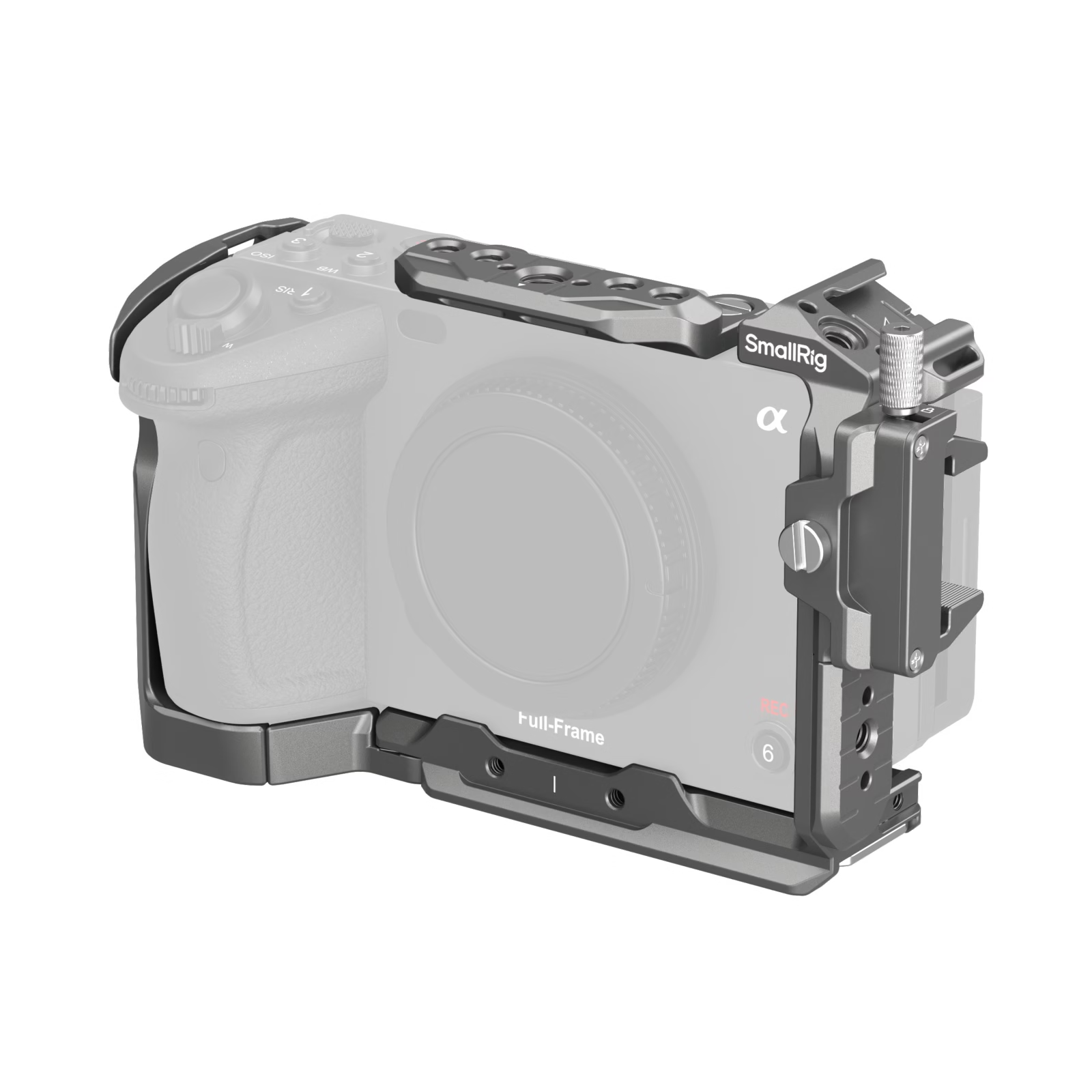
If you’re coming from a more compact body, you can also compare this approach with our SmallRig setup for Sony A7C: on the FX30, you accept a bit more rigging, but the idea stays the same—every accessory should serve the shoot, not just fill up the cage.
3. The quick-release plate: the underrated accessory that saves you time on every shoot
The cage and handle make the rig nicer to use. The quick-release plate, on the other hand, makes the workflow smoother. And it’s often what’s missing when you go from desk to field: you want to go from tripod to gimbal, then back to a locked-off shot, without taking everything apart or losing your balance.
That’s exactly where SmallRig’s HawkLock / quick release ecosystem gets interesting. If you sometimes shoot with a stabilizer, also read our guide to SmallRig accessories for DJI RS 4: the logic is the same—save time on transitions instead of stacking up extra steps.
- very useful if you alternate between tripod, handheld, and gimbal;
- useful if you often take your setup apart for transport;
- less of a priority if your FX30 almost always stays set up the same way.
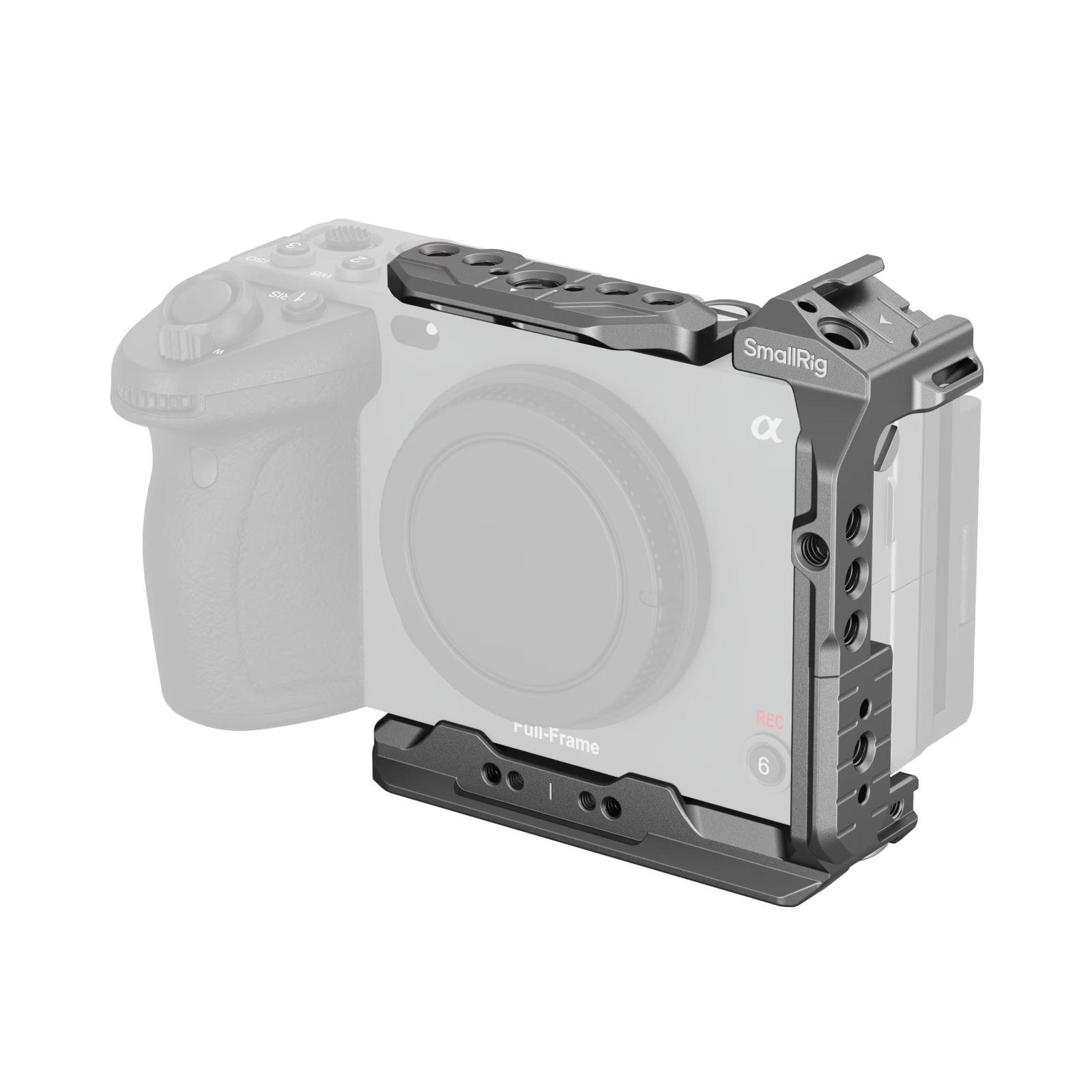
4. My recommended SmallRig setup based on how you use the Sony FX30
| Use | Recommended setup | Why |
|---|---|---|
| Run and gun / lightweight documentary | HawkLock advanced kit 4771 + suitable handle | The most scalable base if you already know you’ll use the FX30 often. |
| Tripod + handheld + reasonable accessories | Cage kit 4770 + quick-release plate | A great compromise if you want a clean rig without going too far. |
| Light setup / gimbal / mobility | Half cage 4772 + quick release | The most logical choice if you refuse to overload your FX30. |
If I had to simplify even more:
- you shoot a lot → get a full base;
- you want to stay agile → stick with a lighter cage;
- you waste time switching supports → the quick-release plate becomes a priority.
5. What I wouldn’t buy right away
On a Sony FX30, it’s easy to fall into “just in case” rigging. Personally, I’d avoid at the start:
- purely aesthetic accessories;
- add-ons that make the body heavier without improving the shoot;
- duplicate purchases before you’ve validated your real workflow;
- plates or handles chosen without thinking about tripod / gimbal transitions.
The best SmallRig setup for Sony FX30 isn’t the most loaded. It’s the one that lets you shoot faster, cleaner, and longer without getting annoyed.
If you want to optimize the budget before buying, also remember to check our SmallRig promo code page.
Conclusion
To kit out a Sony FX30 with SmallRig properly, I recommend a simple order: cage first, then a handle if it genuinely improves your comfort, then a quick-release plate if you want a cleaner workflow across multiple supports. That progression is what gives you a useful rig, instead of a build that’s too heavy or too expensive for what it really adds.
The right reflex, then, is to start with a streamlined setup, then add only what solves a real friction point in the field.






Leave a Reply