
Updated on August 6, 2026. Airlines and national rules can change: check their conditions before every trip.
Transporting a drone in Europe requires separating two questions: how to travel with your batteries and which insurance actually covers your activity. EASA flight rules do not replace an airline’s safety rules or the insurance obligations specific to the country where you are operating.
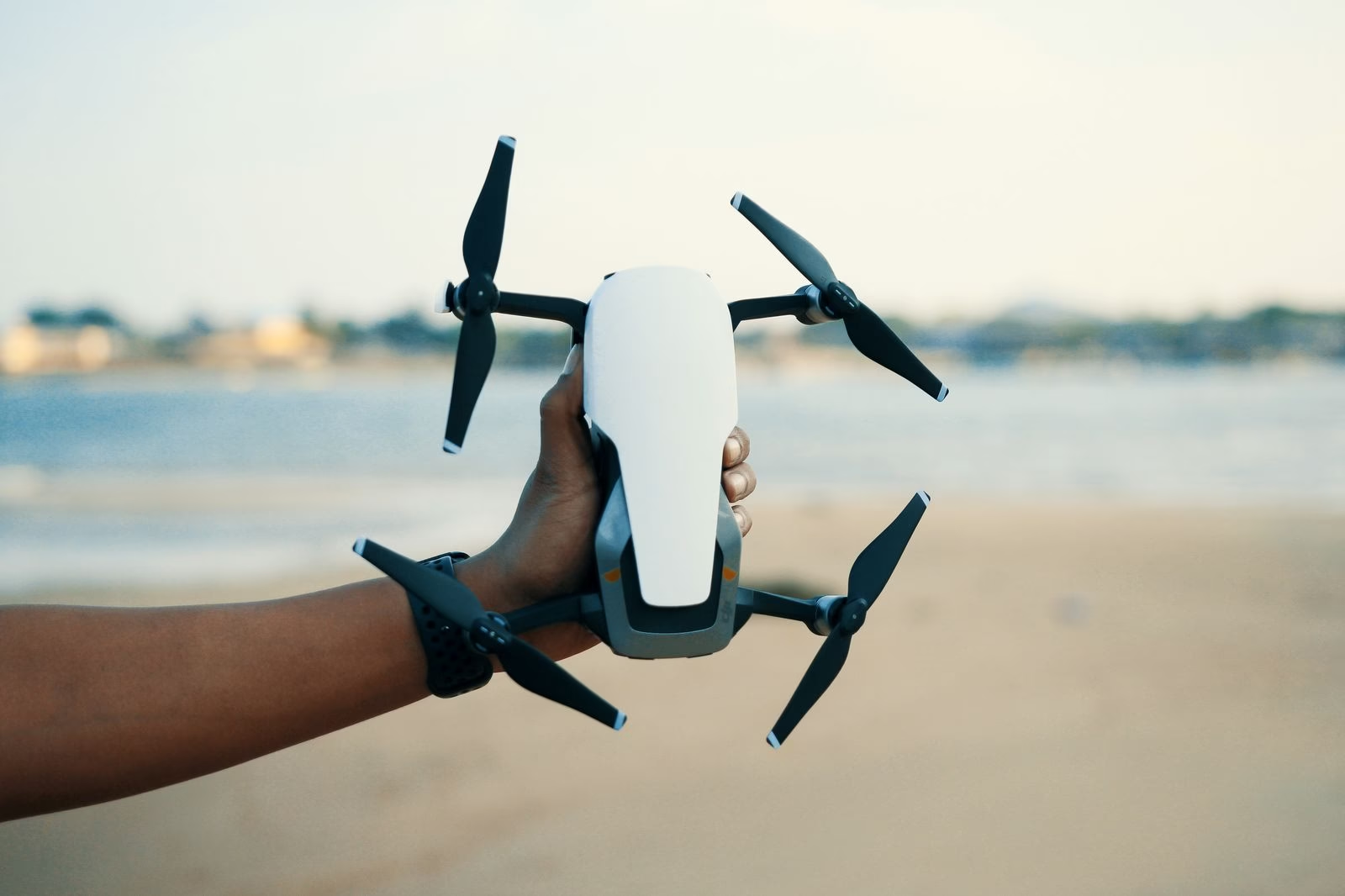
The quick answer
- On a plane: the drone generally goes in the cabin; spare lithium batteries must stay in the cabin, protected against short circuits and within the airline’s limits.
- To fly: check the geo-zone, the country’s rules, and the requirements of your scenario.
- For insurance: there is no single answer for all drones and all countries. Flight type, weight, use, and national legislation all matter.
Choosing a drone that is easier to carry
Compare weight, batteries, the bundle, and the CE class before buying: the best travel drone is the one you can transport and operate with peace of mind.
See current priceCompare drones
Some links are affiliated; this does not change the price for you.
Taking your drone on a plane: the useful checklist
Start by checking your airline’s conditions: they may be stricter than general recommendations. To avoid a refusal at security or boarding, prepare your gear in advance.
- Cabin: transport the drone in a hard or well-protected case. For spare lithium batteries, the cabin is generally the rule.
- Protection: use the original caps or an individual case; never let battery terminals come into contact with metal objects.
- Power: check the Wh capacity marked on each battery and the airline’s limit. Beyond certain thresholds, authorization may be required or transport refused.
- Checked luggage: avoid placing removable batteries there. If the airline accepts the drone in the hold, remove the batteries and protect the equipment.
- At your destination: the fact that you transported your drone does not give you the right to fly: check the local zone map.
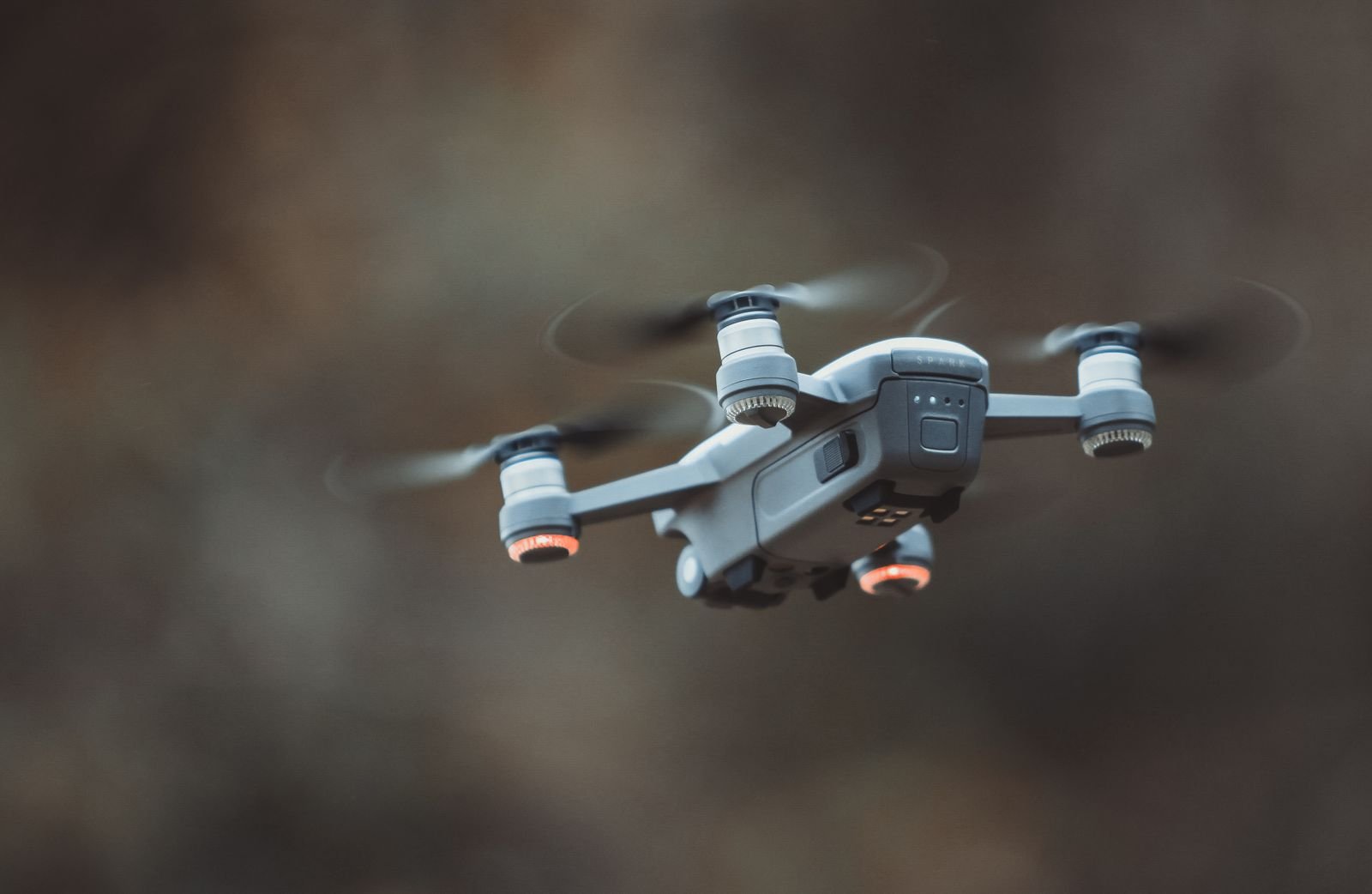
Drone insurance: what is actually mandatory
Avoid formulas like “mandatory insurance everywhere in Europe.” Requirements can depend on the country, weight, use, and operation. Personal third-party liability does not necessarily cover damage caused during a flight, and travel insurance rarely covers professional use.
Before taking off, ask the insurer for a written response regarding: the insured model, covered countries, covered activities (leisure, paid photography, inspection), exclusions, liability limits, and claim declaration conditions. A commercial service deserves extra verification.
Do not confuse insurance with flight rules
Insurance never makes a flight authorized. You must respect the EASA framework, registration when required, pilot competencies, and geo-zones. Consult our guides on classes C0 to C6, sensitive zones and airports, and professional missions.
Frequently Asked Questions
Can I put drone batteries in checked luggage?
In practice, spare lithium batteries must stay in the cabin and be protected. It is imperative to read the conditions of the airline you are traveling with.
Does my home insurance cover my drone?
Sometimes, but never by default: check the specific guarantees, exclusions, the weight of the drone, and the intended use.
Is insurance enough to film a client?
No. It potentially covers financial risk; it does not replace aviation rules, authorizations, or image rights.
Key takeaways
Prepare batteries as sensitive equipment, check airline rules, and confirm insurance adapted to your actual use. For flight regulations, consult official sources: EASA Open category and Regulation (EU) 2019/947.





Leave a Reply