
Updated on August 6, 2026. This guide provides European benchmarks; before a shoot, check the geozones and national rules of the country concerned.
Filming with a drone in a public place doesn’t depend on a single authorization. You need to separately examine the right to fly, any agreement to take off or access the location, the protection of the people being filmed, and the intended use of the images. A town hall, a hotel, or a client can authorize you to be on-site without being able to authorize the flight in the airspace.
The quick answer: the four checks before filming
- Airspace: do the geozone and flight rules allow for takeoff?
- Location: do you have the right to access the land, take off, and set up your equipment?
- People: does the shoot respect privacy, image rights, and, if applicable, GDPR?
- Distribution: is the commercial, advertising, or editorial use of the images covered by the necessary agreements?
Choosing a drone suitable for a simple shoot
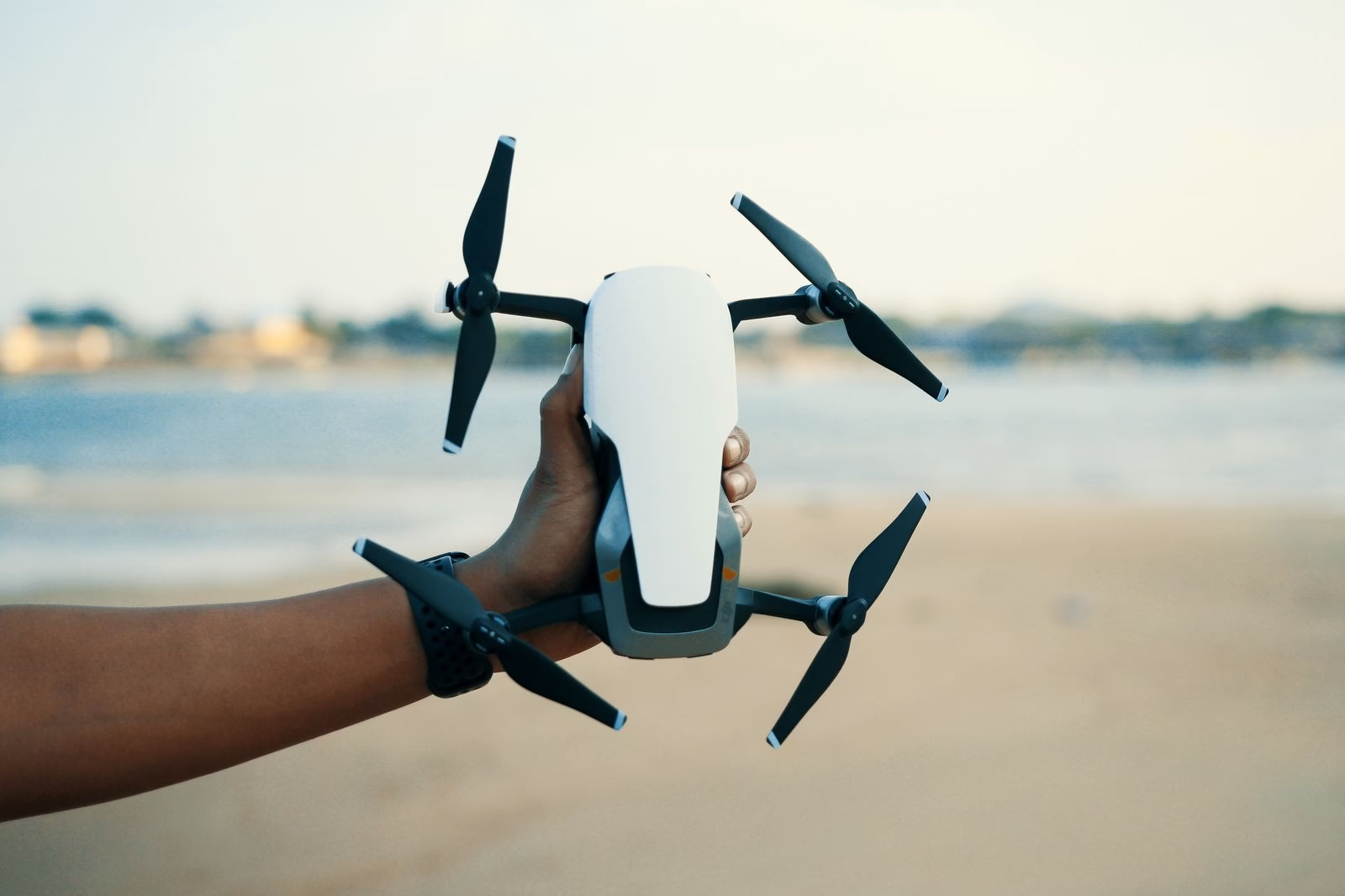
A lightweight drone and a simple scenario can make preparation easier, but they never replace zone rules and respect for people.
See current priceCompare drones
Some links are affiliated; this doesn’t change the price for you.
1. The right to fly: the aerial rule comes first
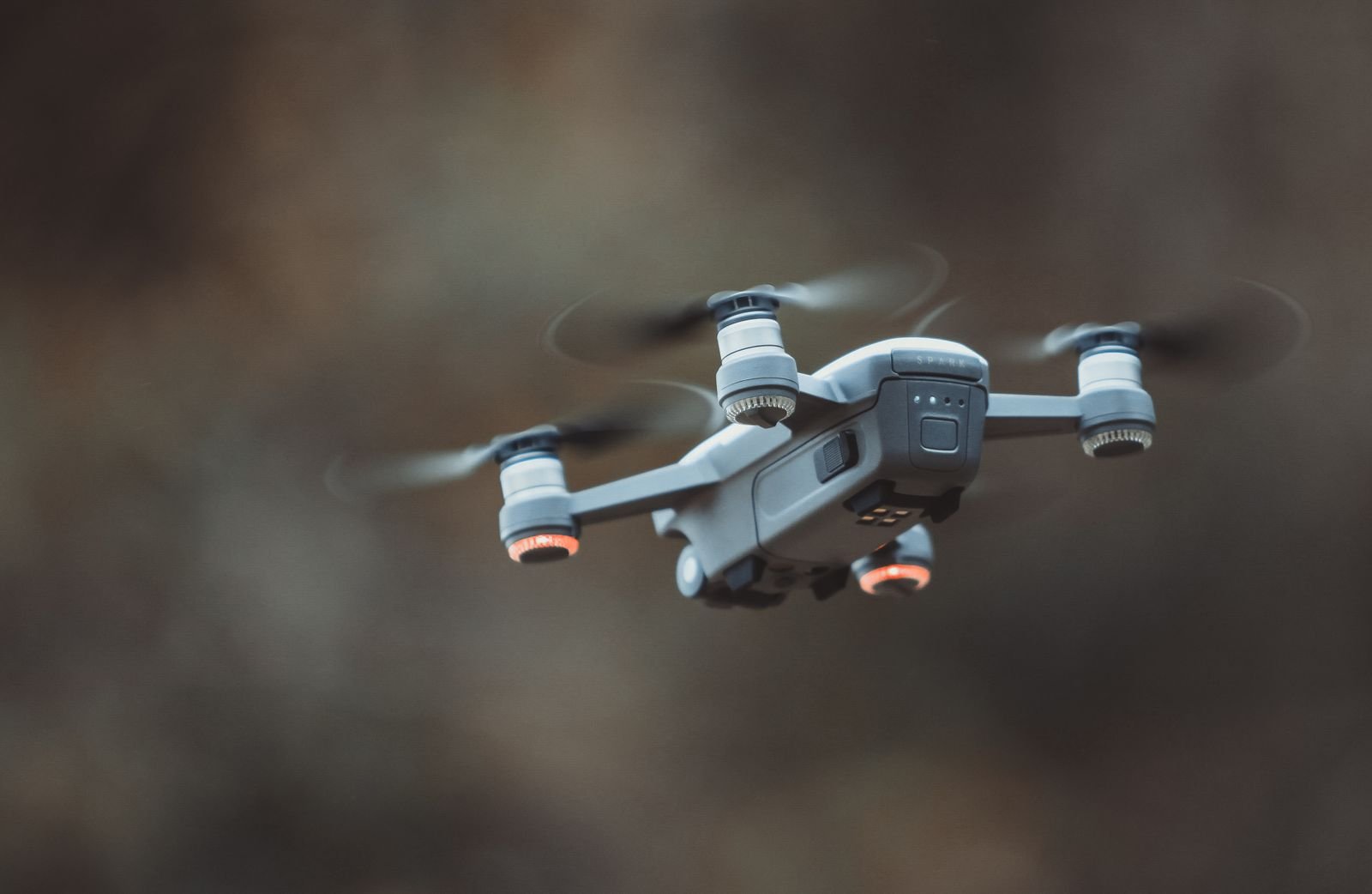
In the Open category, the drone must stay within the applicable limits: maximum height of 120 m, visual line of sight (VLOS), appropriate sub-category, and respect for geozones. Flying over a crowd of people is not allowed in Open. If the scenario exceeds these limits—dense environment, uninvolved people, complex trajectory, or out of direct sight—a Specific analysis may be necessary.
Before offering a shoot, check our guide on classes C0 to C6 and the one on geozones and airports.
2. Location agreement is not a flight authorization
An owner, a municipality, an organizer, or a client can set conditions for accessing the location. Ask for their agreement when it’s necessary to take off, move around, or set up your team. But this agreement never replaces aerial rules. Conversely, an open airspace doesn’t automatically give you the right to take off from private property or film in an area subject to specific rules.
3. Privacy and people filmed: no single rule for consent
Saying “you must obtain consent from everyone before filming” is too simplistic. The right reflex is to reduce the capture of identifiable people, avoid intrusive scenes, and examine the purpose of the shoot. Commercial distribution, an organized shoot, or the systematic collection of images require increased vigilance. If the image allows a person to be identified, check the legal basis, the information provided to the people, the retention period, and the applicable national rules.
Avoid filming vulnerable people, private properties, or sensitive situations without justification or an appropriate agreement. Respect for privacy isn’t just a checkbox.
Pre-takeoff checklist
- Check the official geozone and the weather on the day of the flight.
- Define the path, height, and areas where people might appear.
- Avoid any crowds and keep a margin from uninvolved people.
- Obtain the necessary agreements from the owner, organizer, or client.
- Plan how to inform the team and limit identifiable images.
- Check the insurance and the terms of the service. Our guide on drone transport and insurance covers this point.
Case studies
Filming a street or a beach
Foot traffic, the geozone, and the ability to avoid people determine feasibility. An aerial shot over a crowd isn’t just a “public” shot: it may be incompatible with the Open category.
Filming an event
Don’t take off over participants. Check the organizer’s agreement, local restrictions, and the aerial procedure before promising images.
Filming for a client
Establish the scope, distribution rights, access, and responsibilities in writing. For the aerial part, also re-read our guide on drone services.
Key takeaways
A legal shoot meets four conditions: authorized flight, location access, respect for people, and controlled distribution. Sources to consult: EASA Open category, Regulation (EU) 2019/947, and CNIL resources.




Leave a Reply