
Drones have revolutionized many sectors, from aerial photography to surveillance. However, the use of these devices is governed by strict regulations, particularly regarding subcategories A1, A2, and A3 . This article explores the crucial differences between these categories for drone pilots.
Understanding Subcategories
European drone regulations divide operations into three main categories, each further subdivided into subcategories. These subcategories depend primarily on the drone’s weight and the level of risk associated with the operation.
Subcategory A1: The “Risk-Free” Flight
Subcategory A1 is considered the most accessible. Here are its main characteristics:
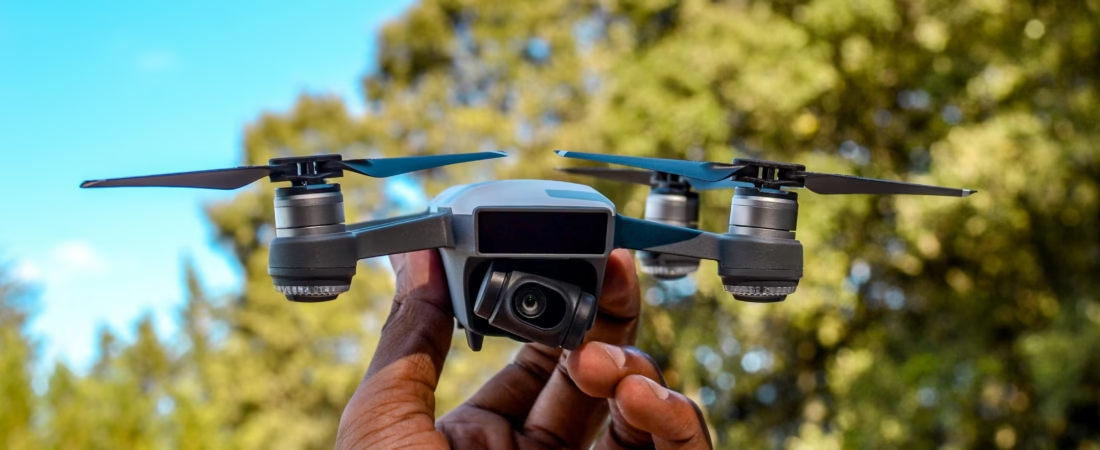
- It applies to drones weighing less than 250 grams , or to certain heavier drones marked with a C0 class.
- The pilot is allowed to fly over people , provided that he does not intentionally fly over them.
- No remote pilot exam is required for drones under 250g (but online training is mandatory).
Example: A drone weighing less than 250g can be used to take pictures of your garden.
Subcategory A2: Proximity and Precautions
Subcategory A2 requires more advanced skills and additional precautions:
- It concerns drones weighing less than 2 kg marked C2, and requires a distance of 30 meters from people, which is reduced to 5 meters if the remote pilot has a class A2 certification
- The pilot must pass a Class A2 remote pilot exam .
- Flying is generally permitted in populated areas , but with restrictions and risk assessment.
Example: A 1.5 kg drone can be used to film a construction site, respecting safety distances and having obtained the necessary certification.
Subcategory A3: Distance and Safety
Subcategory A3 is intended for operations presenting the highest risks and imposes the strictest restrictions:
- It applies to drones weighing less than 25 kg and to C3 class drones.
- The flight must be carried out at a safe distance of at least 150 meters from populated areas , buildings, and gatherings of people.
- The pilot must have completed online training and passed a theoretical exam.
Example: Inspecting a wind turbine, while respecting safety distances and planning the flight.
Summary Table
| Subcategory | Drone Weight | Permitted Operations | Pilot Requirements |
|---|---|---|---|
| A1 | < 250g / Class C0 | Flying over people (without intentional overflight) | Mandatory online training |
| A2 | < 2kg / Class C2 | Flights close to people (with distance) | A2 Remote Pilot Examination |
| A3 | < 25kg / Class C3 | Fly far from people and populated areas (150m) | Online training, theoretical exam |
In conclusion, the choice of subcategory depends on your type of operation and the drone used. It is essential to fully understand the applicable regulations to ensure safety and compliance with the law.




Leave a Reply