
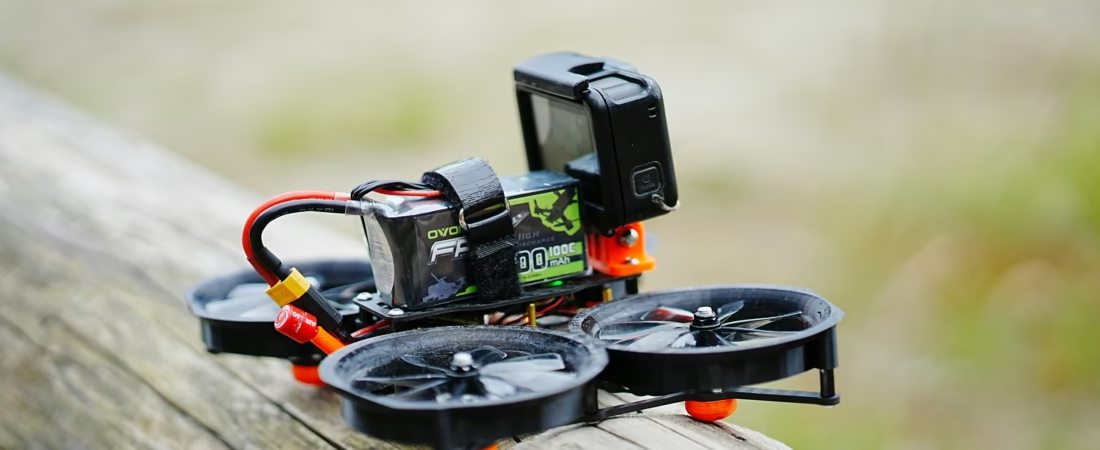
First-person view (FPV) flight, which involves piloting a drone in an immersive environment using goggles or a screen, has become extremely popular. However, this practice is governed by specific European legislation designed to guarantee air safety and protect privacy. This article explores the main aspects of this regulation.
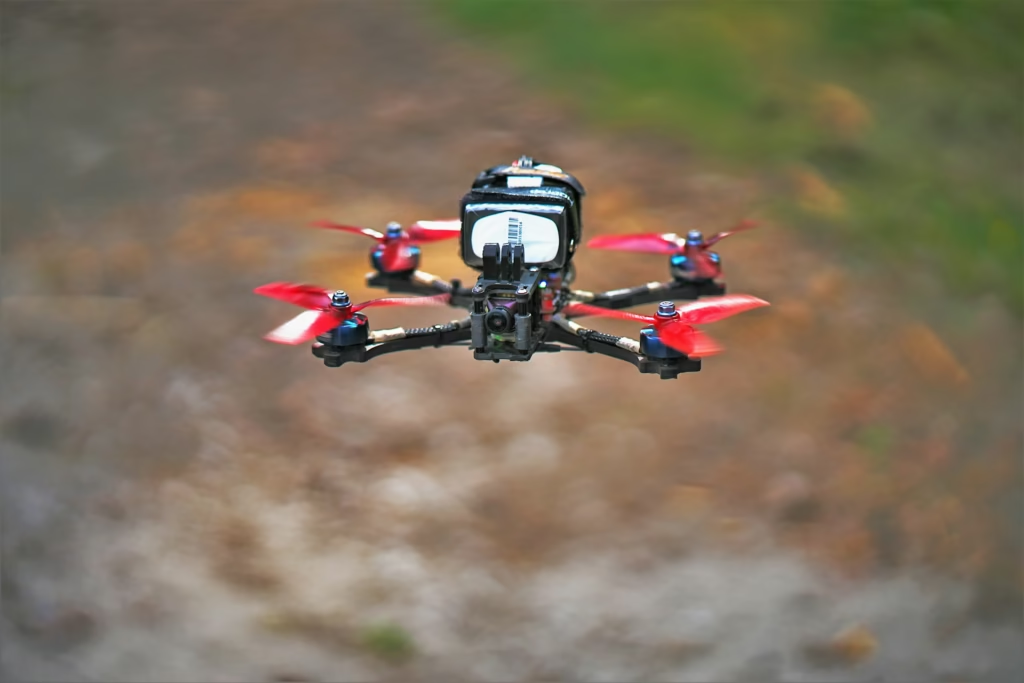
European Regulations on Drones
European drone legislation, primarily based on Regulation (EU) 2018/1139 and its delegated acts, establishes a common framework for the use of drones, including FPV flight. Its main objective is to harmonize rules and facilitate the market while ensuring the safety of operations.
Flight Categories and Requirements
Regulations divide drone operations into three main categories, each with specific requirements:
- Open Category: For low-risk operations. Most recreational FPV flights fall into this category.
- Specific Category: For operations presenting higher risks, requiring risk analysis and, potentially, authorization.
- Certified Category: For high-risk operations requiring certification of the drone and operator.
It is important to determine your flight category before you begin.
Restrictions and Obligations for FPV Flight
FPV flight is subject to several restrictions and obligations, including:
- Remote identification: Drones must be equipped with a remote identification system that transmits information (registration number, geographical position, etc.) in real time.
- Safety distance: Operators must maintain a safe distance from people, vehicles and buildings.
- Flight altitude: The maximum flight altitude is usually limited, often to 120 meters above the point closest to the ground.
- Restricted areas: It is forbidden to fly in certain areas, such as airports, military zones and sensitive areas.
- Responsibility: The operator is responsible for the safety of operations and any potential damages.
- Training and skills: Although regulations vary depending on the flight category, the operator must possess the necessary knowledge and skills to fly a drone safely.
The Case of FPV Flight with an Observer
In the specific case of FPV flight, regulations often require the presence of an observer (also called a “spotter”) who has a direct line of sight to the drone. The observer plays a crucial role in monitoring the environment and communicating with the pilot to ensure safety. The pilot cannot rely solely on the FPV view to determine obstacles or other aircraft.
Registration and Authorizations
Drone operators must generally register with the relevant authorities (often the Directorate General of Civil Aviation or equivalent in each European country). Furthermore, certain operations may require specific authorizations, particularly within a specific category.
Conclusion
European legislation on drones, and more specifically on FPV (First-Person View) flight, aims to strike a balance between innovation and safety. It is essential for operators to understand and comply with these rules to benefit from this technology while minimizing risks and respecting current legislation. Staying informed about updates and changes in regulations is crucial.



Leave a Reply