
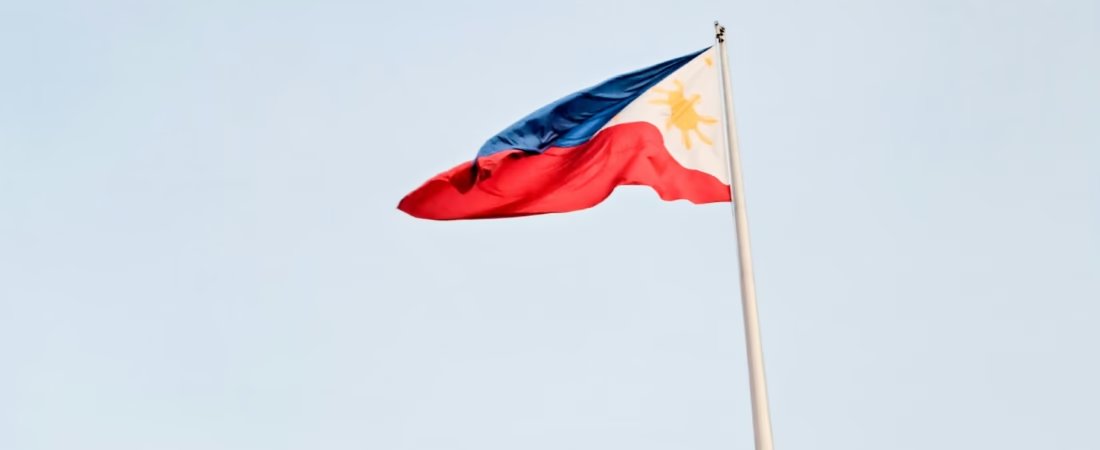
The Philippines, with its breathtaking landscapes, is a dream destination for photographers and videographers using drones. However, before taking off, it’s crucial to understand the applicable regulations to avoid any problems. The primary authority governing drone use is the Civil Aviation Authority of the Philippines (CAAP) , through its Philippine Civil Aviation Regulations (PCAR).
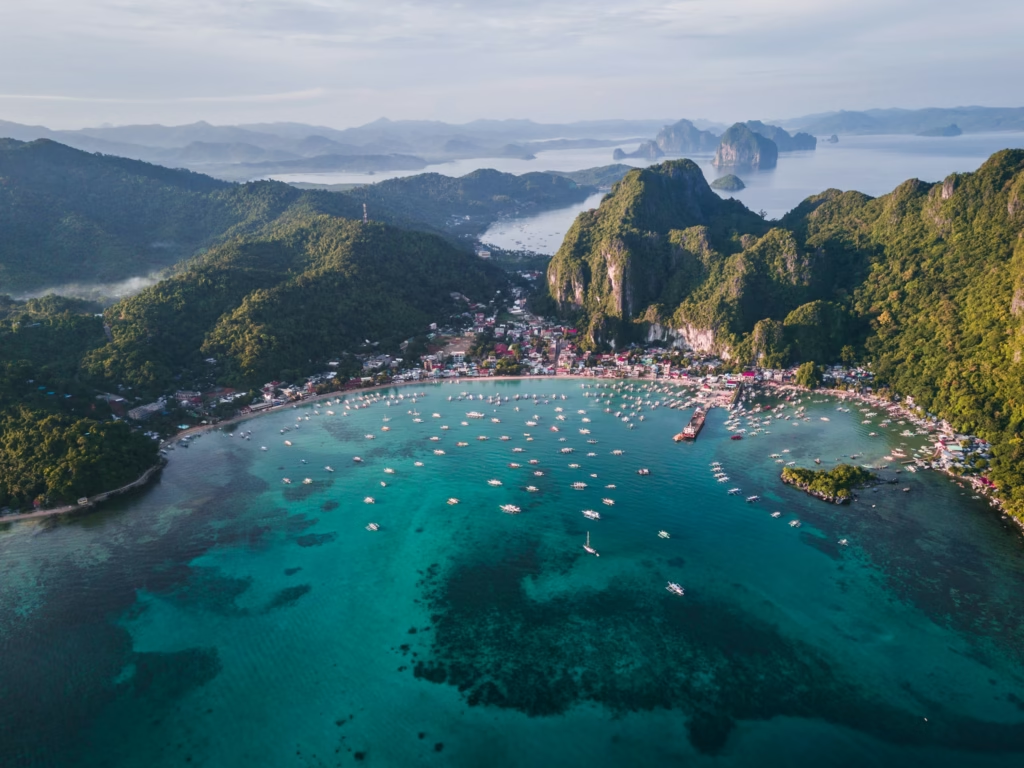
The regulatory authority: The CAAP
The CAAP is the government agency responsible for aviation safety in the Philippines. All regulations concerning unmanned aerial vehicles (UAVs), commonly known as drones, fall under its jurisdiction. Failure to comply with its rules can result in substantial fines and the confiscation of your equipment.
Drone classification
Philippine regulations classify drones primarily according to two criteria: their weight and their intended use (recreational or commercial). This distinction is crucial because the requirements vary considerably.
- Recreational use: Flying for pleasure, personal photography, or sport.
- Commercial use: Any use that generates revenue, such as real estate photography, mapping, precision agriculture, or video production for clients.
General rules to be followed by all pilots
Whether you fly for leisure or for professional purposes, several basic rules always apply:
- The flight must take place during the day and in favorable weather conditions (good visibility, no rain or strong winds).
- The drone must remain within direct line of sight (VLOS – Visual Line of Sight) at all times.
- The maximum flight altitude is 400 feet (approximately 122 meters) above the ground.
- It is forbidden to fly over densely populated areas, gatherings of people (concerts, sporting events) or urban areas without specific authorization.
- Respect for privacy is paramount. Do not film or photograph people or private property without consent.
- Never operate a drone under the influence of alcohol or drugs.
Recreational use (Hobby)
For recreational drone pilots, the rules are more relaxed, especially for smaller drones. If your drone weighs less than 7 kg and is used solely for leisure, you generally don’t need to register it with the CAAP. However, all the general flight rules mentioned above must be strictly observed. It is your responsibility to ensure that you do not fly in a restricted area.
Commercial use
Using a drone for commercial purposes is much more regulated. If you plan to monetize your flights, you must follow a strict procedure:
- Drone registration: Every drone used for commercial purposes, regardless of its weight, must be registered with the CAAP.
- Pilot certification: The pilot (operator) must obtain a drone controller competency certificate (UAV Controller Certificate) issued by the CAAP, which often involves passing a theoretical exam.
- Operating authorization: The company or individual must obtain an Unmanned Aircraft System Operator Certificate (UAS Operator Certificate).
These steps are mandatory and aim to ensure that business operations are conducted safely and professionally.
No-Fly Zones
There are many areas in the Philippines where drone flights are strictly prohibited. It is essential to check the regulations before each flight. Key restricted areas include:
- Airports and airfields (a 10 km safety zone is generally applied).
- Military zones and police stations.
- Sensitive government buildings, such as the Malacañang Palace in Manila.
- National parks and protected areas may require special permits.
- Above private property without the owner’s permission.
Conclusion
Flying a drone in the Philippines offers incredible opportunities to capture the archipelago’s beauty. However, safety and adherence to regulations are paramount. The golden rule is to always use common sense and, if in doubt, consult the CAAP’s official website for the most up-to-date information. By staying informed and respecting the rules, you ensure a positive flying experience for yourself and others. Fly responsibly and enjoy the scenery!


Leave a Reply