
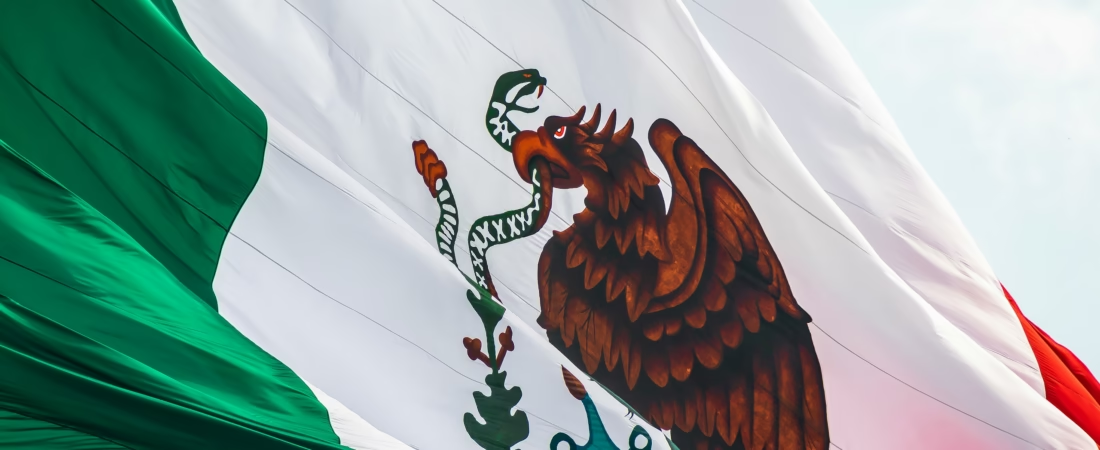
Mexico, with its spectacular landscapes ranging from idyllic beaches to Mayan archaeological sites, is a prime destination for videographers and photographers using drones. However, before taking off, it’s crucial to understand the regulations to avoid any issues with the authorities. Mexican legislation, overseen by the Dirección General de Aeronáutica Civil (DGAC) , is primarily based on the drone’s weight and intended use.
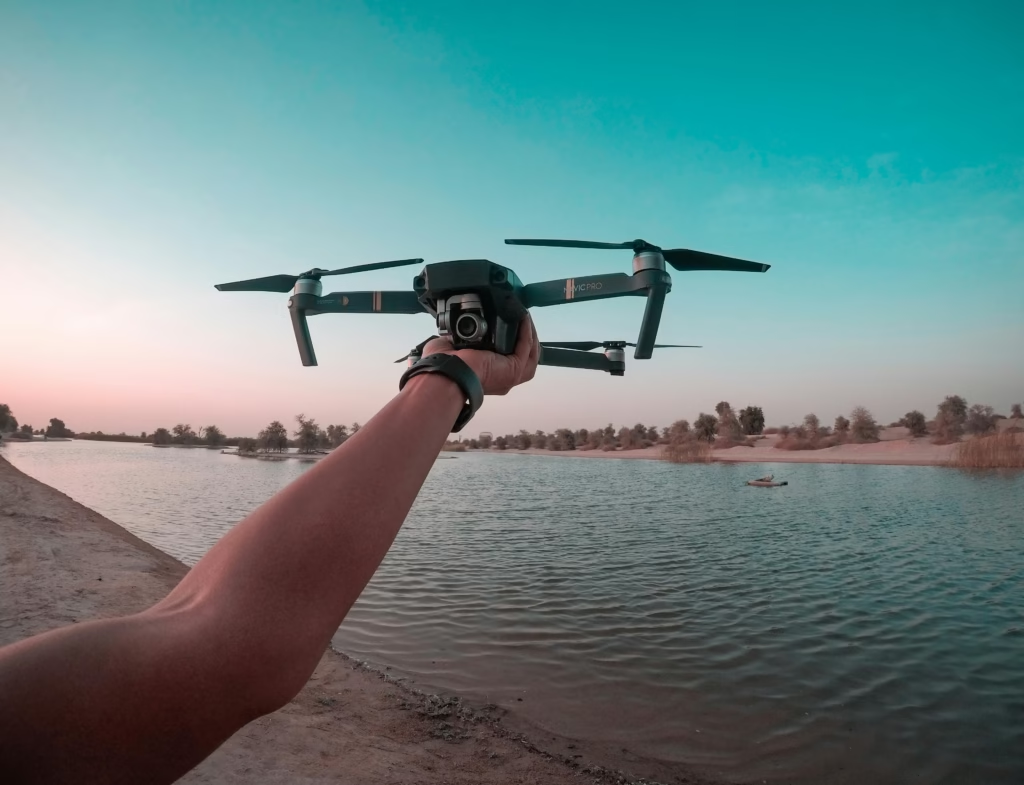
The competent authority and the main standard
The entity responsible for regulating unmanned aircraft (UAS or drones) in Mexico is the DGAC. The official standard governing their use is NOM-107-SCT3-2019 . This regulation aims to ensure the safety of airspace and people on the ground.
Classification of drones according to their weight (MTOW)
Mexican law classifies drones into three main categories based on their maximum take-off weight (MTOW). The requirements vary considerably for each category.
- Micro drone (up to 250 grams):
- No registration or authorization is required for recreational use.
- This is the simplest category, ideal for small recreational drones.
- The basic safety rules (do not fly over people, stay within sight) still apply.
- Small drone (from 251 grams to 2 kg):
- Registration of the device with the DGAC is mandatory , even for recreational use. Registration is done online.
- The pilot does not need a license for recreational use, but must comply with all flight rules.
- Additional permissions are required for commercial use.
- Medium and Large Drones (from 2 kg to 25 kg and over 25 kg):
- This category is reserved for commercial and professional use.
- Drone registration is mandatory.
- The pilot must obtain a drone pilot’s license from the DGAC.
- Civil liability insurance is required.
- Each commercial flight may require specific authorization.
General flight rules to be observed
Regardless of your drone category, you must strictly adhere to the following rules throughout Mexico:
- Flying within visual line of sight (VLOS): You must always keep your drone within your direct field of vision.
- Maximum altitude: Never exceed 122 meters (400 feet) above the ground.
- Distance from airports: Stay at least 9.2 km from airports and 900 meters from heliports.
- Flight times: Only fly during the day, between sunrise and sunset.
- Prohibited areas: It is forbidden to fly over gatherings of people, private properties without authorization, military areas, government buildings and archaeological sites (such as Chichen Itza, Teotihuacan, etc.) without a special permit, which is very difficult to obtain.
- Respect for privacy: Do not record images of people without their consent.
Advice for foreign tourists and pilots
If you are a tourist wishing to use your drone in Mexico, the most important rule to remember is this: commercial use of a drone by a foreign citizen is strictly prohibited . You may only use your drone for recreational purposes.
If your drone weighs more than 250 grams, you are technically required to register it online with the DGAC (French Civil Aviation Authority). While the process may seem complex for a foreigner, it is recommended to comply with the law. Be discreet when using your drone and choose isolated areas to avoid disturbing local residents or attracting unwanted attention.
Conclusion: Fly responsibly
Mexico offers a clear regulatory framework for drone use. For tourists with drones weighing less than 250g, the experience is simple and free of administrative hassles. For heavier drones, registration is mandatory. By respecting weight limits, designated flight zones, and safety guidelines, you can fully enjoy the beauty of Mexico from the air, legally and safely.



Leave a Reply