
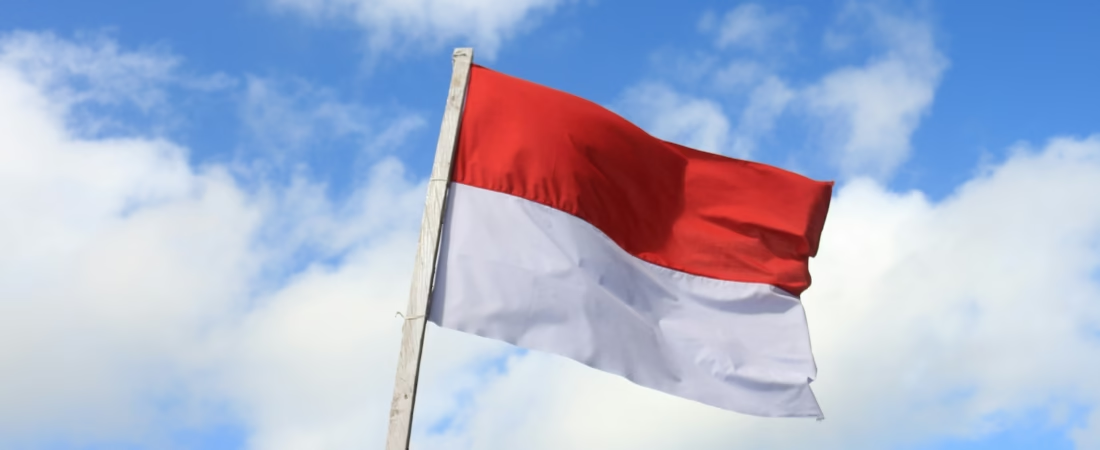
Indonesia, with its volcanic landscapes, idyllic beaches, and terraced rice paddies, is a dream destination for drone pilots. However, before taking off to capture breathtaking images, it’s crucial to understand and comply with the regulations. These regulations are primarily governed by the Indonesian Directorate General of Civil Aviation (DGCA) . Here’s everything you need to know.
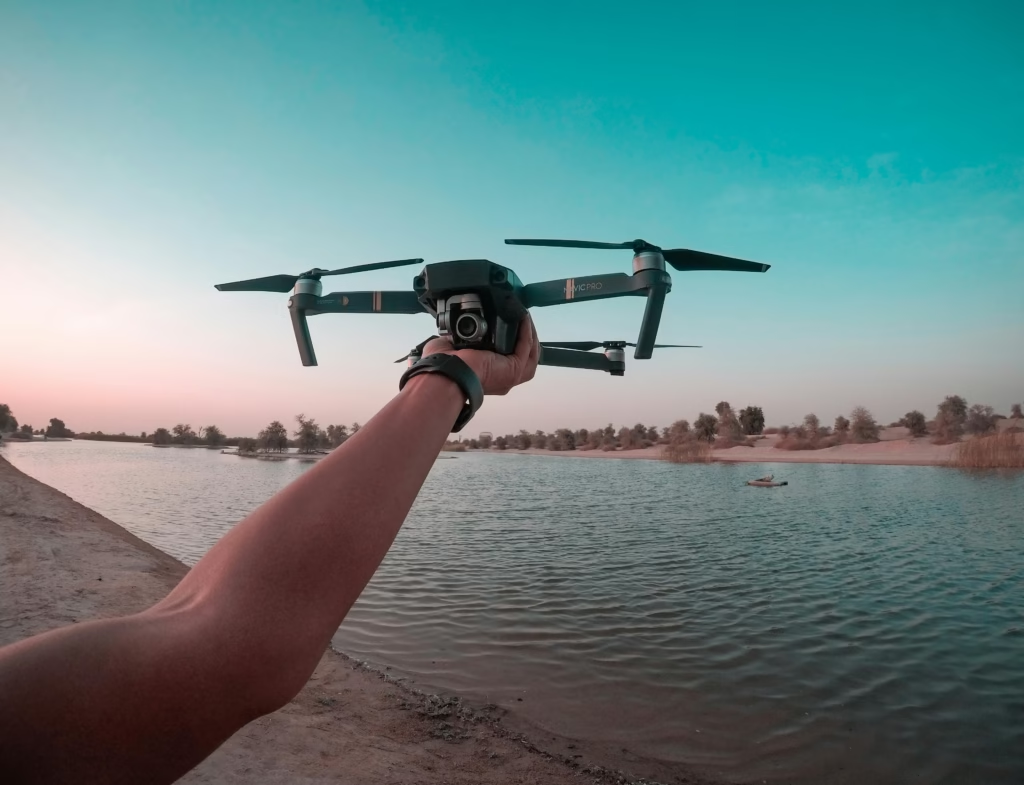
General Rules to Follow
Whether you are a tourist or a resident, certain basic rules apply to all recreational drone flights. Failure to comply with these rules can result in severe penalties.
- Maximum altitude: Do not fly higher than 150 meters (approximately 490 feet) above the ground.
- Line of sight (LOS): You must always keep your drone within your field of vision, without the aid of binoculars or other devices.
- Daytime flights only: Flights are only permitted from sunrise to sunset, in good weather conditions.
- No flying over crowds: It is strictly forbidden to fly your drone over gatherings of people, crowds or densely populated areas.
- Respect for privacy: Do not film people without their explicit consent.
- No hazardous substances: It is forbidden to transport hazardous objects or materials with your drone.
Registration and License
Registering your drone is an increasingly important step. For drones weighing more than 250 grams and used for purposes other than purely recreational activities (such as semi-professional photography), registration with local authorities via the online SIDOPI system (Sistem Drone Indonesia & Pendaftaran Izin) is often required. For commercial use, a pilot’s license and specific authorization for the device are mandatory.
No-Fly Zones
Indonesia has many areas where drone flights are strictly prohibited or require prior authorization. Caution is advised, especially in tourist areas.
- Airports: It is forbidden to fly within a 15-kilometer radius of any airport.
- Government and military sites: Presidential palaces, military bases, embassies and other official buildings are no-fly zones.
- Places of worship and historical sites: Major sites such as the temples of Borobudur and Prambanan strictly prohibit drones without special authorization, which is very difficult to obtain. Many other temples, particularly in Bali, have similar rules.
- National Parks: Flying over most national parks is prohibited to protect wildlife. Special authorization from the Ministry of Forests is required.
- Private property: Do not fly over hotels, villas or private residences without the owner’s permission.
Commercial Use of Drones
If you plan to use your drone for commercial purposes (promotional videos, mapping, etc.), the rules are much stricter. You will need to obtain a drone pilot certification from the DGCA, register your business and equipment, and apply for a permit for each specific flight mission. This process is lengthy and complex, so it is advisable to start well in advance.
Penalties for Offenses
Indonesian authorities take aviation safety very seriously. Penalties for non-compliance with legislation can be severe, ranging from heavy fines to confiscation of equipment , and even legal prosecution in the most serious cases (endangering the lives of others, espionage).
Practical Tips for Pilots
- Check locally: Rules can vary from island to island or province to province. In Bali, for example, surveillance is increased in popular tourist areas. Always ask permission before flying near a temple or cultural site.
- Take out insurance: Civil liability insurance covering the use of drones is strongly recommended to protect you in case of an accident.
- Be respectful: The noise of a drone can be perceived as a nuisance. Be discreet and respect the peace and quiet of the area and the people around you.
- Check the apps: Use apps like AirMap or DJI Fly to view allowed and restricted flight areas in real time.
In conclusion, flying a drone in Indonesia is a fantastic experience that offers unique perspectives on the country’s beauty. By planning your flights, staying informed, and acting responsibly, you can ensure you bring back unforgettable memories while respecting local laws and culture.



Leave a Reply