

The use of drones, or unmanned aerial vehicles (UAVs), has become increasingly popular in Canada, both for recreational and commercial applications. However, to ensure the safety of airspace and people on the ground, Transport Canada has implemented strict regulations. It is essential for every drone pilot to know and comply with these rules.
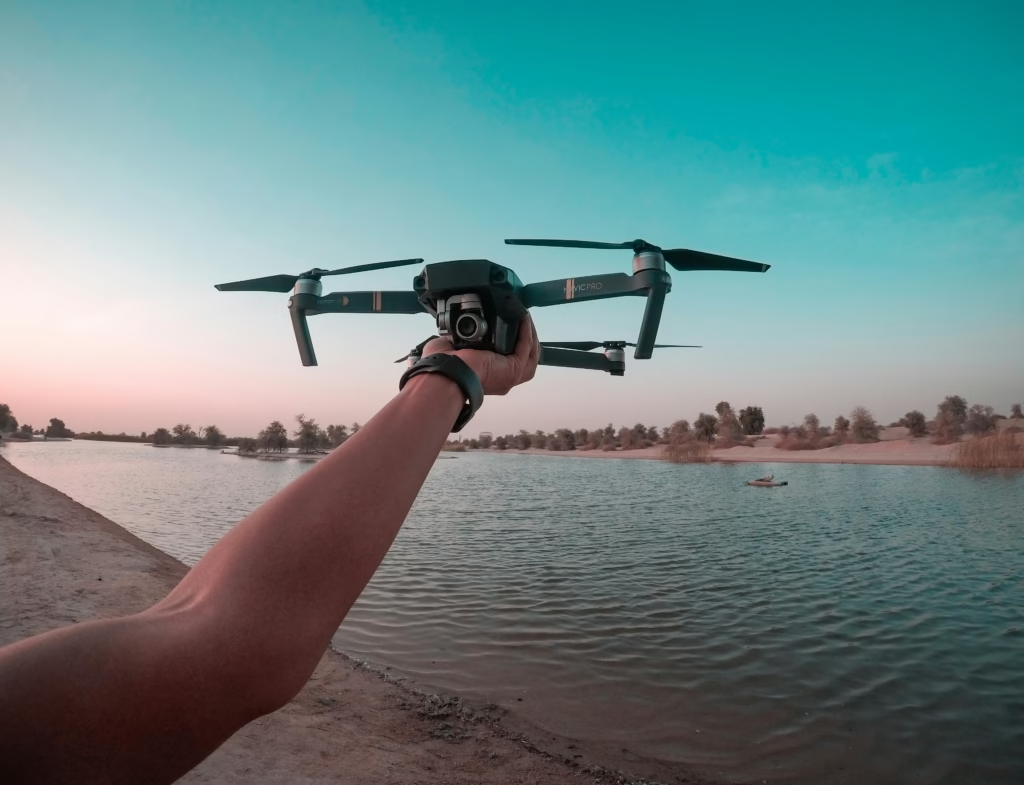
Drone Categories and Their Regulations
Canadian regulations primarily classify drones based on their weight. This distinction determines the registration, certification, and flight rules that must be followed.
- Drones weighing less than 250 grams (Microdrones): These drones are considered to present a very low risk. They do not require registration or a pilot’s certificate . However, the pilot is responsible for not flying their drone recklessly and for not endangering the safety of aircraft or people.
- Drones between 250g and 25kg (Small drones): This is the most common category for serious hobbyists and many professionals. It is subject to comprehensive regulations. If your drone falls into this category, you must follow the steps below.
- Drone registration: Every drone in this category must be registered with Transport Canada. You will be provided with a unique registration number, which must be clearly visible on the drone.
- Obtaining a pilot’s certificate: You must pass an online exam to obtain a drone pilot’s certificate. This exam tests your knowledge of regulations, airspace, meteorology, and safety procedures.
- Compliance with flight rules: Once certified and your drone registered, you must follow specific flight rules.
Basic Operations vs. Advanced Operations
For drones weighing between 250 g and 25 kg, Transport Canada distinguishes between two types of operations, each associated with a specific pilot certificate:
- Basic Operations: Allows flight in uncontrolled airspace, at a distance of more than 30 meters (100 feet) horizontally from pedestrians, and never directly over pedestrians. A “Pilot Certificate – Basic Operations” is required.
- Advanced Operations: Required if you wish to fly in controlled airspace, within 30 meters of pedestrians, or over pedestrians. This requires obtaining the “Pilot Certificate – Advanced Operations,” which involves passing a more challenging exam and a flight review with a certified examiner.
General Safety Rules to Follow
Regardless of the type of operation, several fundamental security rules apply at all times:
- Keep the drone in direct line of sight (VLOS – Visual Line-Of-Sight).
- To fly at an altitude of less than 122 meters (400 feet) above the ground.
- Respect all laws relating to privacy.
- Avoid flying near special events, emergency services (fires, accidents) or critical infrastructure.
- Keep a safe distance from airports (5.6 km) and heliports (1.9 km).
- Do not fly a drone under the influence of alcohol or drugs.
Penalties for Non-Compliance
Failure to comply with drone regulations can have serious consequences. Transport Canada can impose substantial fines , which can reach several thousand dollars for individuals and even higher amounts for businesses. Endangering the safety of an aircraft is a serious criminal offence.
In conclusion, flying a drone in Canada is a regulated activity designed to ensure everyone’s safety. Before taking off, make sure you understand which category your drone falls into, complete any necessary registration and certification processes, and always fly responsibly. For up-to-date information and helpful tools, such as the Drone Site Selection Map, visit the official Transport Canada website.




Leave a Reply