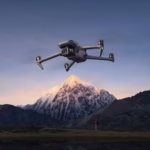
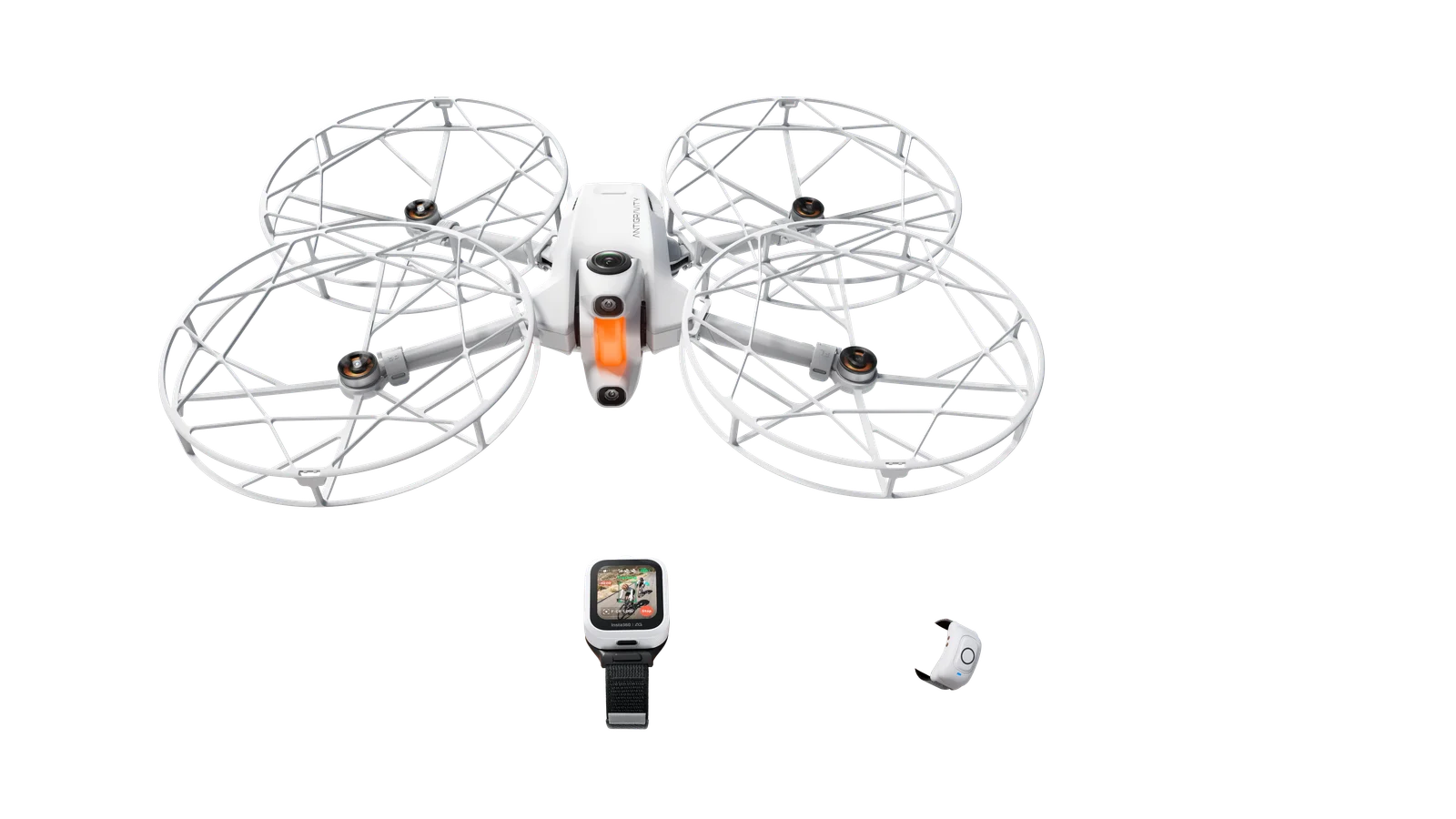
Here’s a practical snapshot of the current drone rules in Italy, so you can fly legally and avoid the most common mistakes.
Drone legislation in Italy: What you need to know
Flying a drone in Italy, whether for leisure or professional purposes, is a fantastic experience offering unique perspectives on the country’s magnificent landscapes. However, as throughout Europe, this activity is strictly regulated. Italy adheres to the European regulatory framework (EASA) , while also incorporating its own specific regulations managed by the national authority, ENAC (Ente Nazionale per l’Aviazione Civile).
The European framework: The basis of regulation
Since December 31, 2020, a common regulation has been in effect across all European Union countries. It classifies drone operations into three risk categories: Open (low risk), Specific (moderate risk), and Certified (high risk). For the vast majority of recreational pilots and many professionals, the Open category applies. Here are its fundamental principles:
- The drone must weigh less than 25 kg.
- The flight must be conducted within visual line of sight (VLOS) , meaning that the pilot must always keep his drone in sight.
- The maximum flight altitude is 120 meters above the ground.
- Flying over gatherings of people is prohibited.
- The drone operator (usually the owner) must register online in their country of residence.
- The pilot must have a minimum level of competence (A1/A3 online training and exam).
Italian specifics: ENAC and d-flight
Italy has put in place tools and rules that complement European legislation, mainly managed via the d-flight platform, the official portal for drone airspace management.
- Mandatory registration: Any drone operator equipped with a camera, or weighing more than 250g, must register on the d-flight.it portal. A QR code is then generated and must be visibly affixed to the drone.
- Third-party liability insurance: This is strictly mandatory for all drones, regardless of their weight. You must have a valid insurance certificate covering damage to third parties.
- Map consultation: Before each flight, it is essential to consult the interactive map on the d-flight.it website. This map indicates in real time the authorized, restricted (with altitude conditions for example) and prohibited (No-Fly Zones) flight areas.
Restricted and prohibited flight zones in Italy
Italy has many areas where drone flights are prohibited or severely restricted for safety or heritage protection reasons. Exercise particular caution:
- National parks and nature reserves: Flying over these areas is generally prohibited to protect wildlife and vegetation. Specific permits can sometimes be obtained, but they are rare.
- Major urban centers and historical sites: It is forbidden to fly over major cities such as Rome, Florence, or Venice without prefectural authorization. Archaeological sites (Colosseum, Pompeii, etc.) are also no-fly zones.
- Proximity to airports: Restricted zones extend for several kilometers around airports.
- Sensitive areas: Government, military, industrial sites and prisons are prohibited from being overflown.
- Respect for privacy: It is forbidden to film or photograph people without their explicit consent, especially in private places such as gardens or balconies.
A practical guide to flying in Italy
In summary, here are the steps to follow to fly legally in Italy:
- Make sure you are registered as an operator in your European country of residence. Your operator number is valid throughout the EU.
- Complete the A1/A3 online training and exam to obtain your pilot’s certificate.
- Take out a valid civil liability insurance policy in Italy.
- Register on the website d-flight.it and affix the QR code received to your drone.
- BEFORE EACH FLIGHT , check the map on d-flight to verify that you are not in a prohibited or restricted area.
- Always respect the basic rules: maximum height of 120m, visual line of sight and no flying over people.
In conclusion, flying a drone in Italy is entirely possible provided you prepare your flight thoroughly. The key is to strictly adhere to the European EASA regulations and always use the d-flight tool to check local restrictions. Good preparation guarantees not only your safety and that of others, but also the continued enjoyment of this exciting activity. Happy flying!