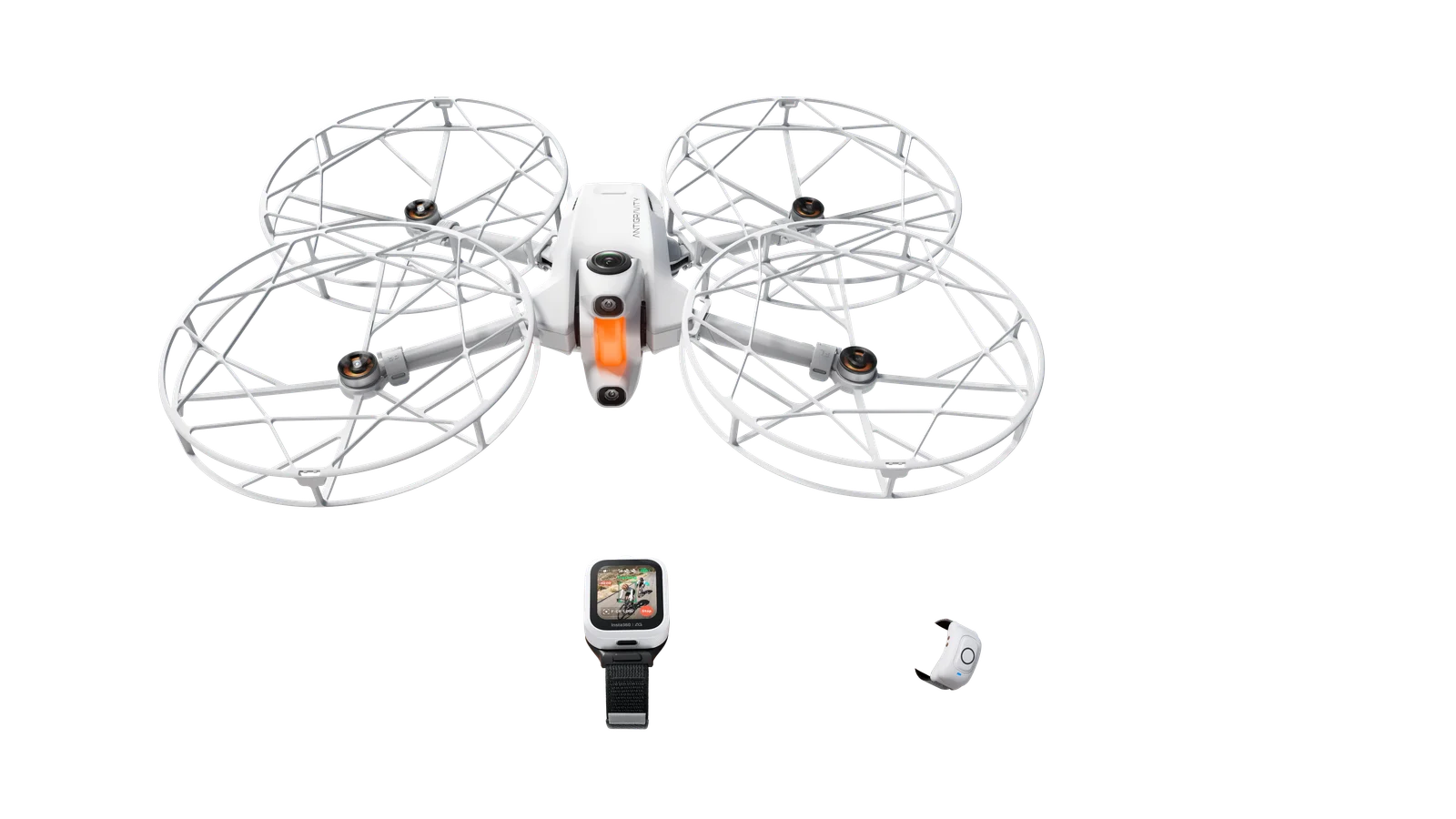
Here’s a practical snapshot of the current drone rules in Belgium, so you can fly legally and avoid the most common mistakes.
Drone legislation in Belgium: The complete guide
Since December 31, 2020, Belgium, like the rest of the European Union, has adopted a common European regulation for the use of drones. This new legislation, overseen by EASA (European Union Aviation Safety Agency), replaces the former Belgian categories (Class 1a, 1b, 2) and aims to harmonize the rules while adopting an approach based on the risk of the flight operation, rather than on its purpose (recreational or commercial).
The European regulatory framework: Flight categories
Regulations classify all drone operations into three main categories, based on the level of risk they present.
The Open Category: The most common case
This category applies to the majority of drone pilots, for low-risk operations. It is itself divided into three subcategories (A1, A2, A3) defined by the drone’s weight and the proximity of the flight to people. The general rules for the Open category are:
- The drone must weigh less than 25 kg.
- The flight must be conducted under direct visual line of sight (VLOS).
- The maximum flight altitude is 120 meters above the ground.
- It is forbidden to fly over gatherings of people.
- It is forbidden to transport dangerous goods or to drop anything.
The subcategories specify the conditions:
- Subcategory A1: Allows flying near people (but not above them) with very lightweight drones (less than 900g, generally class C0 or C1). For drones under 250g, no training is required.
- Subcategory A2: Allows flying closer to people (up to 30 meters, or 5 meters in low-speed mode) with C2 class drones (up to 4 kg). This subcategory requires an additional theoretical exam.
- Subcategory A3: This category covers flights with heavier drones (up to 25 kg, classes C3, C4) which must be conducted far from residential, commercial, industrial, and recreational areas. A safety distance of at least 150 meters must be maintained.
Specific and Certified Categories: For higher risks
The Specific Category is for operations that exceed the limits of the Open Category. This may include beyond visual line of sight (BVLOS) flight, flight above 120 meters, overflight of cities, or the use of drones weighing more than 25 kg. To operate in this category, the pilot must obtain authorization from the Belgian Civil Aviation Authority (DGTA ), based on a Specific Operations Risk Assessment (SORA).
The Certified Category covers very high-risk operations, equivalent to those of traditional aviation. Examples include passenger transport by drone (flying taxis) or the transport of dangerous goods. These operations will require certification of the drone, the pilot, and the operator.
Practical steps to fly legally in Belgium
For most users, flying in the Open category requires following a few key steps:
- Register as an operator: If your drone weighs more than 250g or is equipped with a camera (which is the case for almost all recreational drones), you must register as an operator on the DGTA online portal. You will receive a unique operator number to affix to all your drones.
- Complete the training and pass the exam: To fly in subcategories A1 and A3, you must complete free online training and pass an online theory exam (40 multiple-choice questions) to obtain your “Remote Pilot Competency Certificate”. For subcategory A2, an additional in-person theory exam is required.
- Insuring your drone: Civil liability insurance covering potential damage caused by your drone is mandatory in Belgium, even for recreational use.
- Check flight zones: Before each flight, it is essential to consult maps of geographical areas to know where you can fly. Restrictions apply around airports, prisons, military zones, and nature reserves. The official app for this in Belgium is Droneguide .
Conclusion
European legislation has simplified and clarified the rules for drone pilots in Belgium. By focusing on risk, it allows for greater flexibility while guaranteeing safety. For every pilot, the essential steps are now: register, get trained, have insurance, and always check the map before taking off.