If you want the short version, the best SD card for DJI Osmo Pocket 4 is a UHS-I V30 microSD card, and 256 GB is the safest capacity for most creators. If you film long travel days, lots of 4K/slow-motion clips, or prefer not to offload every evening, go straight to 512 GB. If I had to choose only one card today, I would pick the Samsung PRO Plus 256 GB.
- Minimum requirement: UHS-I + U3 + V30
- Best overall pick: Samsung PRO Plus 256 GB
- Best value: Lexar Silver Plus 256 GB
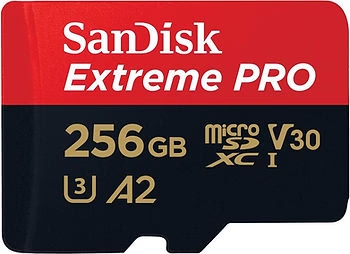
- Safest trusted alternative: SanDisk Extreme 256 GB
The Pocket 4 is exactly the kind of camera that makes people underestimate storage. It looks tiny, but once you start shooting 4K, slow motion, travel B-roll, or long handheld clips, file sizes add up quickly. This guide is built to answer one practical question: which microSD card should you actually buy for the DJI Osmo Pocket 4?
| Card | Best for | Speed class | Best capacity | Why choose it |
|---|---|---|---|---|
| Samsung PRO Plus | Best overall | UHS-I, U3, V30, A2 | 256 GB | Balanced performance, reliability, and price |
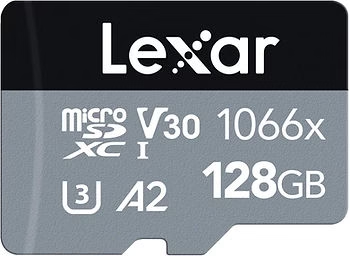
| Lexar Silver Plus 1066x | Best value | UHS-I, U3, V30, A2 | 256 GB | Strong value for regular 4K recording |
| SanDisk Extreme | Best safe brand choice | UHS-I, U3, V30, A2 | 256 GB or 512 GB | Widely trusted and easy to recommend |
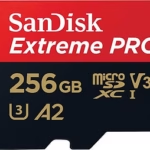
Real microSD cards photographed for this guide
These original photos show cards used as visual references for this guide. They help you identify the microSD format and inspect the label before buying, but they are not Osmo Pocket 4 performance tests. Check the exact model against DJI’s official list, including its V30 rating and capacity.
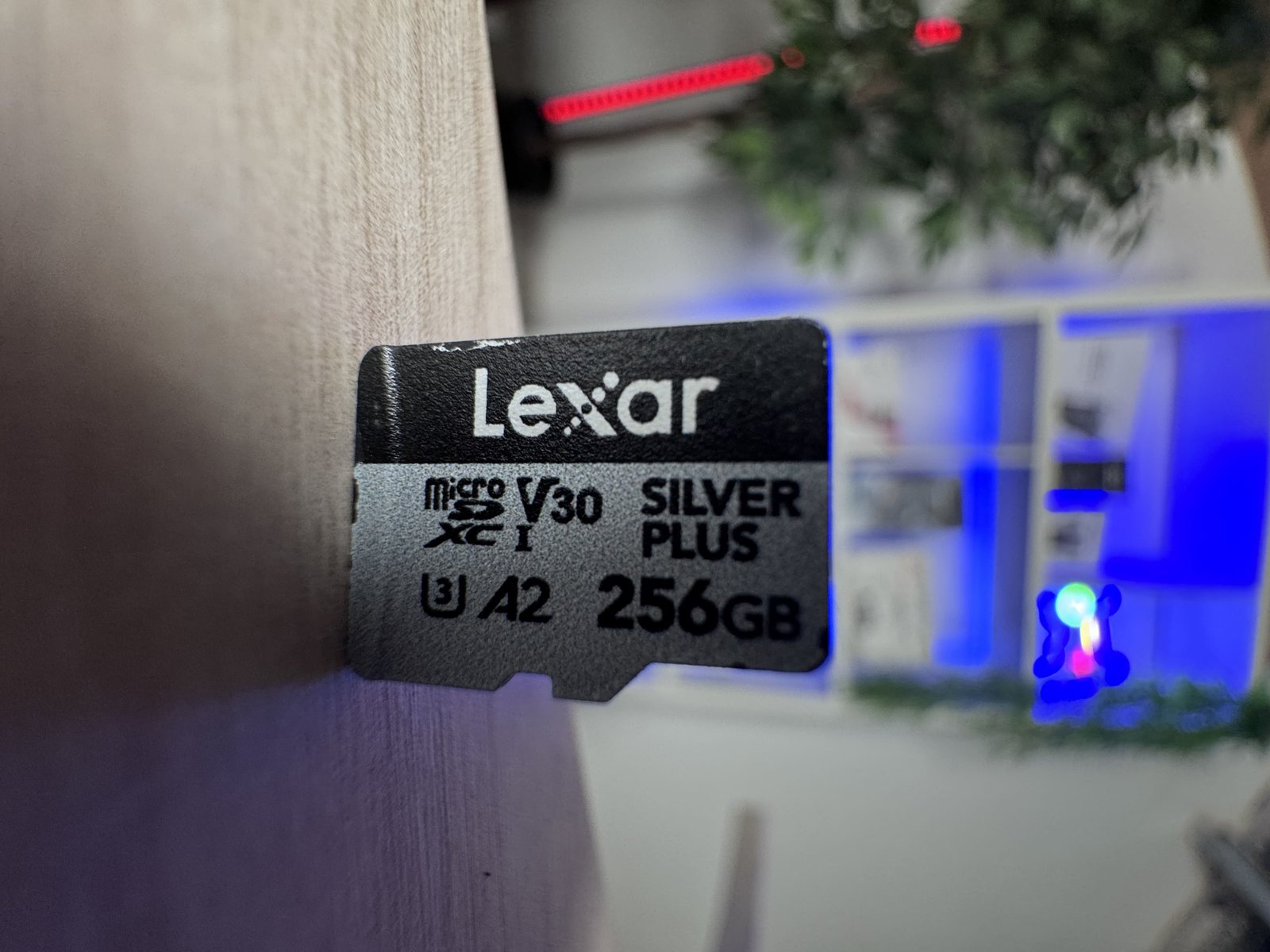

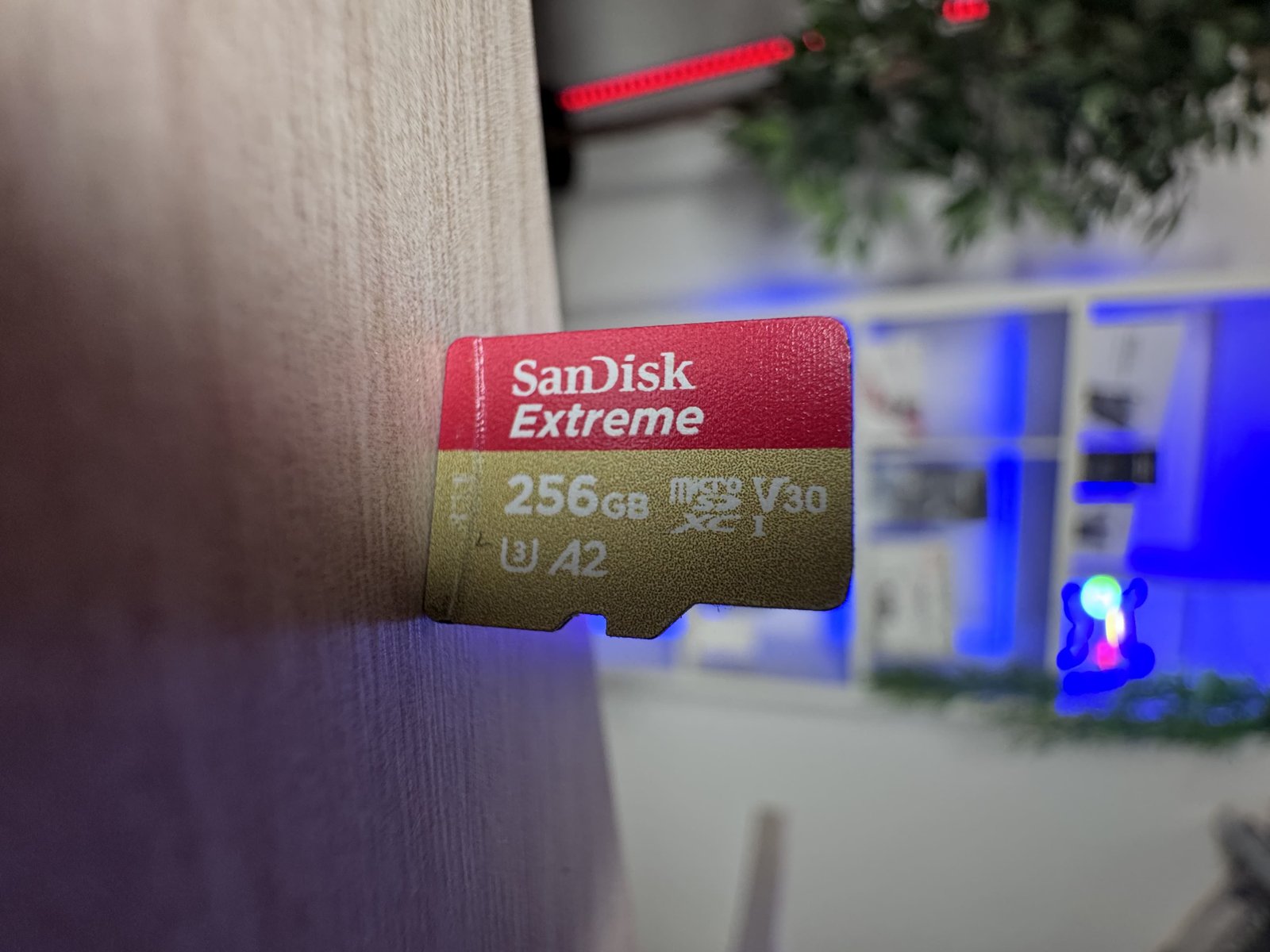
Checked on August 22, 2026: DJI’s official Osmo Pocket 4 specifications state support for microSD cards up to 1 TB and list V30 models such as Lexar Silver Plus. Confirm the precise reference before ordering.

What SD card does the DJI Osmo Pocket 4 need?
The DJI Osmo Pocket 4 is the kind of camera that rewards simple buying decisions. You do not need the most exotic card on the market. You do need a real UHS-I V30 card from a trusted brand. That is what gives you dependable write speed for 4K video and high frame rate clips.
- Card type: microSD
- Bus/interface: UHS-I
- Minimum video class: V30
- Best extra label: A2
If a card is only advertised with vague “high speed” marketing and no clear U3 / V30 label, I would skip it.
Best microSD cards for DJI Osmo Pocket 4
1. Samsung PRO Plus 256 GB — best overall
This is the easiest recommendation for most creators. It is fast enough for demanding Pocket 4 recording, widely available, and usually priced well enough to avoid overthinking the decision.
- Great balance between speed, reliability, and price
- Excellent fit for regular 4K use, travel, and vlogging
- The cleanest “buy this and move on” option
2. Lexar Silver Plus 1066x 256 GB — best value
If you want a strong price/performance choice, this is the one I would look at first. It gives you the spec level the Pocket 4 needs without paying extra just for a logo.
- Strong value for regular creators
- Good fit for everyday 4K shooting
- Best pick when budget matters but reliability still matters more
3. SanDisk Extreme 256 GB — best trusted alternative
SanDisk remains a very easy brand to recommend for cameras like this. If you already trust the brand or want a conservative pick, it is a safe choice.
- Well-known and widely trusted
- Good compatibility profile for compact cameras
- Especially sensible in 256 GB or 512 GB
How much storage do you actually need?
This is where the Pocket 4 is a little different from older action-camera logic. Because it is so easy to carry and use all day, people usually record more clips than expected. That makes capacity a practical decision, not a technical one.
- 128 GB: fine for short sessions, casual use, or frequent file offloading
- 256 GB: best balance for most users and the safest recommendation
- 512 GB: best if you travel, film heavily, or shoot a lot of 4K and slow motion
- 1 TB: only worth it for very heavy use or long trips without offloading
My practical advice: buy 256 GB if you want the best all-round choice, and 512 GB if you already know you hate managing storage.
DJI OSMO POCKET 4
Want the camera too?
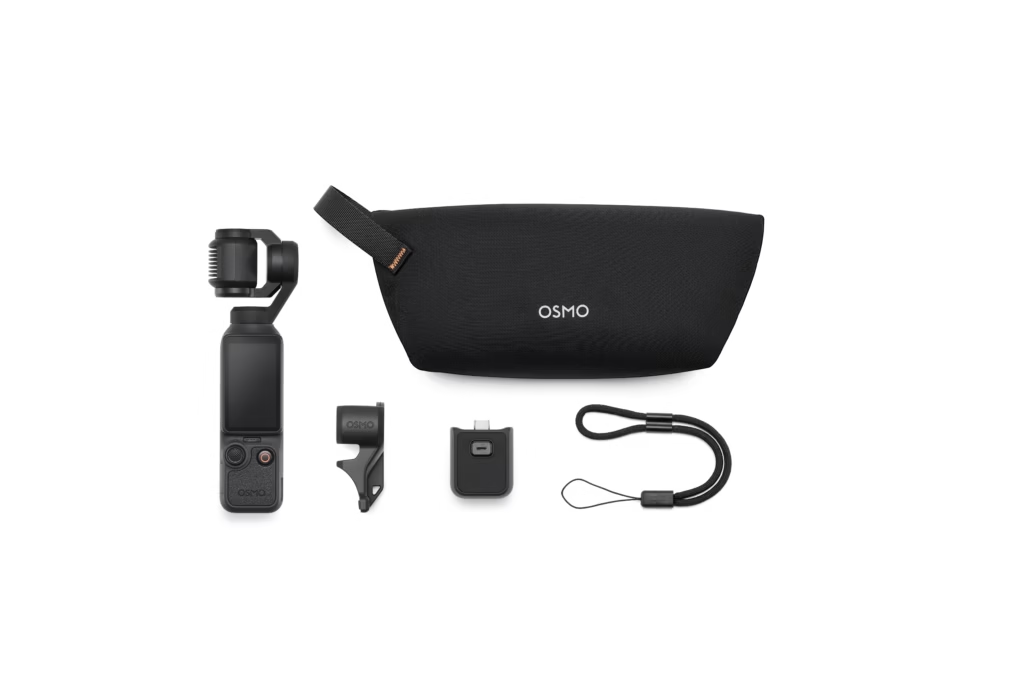
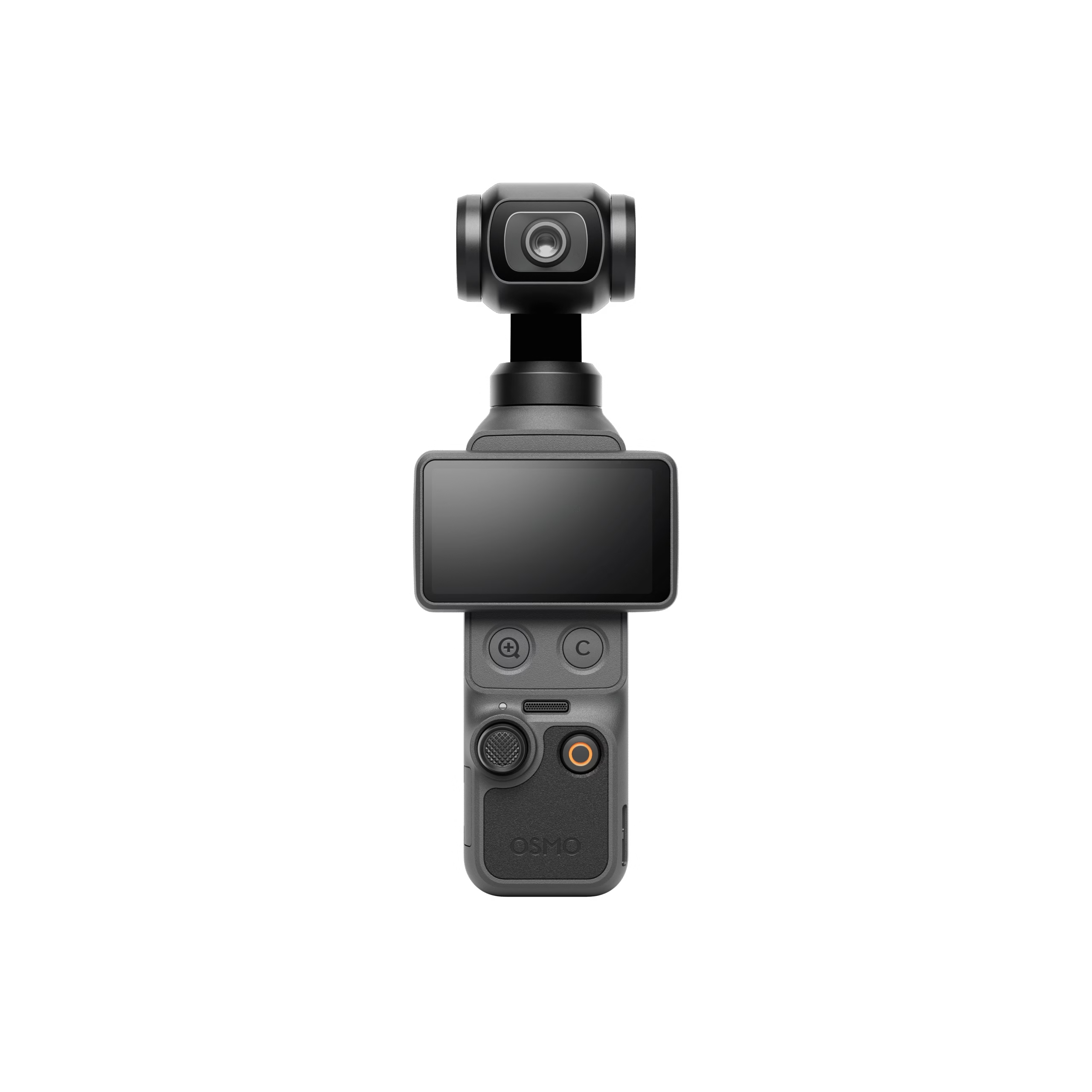
If you are still building your Pocket 4 setup, here is the main product page used in our comparison workflow.
 Discover the DJI Osmo Pocket 4
Cards to avoid
The easiest way to waste money here is buying a card that looks cheap and fast on paper but is not genuinely stable in video use.
- Old U1 cards or cards without a clear V30 label
- No-name marketplace cards with suspicious pricing
- Fake capacity cards
- Heavily used cards recycled from other demanding devices
If your camera freezes, stops recording, or gives you transfer errors, the card is one of the first things to suspect.

Do you still need a microSD card if the Pocket 4 has internal storage?
Technically, internal storage helps. Practically, a proper microSD card still makes the camera much easier to live with. It gives you more room, more flexibility, and less stress once you start filming seriously.
- Longer shooting sessions without constant file management
- Cleaner workflow for travel, vlogging, and client work
- Extra breathing room when internal storage fills faster than expected
Alternative deals
If you want backup buying options, these alternative affiliate links are also available:
Related guides
- Best SD cards for DJI Osmo Pocket 3
- Best SD card for DJI Osmo 360
- Best microSD card for DJI Mini 5 Pro
FAQ
What is the best SD card for DJI Osmo Pocket 4?
For most users, a Samsung PRO Plus 256 GB, Lexar Silver Plus 256 GB, or SanDisk Extreme 256 GB is a safe and compatible choice, as long as it is a genuine UHS-I V30 card.
Is V30 enough for DJI Osmo Pocket 4?
Yes. V30 is the practical minimum you should target for reliable video recording on this camera.
Is 128 GB enough?
It can be enough for light use, but 256 GB is a much better all-round capacity for most Pocket 4 owners.
Should I buy 512 GB?
Yes, if you record a lot, travel often, or do not want to offload files constantly. Otherwise, 256 GB remains the best value point.
Which cards should I avoid?
Avoid fake cards, vague no-name cards, old worn-out cards, and anything without a clearly stated V30 rating.
Conclusion
If you want the simplest recommendation, buy a 256 GB UHS-I V30 microSD card from a trusted brand. For most people, that is all the Pocket 4 really needs.
My ranking is straightforward: Samsung PRO Plus for the best overall balance, Lexar Silver Plus for value, and SanDisk Extreme if you want the most conservative brand-safe choice.