
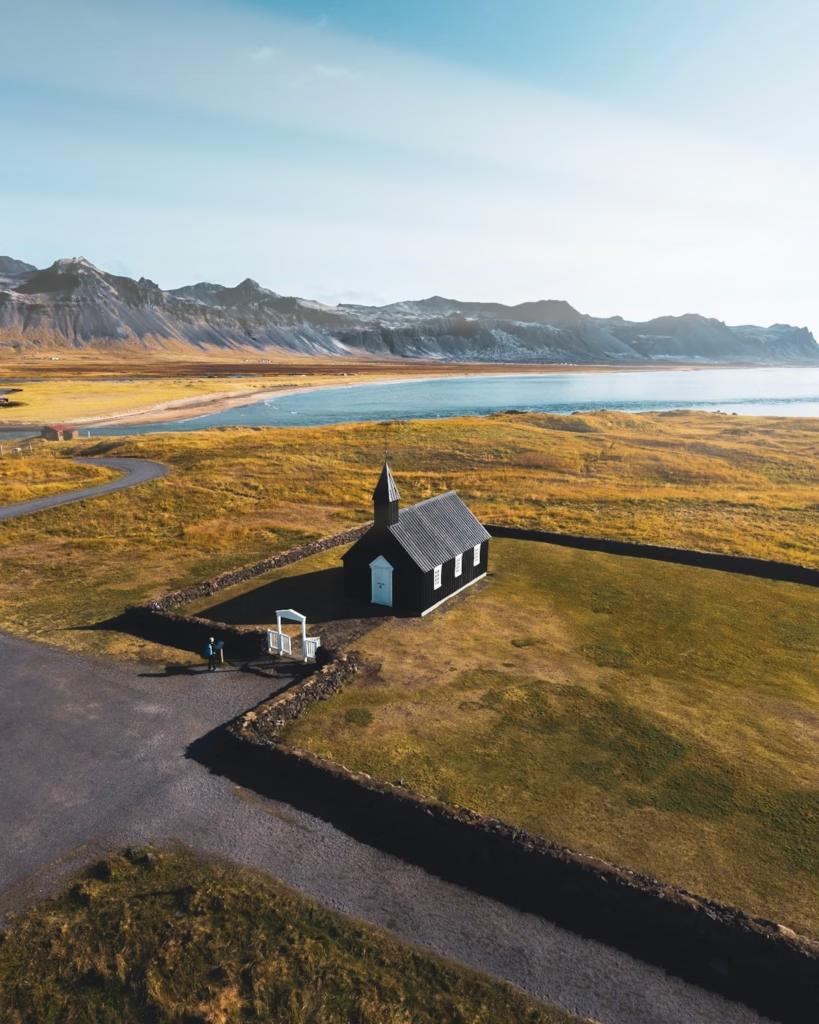
Iceland, with its majestic glaciers, active volcanoes, and Northern Lights, is a dream destination for photographers and videographers. Using a drone to capture these unique landscapes is tempting, but it’s crucial to know and respect the strict regulations in place to protect the island’s fragile environment and ensure everyone’s safety. Icelandic legislation is largely harmonized with that of the European Union Aviation Safety Agency (EASA), making it easier for European travelers to understand.
General Rules to Know
Before taking off with your drone, you must familiarize yourself with the basic rules managed by the Icelandic Transport Authority ( Samgöngustofa ). These rules apply throughout the country, unless otherwise specified by local restrictions.
- Maximum height: The flight must never exceed 120 meters above the ground.
- Visual line of sight (VLOS) flight: You must always keep your drone within direct visual line of sight (VLOS). Do not fly behind obstacles or in clouds.
- Safety distance: Maintain a safe distance from people, animals, and property. Flying over crowds is prohibited.
- Respect for privacy: It is illegal to film or photograph people on their private property without their explicit consent.
- Airports: It is strictly forbidden to fly a drone within 2 km of international airports (such as Keflavík) and within 1.5 km of other airfields.
Specific Restricted Zones in Iceland
This is where Icelandic regulations become particularly important. Due to its sensitive ecosystem and the influx of tourists, many popular areas are subject to strict bans or restrictions.
- National Parks: Flying over Icelandic national parks (Vatnajökull, Þingvellir, Snæfellsjökull) is strictly prohibited without special permission, which is rarely granted for recreational purposes. Clear signs usually indicate these prohibitions at the park entrances.
- Natural sites and tourist attractions: Many famous sites such as Gullfoss waterfall, Seljalandsfoss, Skógafoss, Reynisfjara beach, and Jökulsárlón glacial lagoon have drone flight bans for safety reasons and to preserve the experience for other visitors. Always look for the “No Drones” signs.
- Wildlife protection areas: Disturbing wildlife is prohibited. Avoid flying near cliffs where birds nest (such as puffins) or areas where reindeer herds or seals are present.
- Urban areas: In cities like Reykjavík, Akureyri, and other towns, flying is heavily restricted. Avoid flying over residential areas.
Drone Registration and Categories
In accordance with EASA rules, the requirements depend on the weight of your drone.
- Drones under 250g: If your drone weighs less than 250g and is not equipped with a camera, you do not need to register it. However, if (like most drones in this category) it has a camera, the pilot must register online in their country of residence within the EU/EEA. Flight regulations (no-fly zones, altitude, etc.) still apply!
- Drones over 250g: For any drone over 250g, operator registration is mandatory. The pilot must also pass an online exam (A1/A3 certificate) to demonstrate their knowledge of basic rules. This registration and certification, obtained in any EASA member state, are valid in Iceland.
Your operator number must be clearly displayed on your drone.
Practical Tips for a Safe Flight
Responsible flying is key to enjoying your drone without causing problems. Before each flight, follow these steps:
- Check the weather: The weather in Iceland is unpredictable and changes rapidly. The wind can be extremely strong and dangerous for a drone.
- Respect the signs: Signage at tourist sites takes precedence over general rules. If a sign says “No Drones”, do not fly.
- Consult official sources: Before your departure, check the Samgöngustofa website and drone mapping applications for up-to-date no-fly zones.
- Insurance: Civil liability insurance covering the use of drones is strongly recommended.
In conclusion, while Iceland offers spectacular aerial photography opportunities, it demands a high degree of responsibility from pilots. By strictly adhering to the regulations, you contribute not only to your own safety but also to the protection of Icelandic nature and the peace and quiet of other travelers.




Leave a Reply