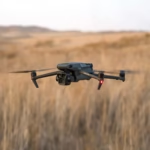
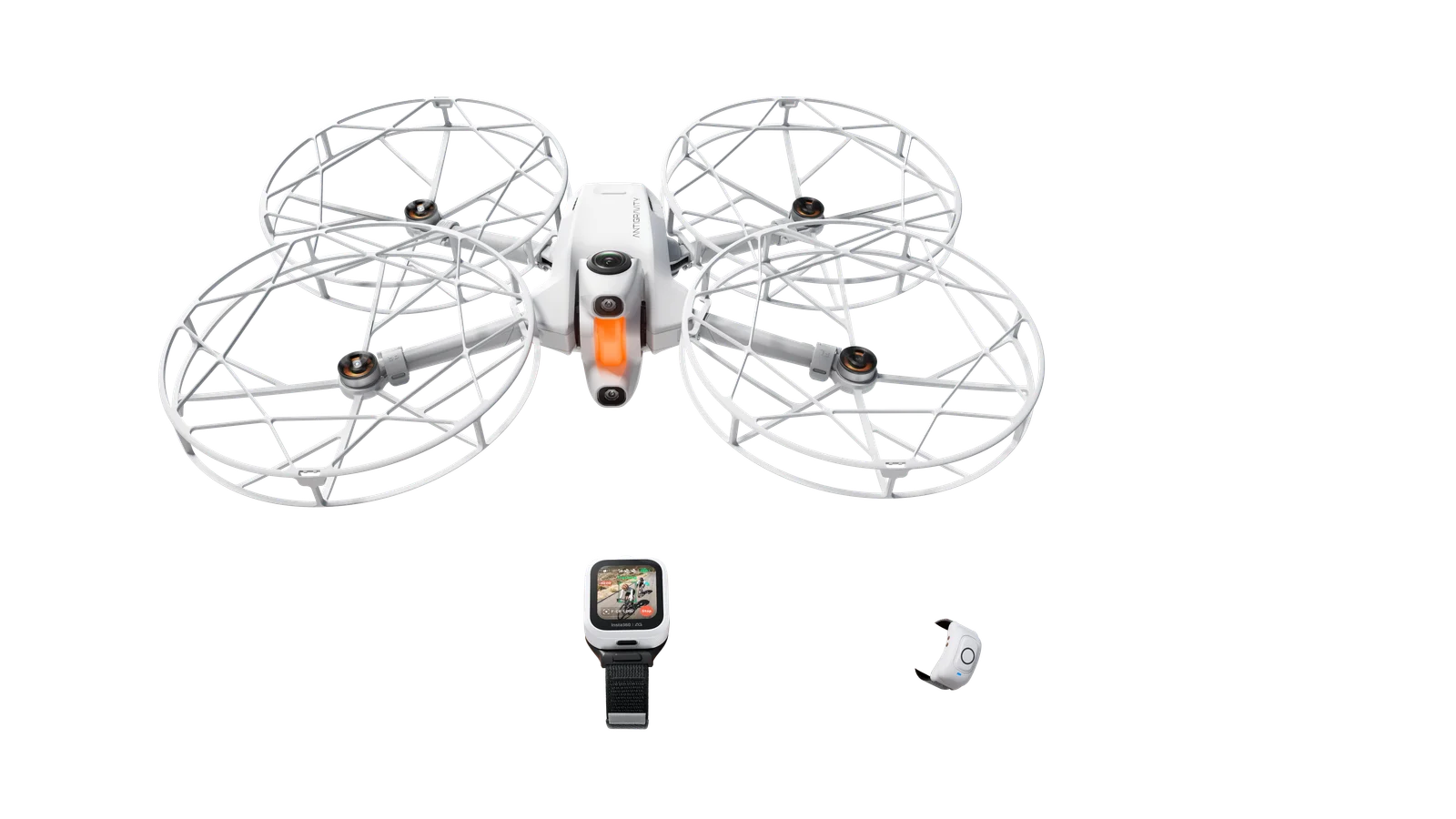
Norway, with its spectacular landscapes of fjords, mountains, and the Northern Lights, is a dream destination for drone pilots. However, before taking off, it’s crucial to understand and comply with the applicable regulations. Although not a member of the European Union, Norway has adopted the European regulations of the EASA (European Union Aviation Safety Agency), harmonizing its rules with those of many other European countries.
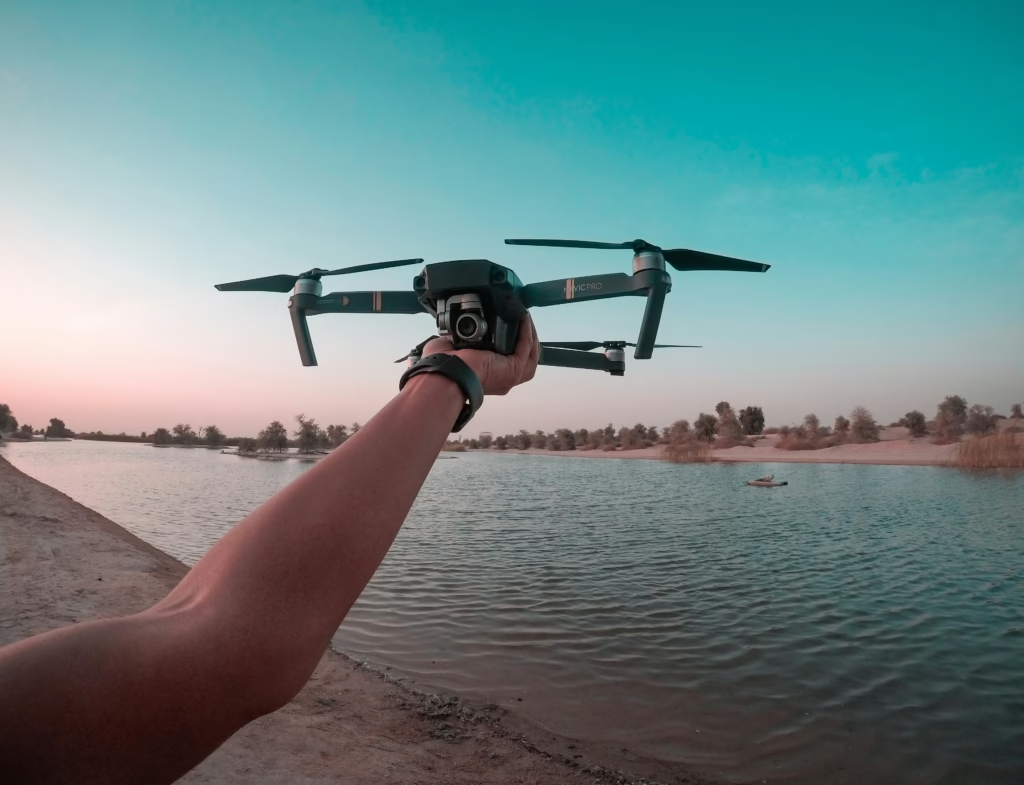
A harmonized European regulatory framework
Norwegian drone legislation is administered by the Norwegian Civil Aviation Authority ( Luftfartstilsynet ). Since January 1, 2021, it has been based on EASA regulations, which classify drone operations into three categories according to risk level: Open, Specific, and Certified . For the majority of amateur pilots and many professionals, the Open category applies.
Operator registration and drone identification
One of the first mandatory steps is registration as a drone operator. This rule applies if your drone:
- Weighs 250 grams or more.
- It is equipped with a camera or sensor capable of recording personal data, regardless of its weight.
Registration is done online on the official Norwegian portal: flydrone.no . Once registered, you will receive a unique operator number which you must visibly display on all drones you use.
Good news for European tourists: if you are already registered as a tour operator in another EASA member country (such as France, Belgium, etc.), your registration is valid in Norway . You do not need to re-register.
General flight rules in the Open category
The Open category is intended for low-risk flights. It is subject to strict but clear rules, which every pilot must absolutely follow:
- Maximum height: Never fly higher than 120 meters above the ground or water.
- Visual line of sight flight: The drone must always remain within the pilot’s direct field of vision (principle of visual line of sight flight, or VLOS ).
- Safety distance: It is forbidden to fly over gatherings of people. The distance to maintain from people not involved depends on your drone’s subcategory (A1, A2, A3). As a general rule, maintain a comfortable safety distance.
- Night flights: Night flights are permitted, provided that the drone is equipped with flashing green navigation lights to be easily spotted.
- Minimum age: The minimum age to fly a drone (except for the lightest ones, considered as toys) is 16 years old.
Restrictions and restricted areas specific to Norway
In addition to the general EASA rules, Norway applies specific geographical restrictions for safety and environmental protection reasons. Pay particular attention to these points:
- Airports: It is forbidden to fly within 5 km of an airport, except with express authorization.
- Military zones: Flying over military installations and operational areas is strictly prohibited.
- National parks and nature reserves: Many national parks and protected areas have flight restrictions, or even a total ban. These rules are designed to protect wildlife and the tranquility of the area. Always check local regulations before planning a flight in these areas.
- Emergency response sites: Never fly near an accident or rescue operation (police, ambulance, firefighters).
- Svalbard: The Svalbard archipelago has its own, much more restrictive regulations. Specific authorization is generally required to fly a drone there.
Insurance and privacy
Liability insurance is mandatory to cover any damage your drone might cause to third parties or property. Make sure your insurance policy is valid in Norway.
Respect for privacy is also a cornerstone of the legislation. It is forbidden to photograph, film, or monitor people or private property without explicit permission. Be discreet and respectful.
Conclusion
Flying a drone in Norway is an unforgettable experience, but one that requires serious preparation. By following European regulations, registering as an operator, and paying close attention to local restricted areas, you can legally and safely capture the breathtaking beauty of this country. The key to success is responsibility: do your research, plan your flights, and always respect safety and nature.